
What the day feels like
The morning opens on Chokoloskee Bay with a hush that feels deliberate — the water glassy enough to read the sky, mangrove silhouettes etched like ink blots against the horizon. A slender powerboat slips away from the wooden docks at Everglades City, and the bay breathes as though reluctant to wake the world; gulls pivot, a school of silver fish flashes, and somewhere distant a dolphin arcs, punctuating the stillness. This is the Ten Thousand Islands at its patient best: a braided maze of bays, backwaters, and barrier isles where the Everglades drains toward the Gulf of Mexico.
Chokoloskee Bay is a place of edges. Salt meets fresh, tidal current meets standing marsh, and each border hums with life. It’s also a place with stories layered into the landscape. The Calusa — the pre-contact shell-midden-making people who ruled these coasts — left traces in midden heaps and oral history still honored by local museums. Decades later, pioneers forged lives on stilt houses and small fleets of skiffs, harvesting shrimp, oysters and the seasonal bounty of the flats. Today the bay is part classroom, part theater: biologist-guides lead naturalist hikes and boat-based wilderness lessons; photographers and birders stake out low-slung islets; anglers string lines where tarpon and snook cruise the channels.
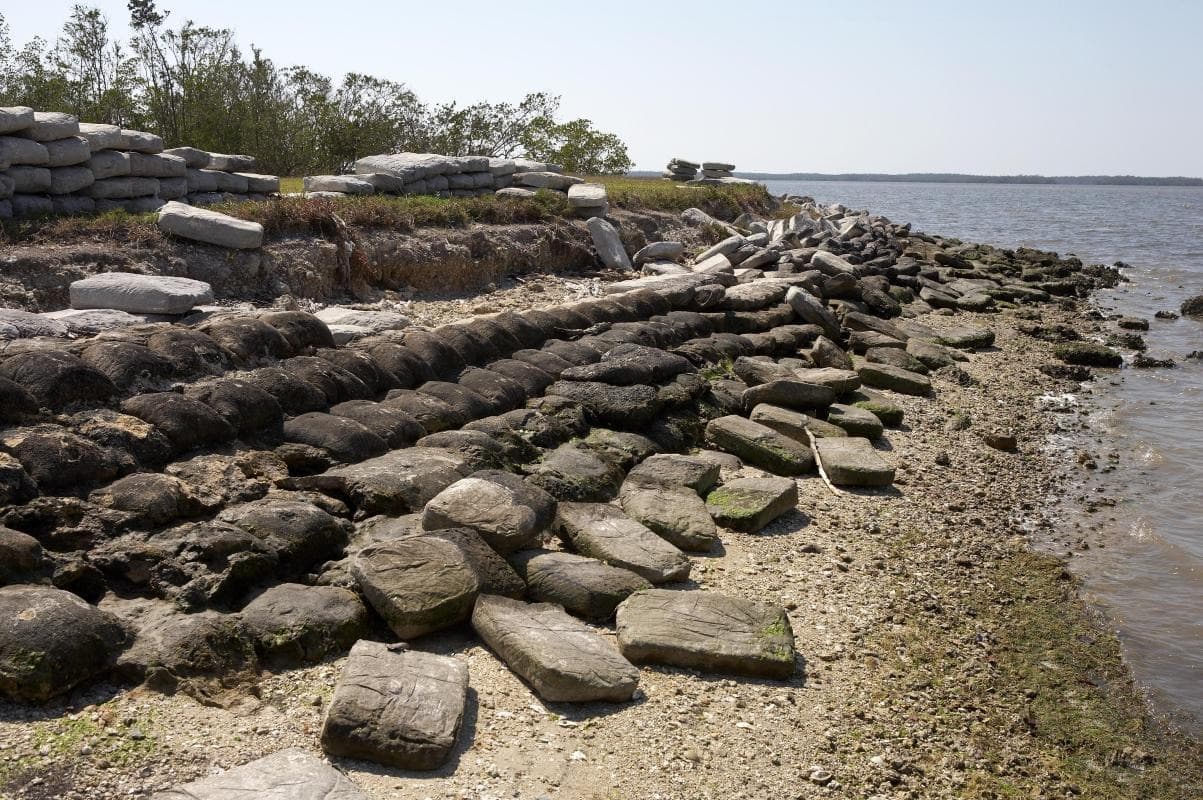
Geologically, the Ten Thousand Islands are a textbook in slow construction. The islands are largely limestone relics capped with sand and mangrove peat, sculpted by sea level change and storms over millennia. The shallow, tannin-stained waters of Chokoloskee Bay feed an estuarine food web that supports manatees, bottlenose dolphins, sea turtles, and scores of migratory and resident birds — rosette spoonbills, herons, egrets, and osprey among them. That biodiversity is palpable: the guide points out a manatee’s back, a gull’s angled shadow, and each sighting feels like a small, privileged revelation.
If you come ready to move slowly and listen, Chokoloskee rewards. The region’s bookable experiences are built around that patience. Naturalist-led routes like the Everglades National Park Naturalist Led Hike, 2 Boat Trips + More combine on-land exploration of mangrove fringes and barrier beaches with shallow-boat transit that peels back the curtain on different habitats. For photographers there’s the Private Everglades 10,000 Islands Photo and Birding Boat Safari — a flat-decked platform and electric trolling motor that lets you position for golden-hour light without spooking the wildlife. If your meter runs on adrenaline and hook sets, the Private Everglades Inshore Fishing Charter in Chokoloskee is the classic bucket-list excursion: bonefish, snook, and redfish patrol the flats where you fish, and local skippers know the tides like second languages.
For travelers who want a fuller sensory education, the Small-Group Everglades Boating Kayaking and Walking Eco Tour is the quiet alternative to the airboat circuit: a shallow-draft boat ferries you to sheltered paddling spots where stable kayaks allow stealthy approaches to wading birds and marsh edges, then drops you on an uninhabited barrier island for a hands-on shelling and beach ecology walk. Guides on these tours are often Florida Master Naturalists or trained biologists — they parse the landscape without flattening its mystery: explaining why mangroves are coastline architects, how tidal exchange powers shrimp cycles, or how a small dune can be a bird’s entire world.
Practicalities matter here. The weather is the boss: summer brings heat, humidity, and frequent afternoon thunderstorms; winter offers the clearest skies and best wildlife-viewing windows. Start early — morning light is kinder to photographers, and wildlife is often more active before midday. Bring reef-safe sunscreen, a wide-brim hat, and a waterproof bag for gear. If you plan to paddle, ask about kayak stability and the tour’s paddling distance; many options are suitable for beginners, but you’ll get more from the trip if you’re comfortable in a cockpit.
Sustainability is woven into reputable operations. Several providers in the area operate with NPS permits for guiding inside Everglades National Park and emphasize low-impact practices: no feeding wildlife, staying on established channels, and minimizing plastic waste. Support these companies; your fees help fund local stewardship and the fragile science that keeps the Everglades whole.
Where to base yourself matters as much as what you pack. Everglades City is the logical hub — a modest town with seafood joints, the Museum of the Everglades, and launch points for most Chokoloskee trips. Overnight options range from basic motels to small waterfront rentals; if you have time, spend an evening on the dock watching the tide and expect the sky to put on one of those soft Floridian sunsets that are absurdly generous in color.
For planning: book morning departures in summer (June–October) and consider private or small-group options if you want a tailored experience. If you’re chasing photography, coordinate pre-sunrise pickups for golden-hour runs. If fishing is your aim, check local regulations and seasons — certain species have size and bag limits, and guides can help you stay within legal and ethical lines.
Chokoloskee Bay isn’t about conquering terrain. It asks you to slow, listen, and follow the water’s logic. Whether you’re slipping a kayak between mangrove prop roots, watching a mother dolphin steer her calf through a channel, or casting across a gin-clear flat as the sun climbs, the bay returns a kind of quiet education: about tides and time, about the lives that depend on clean water, and about what it means to see a place where the Everglades gently hands itself over to the sea.
Trail wisdom
Small choices, better day.
Book morning departures
Morning trips avoid afternoon thunderstorms and offer better light for wildlife and photography.
Bring reef-safe sunscreen
Protect skin and the estuary — conventional sunscreens contain chemicals harmful to marine life.
Choose licensed, permit-holding guides
Look for operators with NPS permits or Florida Master Naturalists to ensure lower-impact, expert trips.
Pack a dry bag and binoculars
A small dry bag protects electronics while binoculars let you study distant birds and dolphins from the boat.
Local knowledge
Read the place, not just the route.
Watch for native species including Bottlenose dolphin, West Indian manatee.
Keep an eye out for wildlife during the transition between areas and habitats. Respect distance guidelines.
Many local outfitters operate under National Park permits and emphasize low-impact touring; supporting these businesses helps fund Everglades restoration and education.
Follow the guide's instructions on size limits, ethical handling, and leave-no-trace practices.
The Smallwood Store historic site near Chokoloskee for local history and antiques. Tidal creeks off the Barron River where spoonbills and roseate terns frequently feed
Locally recommended viewpoints and quiet spots known best to local operators.
The Chokoloskee area was long inhabited by the Calusa people and later became a rugged fishing and boatbuilding community; small museums in Everglades City preserve that maritime heritage.
Maritime roots and regional tradition shape the waterways and working coasts.
Seasonal guide
Four versions of the same landscape.
Spring
Best forbird migration · mild temperatures · shelling on barrier islands
Challengesincreasing heat · occasional storms late season
Spring balances comfortable temperatures with migratory bird arrivals — ideal for birding, beach walks and early-season boat trips.
Summer
Best forwarm water fishing · sea turtle sightings · green-season quiet
Challengeshigh humidity · frequent afternoon thunderstorms · insects
Summer brings prolific marine life but also heat and storms; morning departures are strongly recommended.
Fall
Best forcalmer seas after hurricane season · shrinking crowds · good light for photography
Challengesresidual storm risk early fall · variable water clarity
Fall can offer excellent light and fewer crowds as conditions stabilize post-hurricane season; plan around storm forecasts.
Winter
Best forclear skies · best wildlife viewing · comfortable temps
Challengeshigher visitor volume · cooler nights
Winter (the dry season) is the prime time for clear, cool days and active wildlife — expect busier tour schedules.
Pack with intention
What to bring.
Good to know
Common questions.
No — most public tours supply stable kayaks and basic instruction; private photo or fishing charters accommodate all skill levels.
Plan the edges
The details that make the day easier.
The Ten Thousand Islands name dates to early Spanish charts; though there aren’t literally 10,000 islands, the name reflects the archipelago’s maze-like collection of mangrove islets and sandbars used by the Calusa and later settlers.
Everglades City and Chokoloskee share a seafood-first culture — stone crabs, fresh shrimp and conch feature on local menus, and the Museum of the Everglades and Smallwood Store offer maritime history and community stories.
- Launch base
- Everglades City; Typical trip length: 2–6 hours; Best time: November–April (dry season); Bring: reef-safe sunscreen, water, binoculars, and a dry bag.
Choose guides with NPS permits, use reef-safe sunscreen, avoid single-use plastics and follow ‘leave no trace’ practices on beaches and islands to reduce impact on fragile estuarine habitats.
Explore by topic
Follow the threads.
Keep exploring
Make the story part of the trip.
Set out from Bass Harbor for a private, customizable day on Blue Hill Bay — lighthouses, puffins, seals, and the chance to feel Acadia from the water. Small groups, local captains, unforgettable views.
In four hours you can move from shaded canyon ferns to wind-scoured coastal ridgelines, guided by someone who knows where the light—and the hidden views—live. This private half-day hike on the Monterey Peninsula or Big Sur is compact, curated, and perfect for travelers who want depth without a multiday commitment.
 Related story
Beneath a sky of shifting light, Skaftafell’s ice reads like a map of time. This three-hour guided glacier hike mixes technical instruction with geology and culture: compact, safe, and unforgettable.