
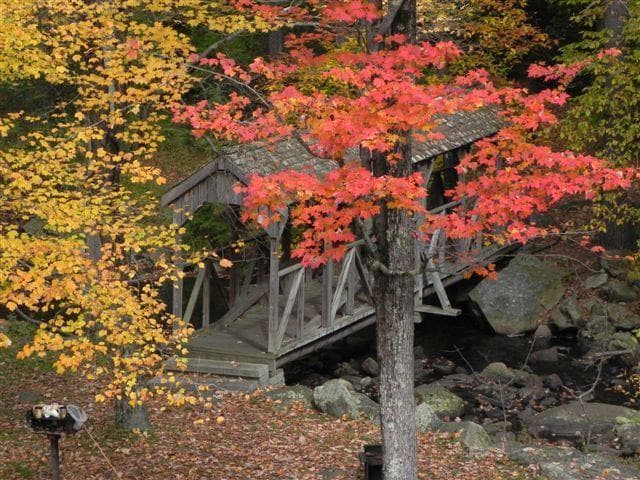
What the day feels like
You slip off the road onto a rutted parking spur and the world immediately recalibrates. The highway’s edge—radio static, commuting ritual—fades behind a stand of white pines. A narrow ribbon of water, Willard Brook itself, threads the forest like a suggestion: bright, urgent, daring you to follow. At your feet, leaves hush with each step; overhead, maples and birches trade light like a slow shutter. This is north‑central Massachusetts at its patient, practiced best: modest in elevation, generous in detail.
Willard Brook State Forest isn’t a marquee destination with a single iconic cliff or a tourist-packed overlook. It’s a stitched landscape of hemlock slopes, beaver ponds and brooks, and a network of mixed-use trails that reward a slower pace. Spread over roughly 2,000 acres of public woodlands north of Boston, the forest offers an accessible slice of New England wilderness—hiking that’s both beginner-friendly and rich enough for repeat visits. Trails range from short, creekside walks to multi‑mile loops that climb gentle ridgelines and thread low wetlands where dragonflies patrol like tiny sentries.
The area’s story is understated but solid. Geologically, the land bears the grooves of the last glaciation, with erratic boulders and kettle depressions on the forest floor; bedrock outcrops peek through thin soils along ridge tops. Culturally, the forest sits on land shaped by timbering, small-scale agriculture, and wilding—New England’s long arc from cleared farmland back to forest. Local towns—Ashburnham, Winchendon and the nearby city of Gardner—grew with textile mills and small industry; today they offer the roadside diners and craft-bakery pit stops that pair perfectly with a long day out.
What draws visitors here is the balance between water and trail. Willard Brook and its tributaries thread the forest, offering seasonally loud cascades and placid pools that attract fishermen and photographers alike. Anglers cast for brook trout and sunfish in shaded pools; birders come for spring migrants and the acoustic drama of woodpeckers and thrushes. In winter, the woods quiet into a different kind of motion: snowshoeing and cross‑country skiing across packed snow offer a rhythmic, hypnotic experience.
Getting out onto the trails is simple but satisfying. Expect an intimate, rooty tread in places and open, loamy walking in others. The main loop trails total roughly 6 miles if you stitch together the brookside paths and a ridgeline return; longer outings of 10–15 miles are possible by connecting secondary tracks. Elevation changes are modest—most climbs top out in the 300–600 foot range—but the occasional ledge gives worthwhile views across the forest canopy and down to the ribbon of brook.
Practical elements matter here because part of the pleasure is the solitude you can sustain with just a little preparation. Footwear that can handle slick rock and muddy sections will do more for your comfort than lightweight sneakers. Bring layers—temperatures under the pines can be four to six degrees cooler than open fields—and treat water crossings with respect: in spring runoff the brook swells and bridges can be slick. If you’re fishing, carry a current license and practice catch-and-release in smaller pools to keep fish populations healthy.
For families and casual hikers, short loops around the ponds make half‑day adventures with picnic spots and safe, shallow water edges for kids to explore. For repeat visitors, chase the subtle seasonal shifts: liverworts and amphibians in early spring, dense understory berries in July, and a pure, crisp color show in October when maples flare. Winter visits reveal a skeleton of the forest—exposed boulders, animal tracks mapped across fresh snow, the brook’s channel singing in thin voice beneath crusted ice.
Be mindful of etiquette and conservation. This is a multi‑use forest—mountain bikers, hikers, and seasonal cross‑country skiers share routes—so keep right, announce passes, and respect posted closures. Leave No Trace matters here because the forest’s ecosystems are compact; a single illegal fire ring or dispersed campsite can disturb a fragile bog or nesting area.
Where to end the day: head into Ashburnham or Gardner for a warming meal—diner plates, bakeries and a handful of hometown pubs anchor local hospitality. The modest infrastructure is part of the charm; the forest’s remoteness is measured not in miles from Boston (about an hour and a half by car) but in the degree to which it asks you to slow down.
If you’re planning a visit, treat Willard Brook as a place of temperate discovery: it’s a forest that reveals itself by degrees, a brook that invites you to follow without demanding grand exertion. Bring curiosity, prepare for variable footing, and leave time in your itinerary to stop and listen—the brook has a lot to say.
Quick practical routes to try: a 3‑ to 4‑mile brookside loop for a morning outing; a 6‑ to 8‑mile ridgeline and brook circuit to build in moderate climbs; or a winter snowshoe route of 2–5 miles along packed trails. Whatever you choose, keep the rhythm deliberate and your expectations honest: Willard Brook rewards attention more than ambition.
Trail wisdom
Small choices, better day.
Start early for solitude
Arrive before midday on weekends to secure parking and enjoy quiet trails; morning light on the brook is best for photos.
Expect variable trail surfaces
Trails alternate between packed dirt, rooty sections and occasional rock; wear grippy hiking shoes or trail runners.
Respect multiuse etiquette
Yield to hikers when biking, announce passes clearly and keep dogs leashed near ponds and parking areas.
Plan for water crossings in spring
Spring runoff can swell the brook—use trekking poles and wear quick-dry socks or be prepared to ford small sections.
Local knowledge
Read the place, not just the route.
Watch for native species including white‑tailed deer, belted kingfisher.
Keep an eye out for wildlife during the transition between areas and habitats. Respect distance guidelines.
The forest is managed for mixed recreation and habitat protection—practice Leave No Trace, respect posted closures and avoid moving firewood to prevent pests like emerald ash borer.
Follow the guide's instructions on size limits, ethical handling, and leave-no-trace practices.
A shallow pool off a secondary trail where the brook slows and trout often hold in summer. A modest rocky ledge on a north ridge that offers framed views across maple canopy in fall
Locally recommended viewpoints and quiet spots known best to local operators.
Willard Brook State Forest preserves land that was once a patchwork of farms and small industrial operations; reforestation in the 20th century returned much of the area to forest.
Maritime roots and regional tradition shape the waterways and working coasts.
Seasonal guide
Four versions of the same landscape.
Spring
Best forwildflower blooms · trout fishing · bird migration
Challengesmuddy trails · high water levels · black flies and mosquitoes
Spring brings swollen brooks and a flush of life—great for birding and early wildflowers, but expect mud, bugs, and occasional unfordable stream crossings.
Summer
Best forswimming at shallow pools · family hikes · photography of lush forests
Challengesticks and insects · limited shade on sunny ridges · dehydration risk on longer outings
Warm, green and full of life; summer is ideal for long days and waterside breaks—carry insect protection and extra water.
Fall
Best forfall foliage · cool, stable hiking weather · photography
Challengesshortening daylight · leaf‑covered roots · early frosts
Peak season for color and crisp air—trails are beautiful but watch for wet, leaf‑slick sections and plan around shorter daylight hours.
Winter
Best forsnowshoeing · cross-country skiing · wildlife tracking
Challengescold temperatures · icy patches · limited services
A quiet, stripped-down landscape perfect for snow sports and tracking—use proper winter traction and check conditions before heading out.
Pack with intention
What to bring.
Good to know
Common questions.
No general entrance fee; parking is typically free at trailheads, but check local town notices for seasonal restrictions.
Plan the edges
The details that make the day easier.
Willard Brook State Forest protects roughly 2,000 acres of contiguous forest and waterways in north‑central Massachusetts, offering a rare stretch of accessible riparian habitat within driving distance of Boston.
After a day on the trails, stop in Ashburnham or Gardner for fried‑egg breakfasts, bakery breads and locally brewed coffee; small town diners and bakeries are where locals trade trail notes and the day’s weather.
Practice Leave No Trace, avoid creating new trails or campsites, and follow local rules on wood collection and fishing—keeping the forest healthy depends on low‑impact use.
Explore by topic
Follow the threads.
Keep exploring
Make the story part of the trip.
Set out from Bass Harbor for a private, customizable day on Blue Hill Bay — lighthouses, puffins, seals, and the chance to feel Acadia from the water. Small groups, local captains, unforgettable views.
In four hours you can move from shaded canyon ferns to wind-scoured coastal ridgelines, guided by someone who knows where the light—and the hidden views—live. This private half-day hike on the Monterey Peninsula or Big Sur is compact, curated, and perfect for travelers who want depth without a multiday commitment.
 Related story
Beneath a sky of shifting light, Skaftafell’s ice reads like a map of time. This three-hour guided glacier hike mixes technical instruction with geology and culture: compact, safe, and unforgettable.