
What the day feels like
You step off the shuttle with the salt air still clinging to your jacket and the cruise ship shrinking behind the spruce line. The road ahead is a ribbon of bone-dry logging gravel that threads through old growth and muskeg; a gull calls once, and then the forest takes over. Within an hour you are no longer a visitor to a port but a small, human presence moving through a landscape where other lives—salmon, otter, eagle, and the hulking brown bear—move on their own terms. This is Chichagof Island in miniature: raw, patient, and indifferent to the timetables of tourism.
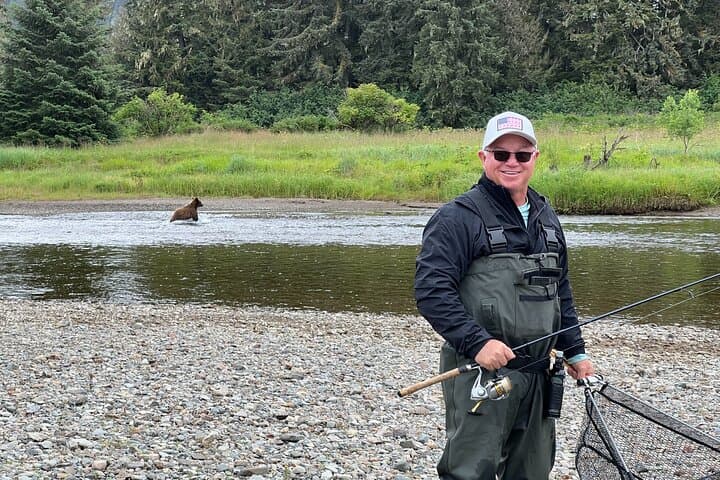
The trip advertised as River Fishing and Bear Watching is deceptively simple on paper: a four-hour excursion leaving Icy Strait Point, a short drive through the Tlingit village of Hoonah, and a turn onto old logging roads that end at a remote river. In practice it’s choreography with nature. You’ll set up on a gravel bar, cast into runs that flush with silver in late summer, and watch the shoreline for the telltale hulks that appear as shadows at water’s edge. The island chain that includes Chichagof, Admiralty, and Baranof is responsible for some of the highest densities of brown bears in North America, and the animals here behave like creatures who have known this place for millennia.
There’s a geological honesty to the place—the river carved into glacial till, the valley shaped by ice and tide, and the surrounding forest of Sitka spruce and hemlock that has reclaimed logging clearings. The salmon run is the ecosystem’s engine; pinks, chum, coho, and king salmon return on a schedule timed by water temperature and daylight. Where salmon gather, bears follow, and where both occur, eagles and wolves take notice. The indigenous Tlingit people of Hoonah have lived with these cycles for centuries; their village is part of the modern route to the river, and local guides often share quiet context about seasonal harvests and the importance of seeing the landscape as a set of relationships rather than scenery.
Practical matters are tidy but essential. The excursion is designed for cruise passengers and runs roughly four hours, with a manual confirmation and a price point reflecting the remote logistics. You’ll travel by vehicle along gravel roads, then work the bank—this is shore-based fishing, not a boat trip—so stable boots and a steady hand help. Guides are hyperattentive about bear safety: maintaining distance, using natural vantage points, and carrying bear spray where appropriate. They also double as interpreters of what you’re seeing—pointing out subtle signs of bear activity, reading water seams where salmon pause, and knowing when the show is over and it’s time to withdraw.
If you want a fuller preview or to book through a local specialist, the trip is profiled in detail by regional experts at <a href='https://app.advcollective.com/local-experts/river-fishing-and-bear-watching-icy-strait-point-salmon-brown-bears'>River Fishing and Bear Watching — Icy Strait Point</a>. The page collects logistics, seasonal windows, and tips that make the most of the short time you’ll have onshore.
Why go? Because this is a rare, condensed encounter with wild Alaskan rhythms. You watch salmon flame silver in current seams and then see a bear materialize in the willows—a study in patient movement and intention. The experience is not adrenaline-first; it is observational, tactile (the river’s spray, the smell of silt and spruce), and quietly awe-inspiring. For anglers, the chance to cast at an active run with local guidance is a notch above a typical port activity: you may get a fish, you will learn about the run, and you’ll be part of a wild cycle rather than a spectator attraction.
Timing matters. Peak bear-viewing and salmon runs overlap with summer cruise season—June through September—so the light is long and the window for seeing both is widest. Guides manage group size and position to minimize disturbance; respect for wildlife is built into the itinerary. Bring patience, low expectations of constant sightings, and a readiness to soften your schedule to the pace of the river.
On the practical side: wear layers, bring a waterproof shell, and choose boots that can handle slick gravel. Camera gear should include a telephoto (200–400mm is ideal) and a polarizer to tame river glare. If you’re claustrophobic about crowds, ask about small-group departures—this tour is designed with a limited footprint so both wildlife and guests have room to move.
This trip is the kind of short, focused excursion that transforms a port day into a lasting memory. It reminds you that Alaska’s appeal isn’t only vastness and empty horizon; it’s the compressed intimacy of a river where life rushes and waits, where brown bears make a living with deliberate motion, and where a local guide can help you read a landscape like a book. If you leave with a fish, a photo, and a story of a bear on the far bank, you’ll have taken home a good measure of why people return to these islands year after year.
Trail wisdom
Small choices, better day.
Layer for variable weather
Temperatures and wind shift quickly near the river—wear moisture-wicking base layers, an insulating midlayer, and a waterproof shell.
Bring a telephoto lens
Bears and river action are best photographed from a distance—200–400mm gives good framing without disturbing wildlife.
Listen to your guide
Guides know the animals’ behavior and will direct safe viewing positions—follow instructions promptly.
Use steady footwear
Gravel bars and riverbanks can be slick—wear hiking boots with good traction and ankle support.
Local knowledge
Read the place, not just the route.
Watch for native species including Brown bear (Ursus arctos), Bald eagle.
Keep an eye out for wildlife during the transition between areas and habitats. Respect distance guidelines.
Local operators follow guidelines to minimize wildlife disturbance—keep distance, avoid sudden movements, and never feed wildlife to preserve natural behaviors.
Follow the guide's instructions on size limits, ethical handling, and leave-no-trace practices.
A short walk from the river mouth to a spruce high point for panoramic bay views. A low-tide spit where shorebirds congregate—best seen at dawn or dusk
Locally recommended viewpoints and quiet spots known best to local operators.
Hoonah is a Tlingit village with centuries of connection to marine and riverine resources; the community’s seasonal rhythms historically centered on salmon harvests.
Maritime roots and regional tradition shape the waterways and working coasts.
Seasonal guide
Four versions of the same landscape.
Spring
Best forEarly-season scenery · Migratory songbirds · Watching river levels rise
ChallengesCold water temperatures · Unpredictable meltwater flows
Spring brings high water from snowmelt and early migratory birds; fishing can be sporadic and bears are less active on the beaches.
Summer
Best forPeak salmon runs · Reliable bear sightings · Long daylight hours
ChallengesCruise-ship crowds at port · Fluctuating weather
Summer—June through August—is the primary season for salmon and bear viewing, offering the most consistent wildlife activity and the best odds of landing a fish.
Fall
Best forLate salmon runs · Moody light and fewer crowds · Greater chance of large bears feeding heavily
ChallengesCooling temperatures · Shorter days
Early fall concentrates salmon in shallow streams and can provide dramatic bear behavior as animals fatten for winter.
Winter
Best forQuiet coastal scenery · Off-season perspective
ChallengesMost tours unavailable · Limited daylight and harsher weather
Winter is generally outside the operational season for this excursion; the landscape is dramatic but access and services are limited.
Operator details
What the booking data adds.
Included
- ✓Private transportation
- ✓Fishing gear and waders.
Not included
- —Fishing license
Good to know
- ✓Service animals allowed
- ✓Public transportation options are available nearby
- ✓Not recommended for travelers with spinal injuries
- ✓Not recommended for travelers with poor cardiovascular health
- ✓Travelers should have a high level of physical fitness
- ✓Maximum weight: 230lbs
- ✓If you have a BMI of 40 or higher, do not consider yourself physically fit, or if you have limited mobility, do not sign up for this trip.
- ✓Start/end times coordinated based on your ship's port schedule.
Pack with intention
What to bring.
Good to know
Common questions.
No—this shore-based trip is suitable for beginners; guides provide basic instruction and help with gear and casting.
Plan the edges
The details that make the day easier.
The ABC islands (Admiralty, Baranof and Chichagof) hold some of the highest densities of brown bears in North America, making this region one of the best places to observe natural bear behavior.
After the excursion, return to Hoonah to sample fresh-caught salmon or halibut at local eateries and to learn about Tlingit culture—look for community-run cultural centers and local craft sellers near the harbor.
- Closest airport
- Hoonah Seaplane Base or Juneau International (JNU) for regional connections; Driving distance from Hoonah to Icy Strait Point: ~10–20 minutes; Cell service: patchy to none at river sites; Permits: none for visitors, but adhere to local wildlife viewing regulations
This area’s wildlife depends on undisturbed river corridors—pack out all trash, stay on established approaches, and follow guide instructions to minimize human impact.
Explore by topic
Follow the threads.
Keep exploring
Make the story part of the trip.
Set out from Bass Harbor for a private, customizable day on Blue Hill Bay — lighthouses, puffins, seals, and the chance to feel Acadia from the water. Small groups, local captains, unforgettable views.
In four hours you can move from shaded canyon ferns to wind-scoured coastal ridgelines, guided by someone who knows where the light—and the hidden views—live. This private half-day hike on the Monterey Peninsula or Big Sur is compact, curated, and perfect for travelers who want depth without a multiday commitment.
 Related story
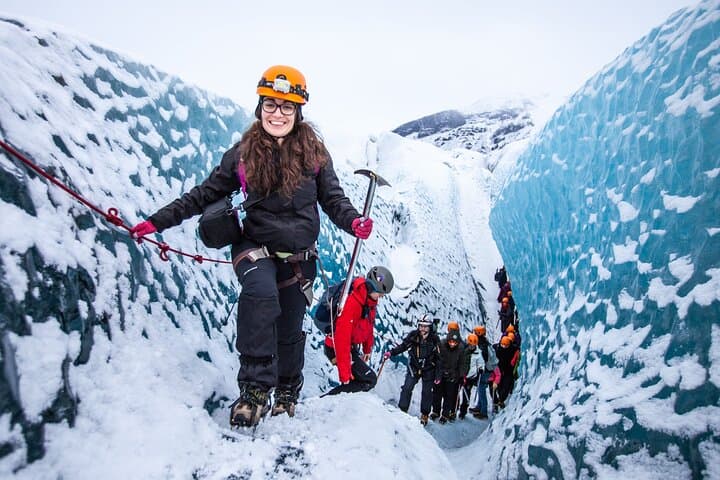
Beneath a sky of shifting light, Skaftafell’s ice reads like a map of time. This three-hour guided glacier hike mixes technical instruction with geology and culture: compact, safe, and unforgettable.