
What the day feels like
You step off the small skiff and the world shrinks to a corridor of trunks and water. The air smells of salt and green rot—sharp and alive—and every sound is filtered through a lattice of branches: the chirp of tiny warblers, the hollow tap of a kingfisher, the distant complaint of a cooler ocean. This is Estero Del Yugo Nature Preserve, a narrow estuary that threads into the southern edge of Mazatlán, where Pacific tides negotiate with mangrove roots and mudflats to create one of Sinaloa’s richest wildlife rooms.
A short drive from the high-rises and surf breaks of Mazatlán’s Zona Dorada, the estero feels like a different country. The lagoon is low and patient in the morning, glassy between trunks that look impossibly knotted—red, black and white mangroves—each species carving its own niche in salt and silt. It’s a place that rewards slow travel: a kayak put-in at dawn, a quiet boat guided by a local naturalist, or simply a walk along a raised path watching shorebirds feed like punctuation marks along the mud.
The preserve sits on a hinge of natural history and human use. Geologically, it’s a coastal lagoon fed by small seasonal streams and tidal exchange with the Pacific; over millennia sediments deposited by rivers created the flat, shallow basin that mangroves colonized. Culturally, mangrove estuaries like Estero Del Yugo have long supported local fisheries—nurseries for shrimp and small fish—and the nearby fishing communities have a deep, practical relationship with the place. Conservation efforts in recent decades have sought to protect this fragile interface from development, recognizing that the estero buffers the coastline, sequesters carbon and hosts migratory birds that travel thousands of miles.
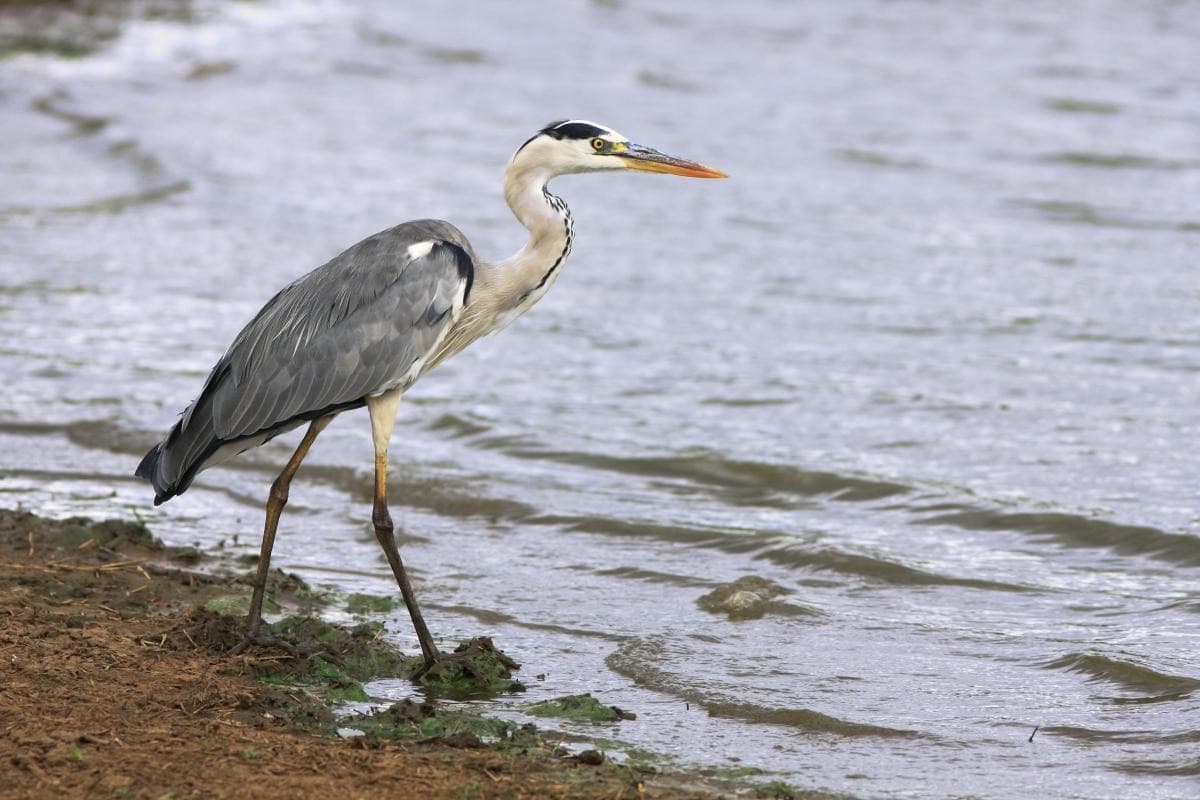
Wildlife here reads like a compact field guide: great blue herons and snowy egrets stalk the channel edges, roseate spoonbills sweep their bills through shallow water, and brown pelicans loaf above the inlet before diving. In migration seasons the estero bulks up: sandpipers and godwits appear in roving flocks; frigatebirds and terns patrol the mouth. For birders, it’s a high-return, low-effort site. For paddlers, the maze of narrow channels is a tactile playground—tidal rhythms become a navigational language, and the tide can either invite you inward or hurry your exit.
But Estero Del Yugo is not purely a postcard. The tide’s generosity can turn to caution: exposed mud can trap unwary feet, insects like mosquitoes and sandflies intensify near dusk, and sun exposure on small boats is brutal without shade. Local guides offer not just orientation but context—the best tidal windows, where the mangrove roots are most vivid, and where the fishing families still mend nets. Hiring a guide is both safer and a meaningful way to funnel visitor dollars to local stewards.
Practicalities for planners: most visitor experiences are short—two to four hours for a guided boat trip or kayak loop—and accessible year-round, but the dry winter months (November to April) provide the clearest conditions for birding and photography. A typical route threads the outer lagoon, moving slowly past mangrove stands and across the mudflats at low tide. Expect flat water interrupted by narrow root-choked passages; kayaks are ideal for tight channels while small open skiffs handle the broader lagoon mouth.
Gear is simple but targeted: a good pair of binoculars and a camera with a telephoto lens make the birds readable; lightweight, quick-dry clothing and sun protection are essential; waterproof footwear or sandals with grip will save you from slippery boardwalks and creek banks. Hydration and bite protection are practical musts—bring a small first-aid kit and stick to shaded rest stops if available. If you’re paddling, check tide charts and ask about currents and winds—the estuary responds to storms and Pacific swells, and afternoons can get choppy.
For photographers, the light is exceptional at golden hour when the low sun slants through the mangrove canopy and backlights the water with a tough, metallic sheen. For families, the estero offers a safe introduction to coastal ecology—children tend to be fascinated by fiddler crabs skittering through mud and by the theatrical profiles of shorebirds. For travelers chasing quieter, off-the-beaten-path nature near Mazatlán, a morning in Estero Del Yugo feels like a concentrated, restorative wilderness break without the travel logistics of a multiday trip.
Visiting responsibly matters here. Mangroves are fragile and slow to recover from trampling; stay on established channels and routes, avoid throwing food to birds, and if you hire a boat, choose an operator that respects low-speed zones and uses clean engines. Local conservation groups occasionally run restoration and volunteer days—timing a visit to coincide with one is a meaningful way to extend your impact beyond a single day trip.
End your visit with a meal in town: fresh ceviche or grilled fish prepared by local vendors tastes like the estuary—clean, saline, essential. The contrast between the quiet of the lagoon and the bustle of Mazatlán’s malecón is a reminder of how the city and the estero are inextricably linked: one depends on the other for food, culture and coastal protection.
Estero Del Yugo doesn’t demand a long itinerary to reward you—what it asks for is attention. Move slowly, listen closely, and you’ll come away with more than photographs: a sense of how water shapes life on the coast, and how a thin fringe of trees can hold a disproportionate amount of biodiversity, tradition and value.
Trail wisdom
Small choices, better day.
Visit at low light
Morning and late afternoon provide the best light for birdwatching and photography and cooler conditions for paddling.
Check tide times
Tidal range affects which channels are navigable—plan launches around mid to high tide for easier access.
Bring bug protection
Mosquitoes and sandflies increase toward dusk—use DEET or picaridin and wear long sleeves if sensitive.
Hire a local guide
Guides provide local knowledge on wildlife hotspots, tides and help support conservation-minded stewardship.
Local knowledge
Read the place, not just the route.
Watch for native species including brown pelican, great blue heron.
Keep an eye out for wildlife during the transition between areas and habitats. Respect distance guidelines.
Mangrove preservation is central—restoration projects and regulated boat traffic help reduce erosion and protect nursery habitat.
Follow the guide's instructions on size limits, ethical handling, and leave-no-trace practices.
A narrow western channel that concentrates shorebirds at low tide. A nearby fishermen’s cove where you can watch net-mending and buy fresh catches
Locally recommended viewpoints and quiet spots known best to local operators.
Local fishing communities have used the estuary for generations; recent protection efforts aim to balance traditional livelihoods with habitat conservation.
Maritime roots and regional tradition shape the waterways and working coasts.
Seasonal guide
Four versions of the same landscape.
Spring
Best forspring migration birdwatching · comfortable daytime temperatures · kayaking low to moderate water levels
Challengesintermittent rains late in season · increased insect activity
Spring brings migratory shorebirds through the estuary and generally mild weather—expect busy mornings for birds and rising insect activity by evening.
Summer
Best forlush mangrove foliage · warm water paddling · juvenile fish and invertebrate observations
Challengesheavy rains and possible tropical storms · high heat and humidity
Summer is hot and wet; the estuary is lush and vibrant, but storms and high humidity can shorten outings—check weather forecasts.
Fall
Best forpost-monsoon clarity · shorebird passage · calmer seas for boat trips
Challengesvariable winds · residual high water in early fall
Fall often provides clear air and active birdlife after the rains, though tides and winds can be unpredictable during seasonal transitions.
Winter
Best forpeak migratory bird populations · dry conditions and clear skies · easier access to mudflats
Challengescooler mornings · larger tourist numbers on good days
Winter is arguably the clearest season for birding and photography with driest conditions—pack layers for cool mornings on the water.
Pack with intention
What to bring.
Good to know
Common questions.
The estero is a short drive from central Mazatlán; many visitors take a taxi to a nearby launch point or arrange pickup through local tour operators.
Plan the edges
The details that make the day easier.
Estero Del Yugo is one of the remaining mangrove estuaries along the Sinaloa coast and serves as important nursery habitat for commercially valuable fish and shrimp species.
Pair your estuary trip with Mazatlán’s seafood—try ceviche tostadas or grilled fish at a local palapa to taste the coastal connection between sea and community.
- Access
- 15–30 minute drive from Mazatlán; Duration: half-day trips common; Cost: free to enter, guided tours vary; Best time: dawn; Permits: no formal permits for visitors but support local guides.
Choose low-impact operators, avoid plastic waste, and respect no-landing zones—support mangrove restoration efforts when possible.
Explore by topic
Follow the threads.
Keep exploring
Make the story part of the trip.
Set out from Bass Harbor for a private, customizable day on Blue Hill Bay — lighthouses, puffins, seals, and the chance to feel Acadia from the water. Small groups, local captains, unforgettable views.
In four hours you can move from shaded canyon ferns to wind-scoured coastal ridgelines, guided by someone who knows where the light—and the hidden views—live. This private half-day hike on the Monterey Peninsula or Big Sur is compact, curated, and perfect for travelers who want depth without a multiday commitment.
 Related story
Beneath a sky of shifting light, Skaftafell’s ice reads like a map of time. This three-hour guided glacier hike mixes technical instruction with geology and culture: compact, safe, and unforgettable.