
What the day feels like
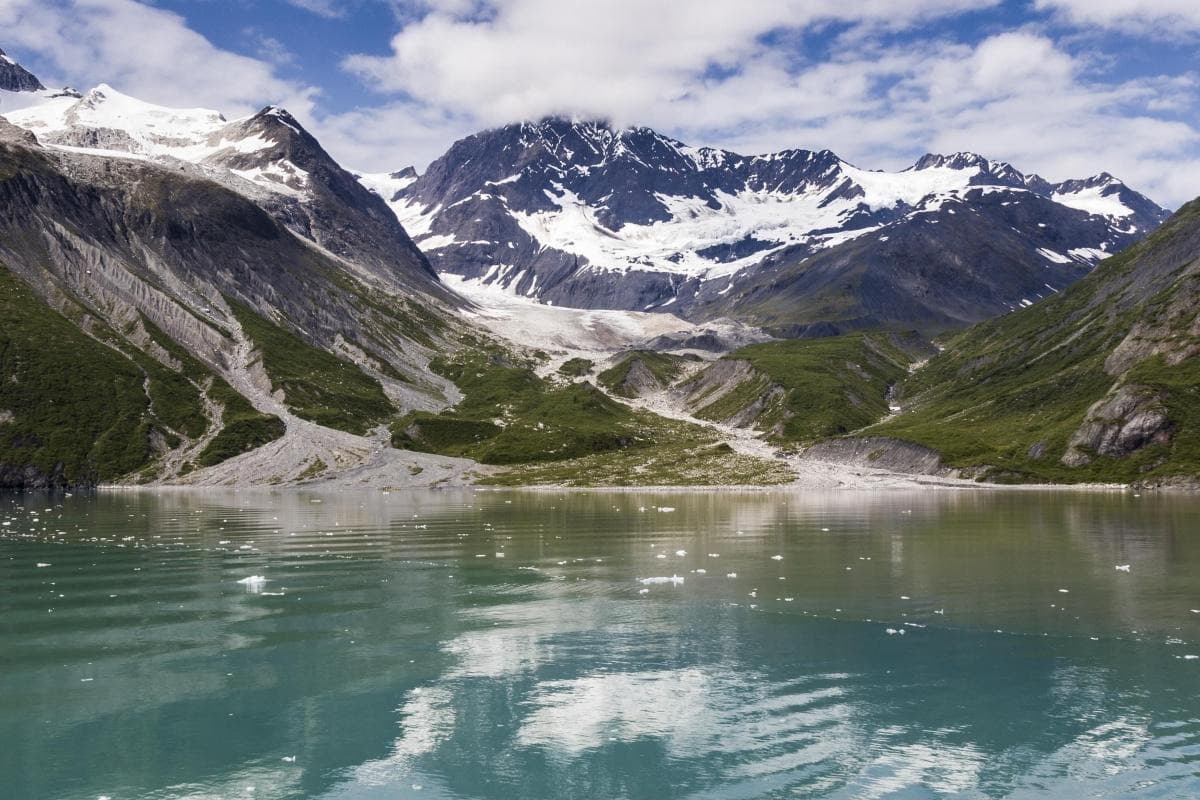
The bow of the research vessel rides low in a blue-green cove as a spine of ice the size of a city groans and snaps from the face of Johns Hopkins Glacier. A foghorn stutters. Water explodes into the air; a thunder that you feel in your chest. Around you, humpbacks arch and blow between the floating cathedrals of bergs. In Glacier Bay National Park & Preserve, landscapes behave like actors with moods — playful one minute, terrifyingly sublime the next — and the only sensible response is to pay attention.
Glacier Bay sits at the edge of Alaska’s inside passage, where Pacific tides meet the tongues of ice that once dominated this coast. The park’s carved fjords, retracting tidewater glaciers, and dense coastal rainforest make it less a static postcard and more a living laboratory. Over the last century, glaciers here have retreated miles, revealing moraines, new estuaries, and a rapid succession of ecosystems. That raw pace of change is part of the draw: visitors get a front-row seat to ongoing geological and ecological processes.
Human history here threads through the natural story. The Huna Tlingit people have lived and traveled these waters for millennia; their villages, seasonal camps, and place names map a landscape of hatchery salmon runs, sheltering coves, and navigable channels. Western exploration and scientific attention arrived later, and the park was finally protected under the Alaska National Interest Lands Conservation Act in 1980. In 1986 Glacier Bay was also designated a UNESCO Biosphere Reserve, recognition of its global ecological importance.
Most travelers experience Glacier Bay by water — a day cruise from Gustavus, a longer expedition from Juneau, or a private charter that threads the fjords over several days. Boat-charters are the easiest way to feel the scale: full- or half-day tours run 4–8 hours and get you close to calving glaciers, rookery islands, and the deep fjord walls where mountain goats and brown bears roam. For a slower, more intimate frame, sea kayaking shrinks the distance between human and iceberg. Expect paddling legs that range from gentle 2–5 mile shoreline explorations to multi-day crossings that can total 10–25 miles, depending on itinerary and conditions. Bartlett Cove, near the park headquarters, offers short hikes (1–3 miles) and interpretive trails if you want to stretch your legs without committing to expedition logistics.
Wildlife viewing is the headline act. Humpbacks, orcas, porpoises, sea otters, Steller sea lions and vast seabird colonies can appear in dizzying succession. On land, brown bears and Sitka black-tailed deer roam the forests that hug the fjords. Fishing is also a practical pleasure here — salmon and halibut are plentiful, and many tour operators combine scenic cruising with a chance to drop a line.
Practicalities temper the romance and keep trips safe and pleasant. Weather in the inside passage is famously changeable; summer brings long daylight and generally calmer sea states but also rain and fog. Seasickness is a real risk on open water and on longer crossings — plan for that. If you’re kayaking, basic paddling experience and a level of cold-water comfort are necessary; guided trips provide drysuits and instruction, and multi-day itineraries require careful planning around tides, wind, and campsite availability. Backcountry camping is permitted with registration; follow park rules for food storage and bear safety.
If you’re building an itinerary: aim for a blend. A 6–8 hour narrated boat tour from Gustavus or Juneau lets you observe calving glaciers and get context from park rangers. Add a day of guided kayaking in the sheltered arms of the bay to feel the scale more viscerally, and if time allows, spend a night at a backcountry campsite or the rustic Glacier Bay Lodge to watch light and tide rewrite the shoreline. For those with less time, flightseeing from Juneau compresses the drama into an hour: sea-ice, hanging glaciers, and the jagged spine of the Coast Mountains all carving a dramatic aerial tableau.
Logistics: Gustavus is the practical gateway — a 40–60 minute floatplane hop from Juneau or a ferry ride depending on schedules — and home to the park visitor center at Bartlett Cove. Many operators meet there. Permits are straightforward but required for overnight stays; book permits and guided trips in advance during peak months (June–August). Respect wildlife buffers and listen to rangers; a calving glacier can propel ice the size of houses and create dangerous waves.
What you’ll remember most is the sensory layering: the deep metallic smell of glacial flour in the water, the abrupt silence that falls after a calving, the tactile cold of a seawind that makes every sip of hot coffee feel like an epiphany. Glacier Bay is not just a place to see but a place to witness processes — recession, regrowth, migration — that operate on human and geological timescales at once. If you go with curiosity, basic preparation, and a sense of humility in front of moving ice, Glacier Bay rewards with scenes and lessons few other parks can offer.
Trail wisdom
Small choices, better day.
Book permits and trips early
Summer fills fast; reserve backcountry campsite permits and guided kayak or charter seats at least 2–3 months ahead.
Layer for damp cold
Bring a waterproof breathable shell, insulated mid-layer, and a warm hat — drizzle and sharp wind can drop temps quickly.
Prepare for seasickness
Take non-drowsy or prescription remedies before boarding; choose sheltered seats mid-ship if you’re prone to motion sickness.
Respect wildlife distances
Maintain recommended buffer distances from whales, seals, and nesting islands; sudden movements are dangerous for animals and people.
Local knowledge
Read the place, not just the route.
Watch for native species including Humpback whale, Brown bear.
Keep an eye out for wildlife during the transition between areas and habitats. Respect distance guidelines.
Glacier Bay’s rapidly changing glacial landscape makes it a focus for climate and ecological research; visitors are asked to follow strict wildlife and waste protocols to minimize impact.
Follow the guide's instructions on size limits, ethical handling, and leave-no-trace practices.
Bartlett Cove’s short interpretive trails and museum exhibits. Quiet side inlets near Point Gustavus for birdwatching and serene paddling
Locally recommended viewpoints and quiet spots known best to local operators.
The Huna Tlingit have ancestral ties to Glacier Bay; the park was established under ANILCA in 1980 and later recognized as a UNESCO Biosphere Reserve.
Maritime roots and regional tradition shape the waterways and working coasts.
Seasonal guide
Four versions of the same landscape.
Spring
Best forMigratory seabirds · Emerging tundra blooms
ChallengesUnpredictable weather · Limited services early season
Late spring offers a pattern of returning wildlife and dramatic glacier runoff; expect cooler temps and variable schedules for operators.
Summer
Best forWhale watching · Guided kayaking · Long daylight
ChallengesCrowds and booked tours · Fog that can limit visibility
June–August is peak window for wildlife and access — longer days and more operators, but book early and plan for occasional fog.
Fall
Best forQuiet waterways · Fall color in coastal forests
ChallengesShortening daylight · Increasing storms
September calms the crowds and brings crisp light; marine conditions can worsen, so expect cancellations and reduced services.
Winter
Best forSeascape photography from the air · Solitude
ChallengesLimited access, most services closed · Short daylight and cold
Winter access is difficult; flightseeing or scientific visits are possible, but most visitor services and boat tours shut down.
Pack with intention
What to bring.
Good to know
Common questions.
Most visitors fly by floatplane or take a ferry to Gustavus from Juneau; many cruise ships and day-boat operators also offer access from Juneau and other ports.
Plan the edges
The details that make the day easier.
Glacier Bay National Park and Preserve was established in 1980 under the Alaska National Interest Lands Conservation Act and was designated a UNESCO Biosphere Reserve in 1986.
Gustavus offers small-town hospitality and fresh Alaskan seafood; learn about Huna Tlingit cultural ties at local exhibits and sample salmon or halibut at community eateries.
- Gateway
- Gustavus; access: floatplane or ferry from Juneau; typical trip length: day cruise (4–8 hrs) or multi-day kayak
Choose operators who follow low-wake and wildlife-distance guidelines; pack out all trash, minimize single-use plastics, and follow bear-safety and food storage protocols to protect fragile coastal ecosystems.
Explore by topic
Follow the threads.
Keep exploring
Make the story part of the trip.
Set out from Bass Harbor for a private, customizable day on Blue Hill Bay — lighthouses, puffins, seals, and the chance to feel Acadia from the water. Small groups, local captains, unforgettable views.
In four hours you can move from shaded canyon ferns to wind-scoured coastal ridgelines, guided by someone who knows where the light—and the hidden views—live. This private half-day hike on the Monterey Peninsula or Big Sur is compact, curated, and perfect for travelers who want depth without a multiday commitment.
 Related story
Beneath a sky of shifting light, Skaftafell’s ice reads like a map of time. This three-hour guided glacier hike mixes technical instruction with geology and culture: compact, safe, and unforgettable.