
What the day feels like
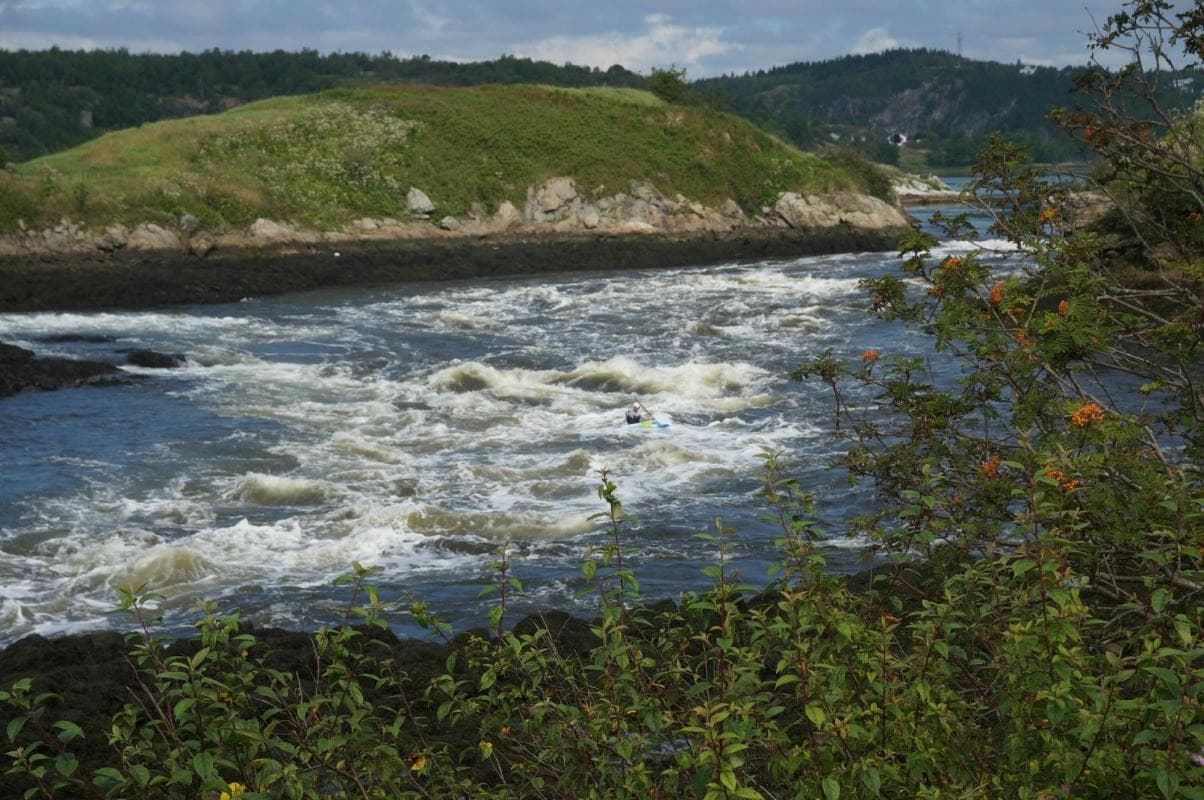
If you arrive at the Reversing Falls on a bright summer morning, the first thing you’ll notice isn’t the roar—it’s the impatience of the water. The Saint John River, having spent the day flowing quietly toward the Bay of Fundy, meets a rocky throat of hard red shale and a tidal juggernaut that arrives on its own schedule. For a few minutes to an hour, depending on the tide, the river yields. The ocean pushes back. The current spins, froths, and briefly reverses direction with an energy that feels almost theatrical: water that had been politely heading out to sea now answers like a seasoned actor, pivoting mid-performance to face the shore.
The Reversing Falls are less a single waterfall and more a hydraulic argument between river and tide—an argument made visible and audible on a narrow stretch of jagged bedrock at the mouth of the Saint John River. Standing on the pedestrian walkways along the Reversing Falls Bridge or hugging the cliffside viewpoints, you can watch the water slam through constricted channels, boil over standing waves and whirlpools, and then, as the tide recedes, watch the flow resume its ordinary, seaward business. The spectacle is dramatic but compact, all action in a space you can comfortably circle on foot.
Geology and tides conspire here. The bedrock is a hard, erosion-resistant slate and shale that narrows the river’s exit, channeling enormous tidal energy from the Bay of Fundy—the bay famous for having the highest tides on Earth—into a tight corridor. Twice a day, the incoming tidal bore from the bay pushes upriver with such force that it overcomes the river’s outflow. The result is a visual and hydraulic phenomenon that drew the attention of sailors, Indigenous peoples, and later industrialists and scientists.
Mi'kmaq and Wolastoqiyik communities knew these waters long before they were named on European charts. The reverse flow has shaped patterns of fishing, travel and mythology here for centuries. In the 19th and early 20th centuries, the rapids and narrow gorge were both a hazard and a resource—navigation through the falls was treacherous, but nearby shipbuilding and industry used the river and its tidal energy in their work. Today, the area is a mix of working harbor, quiet neighborhood streets, and lean viewing platforms that place you close to one of nature’s more theatrical tidal displays.
There are several ways to experience the Reversing Falls. The most direct is to walk the viewpoints—short, accessible trails and platforms with interpretive signs that explain what you’re seeing. For a closer, wetter perspective, local operators run boat tours from Saint John harbor that thread the river mouth when tides allow; these tours often last 45–90 minutes and come with a briefing on tides and safety. Kayak trips in calmer conditions give experienced paddlers the chance to feel the eddies and backflows up close—but be warned: this is not casual flatwater paddling. Guides recommend excellent local knowledge and timing with the tide tables.
Practicalities matter here. The Reversing Falls puts its best face on at moving tides—typically during the hour or two around high tide when the ocean’s push is strongest. Consult local tide tables (Parks Canada provides reliable data, and local marinas keep printed charts) and aim to arrive of plenty of time to watch the buildup and the reversal itself. Summer brings the warmest weather and the full slate of boat tours; spring and fall can deliver unexpectedly dramatic shows, especially around spring tides when the tidal range is larger. In winter the falls still do their work, but access to viewpoints can be icy and tours are seasonal.
Footwear and timing make the visit more comfortable. Trails are short and mostly paved, but the wind off the water can be harsh and the spray will find you—good shoes, a light waterproof layer, and sunglasses for the glare are smart. If you’re taking a boat tour, wear a warm base layer even on warm days; the wind is sharper out on the water. Photography is straightforward: a wide-angle lens for the wider vista, a mid-range zoom to isolate the boil and whirlpools, and a fast shutter if you want to freeze the crest of the waves.
A visit can be as short as 45 minutes or as long as an afternoon if you add a boat tour, walk the riverside, and linger at a waterfront café. Combine the falls with a stroll through uptown Saint John—its brick streets, lively farmers’ market (one of Canada’s oldest), local seafood shacks and craft breweries make for a satisfying after-visit. Local operators also highlight other Bay of Fundy experiences—whale watching, tidal bore trips, and coastal hikes—if you’re building a longer itinerary.
Safety is a practical matter, not a theory. Never enter the water near the falls; currents are unpredictable and deceptively strong. If you’re paddling, go with a guide and plan trips at slack tide windows. If you’re watching from shore, respect fencing and signage and keep children and pets at a safe distance. Finally, timing with tides is everything—arrive early for the best light and the most dramatic flow, and carry a printed or offline tide chart in case cell service is patchy.
The Reversing Falls is a compact, elemental show—tidal physics made visible, Louisiana gumbo of geology, culture and commerce. It’s the sort of place that rewards both the person who wants a quick, visceral natural spectacle and the traveler who wants to weave that spectacle into a broader exploration of Saint John and the Bay of Fundy.
Why go? Because in a single visit you’ll see the raw exchange between river and ocean, learn something about tides that usually hides beneath the surface, and get a dose of maritime New Brunswick culture to pair with it. Pack your layers, check the tide, and let the river show you how impressive a moment of natural reversal can be.
Trail wisdom
Small choices, better day.
Time it with the tide
Arrive 45–90 minutes before high tide to watch the buildup and the reversal—check local tide charts beforehand.
Dress for spray and wind
A light waterproof shell and layered clothing will keep you comfortable on exposed viewpoints and on boat tours.
Respect safety barriers
Strong, unpredictable currents make the water extremely dangerous—observe fences, signs, and keep pets and kids close.
Choose the right experience
Boat tours offer proximity and commentary; guided kayak trips are for experienced paddlers only—book accordingly.
Local knowledge
Read the place, not just the route.
Watch for native species including harbor seals, migratory shorebirds such as sandpipers.
Keep an eye out for wildlife during the transition between areas and habitats. Respect distance guidelines.
Operators and local authorities emphasize staying on paths and reducing shoreline litter; support licensed guides who follow strict safety and environmental practices.
Follow the guide's instructions on size limits, ethical handling, and leave-no-trace practices.
The low cliff trail north of the bridge offers quieter vantage points and sunset views. Combine a morning tide-watch with a visit to Saint John City Market for fresh seafood and local crafts
Locally recommended viewpoints and quiet spots known best to local operators.
The tidal interactions at the Reversing Falls have shaped local navigation and industry for centuries; Indigenous Wolastoqiyik and Mi'kmaq communities knew these waters long before colonial maps.
Maritime roots and regional tradition shape the waterways and working coasts.
Seasonal guide
Four versions of the same landscape.
Spring
Best forstormy, dramatic tides · fewer crowds · wild migratory birds
Challengescooler temperatures · variable weather · shorter daylight
Spring brings powerful tides and dramatic water movement; dress warmly and expect changeable weather.
Summer
Best forboat tours and accessibility · mild weather · combining with other Bay of Fundy trips
Challengescrowds at peak times · higher summer prices · intense midday sun
Summer is the easiest window for tours and walking access—arrive early to avoid crowds and midday glare.
Fall
Best forcrisp air and light · fewer tourists · fall colors in nearby parks
Challengescooling temperatures · shorter days · spotty tour schedules late season
Fall pairs great viewing light and cooler temperatures with fewer visitors—September often feels ideal.
Winter
Best forquiet viewpoints · unique icy scenery · photography of frozen shorelines
Challengesicy trails and limited tour operations · cold winds · reduced services
Winter scenes are stark and beautiful but access can be icy; most boat tours don't operate year-round.
Pack with intention
What to bring.
Good to know
Common questions.
Plan to arrive 45–90 minutes before high tide—this covers the buildup and the main reversal window; local tide charts and marina bulletins provide exact times.
Plan the edges
The details that make the day easier.
The Reversing Falls exist because of the Bay of Fundy’s extreme tides—the bay has some of the highest tidal ranges in the world, exceeding 15 meters (about 50 feet) in places, which forces the ocean to push upriver twice a day.
Saint John mixes maritime grit with a thriving local food scene—sample fresh lobster and scallops, visit the century-old City Market, and drop into small breweries showcasing New Brunswick hops.
- Access
- short walks from roadside parking and bridge viewpoints; Tours: seasonal boat and kayak operators run trips spring–fall; Safety: stay behind railings and never enter the water; Nearest airport: Saint John (YSJ) roughly 10–15 minutes by car.
Choose licensed guides, avoid single-use plastics, stay on designated paths to protect shoreline habitat, and dispose of waste in town to keep the river and bay healthy.
Explore by topic
Follow the threads.
Keep exploring
Make the story part of the trip.
Set out from Bass Harbor for a private, customizable day on Blue Hill Bay — lighthouses, puffins, seals, and the chance to feel Acadia from the water. Small groups, local captains, unforgettable views.
In four hours you can move from shaded canyon ferns to wind-scoured coastal ridgelines, guided by someone who knows where the light—and the hidden views—live. This private half-day hike on the Monterey Peninsula or Big Sur is compact, curated, and perfect for travelers who want depth without a multiday commitment.
 Related story
Beneath a sky of shifting light, Skaftafell’s ice reads like a map of time. This three-hour guided glacier hike mixes technical instruction with geology and culture: compact, safe, and unforgettable.