
What the day feels like
You leave the glass-and-concrete reiteration of Mumbai behind in stages: a traffic light, a low-rise suburb, then the road narrowing as neem and banyan trees press close. The city that never seems to stop exhales here—into a pocket of monsoon-dark forest, laced with rock-cut history. Sanjay Gandhi National Park sits like a green hinge on Mumbai’s northwestern rim, an unexpected wilderness threaded with trails, waterfalls, and more than a thousand years of carved stone. It’s the sort of place where a morning’s walk can feel like two worlds at once: the pulse of a metropolis and the slow, deliberate agency of trees.
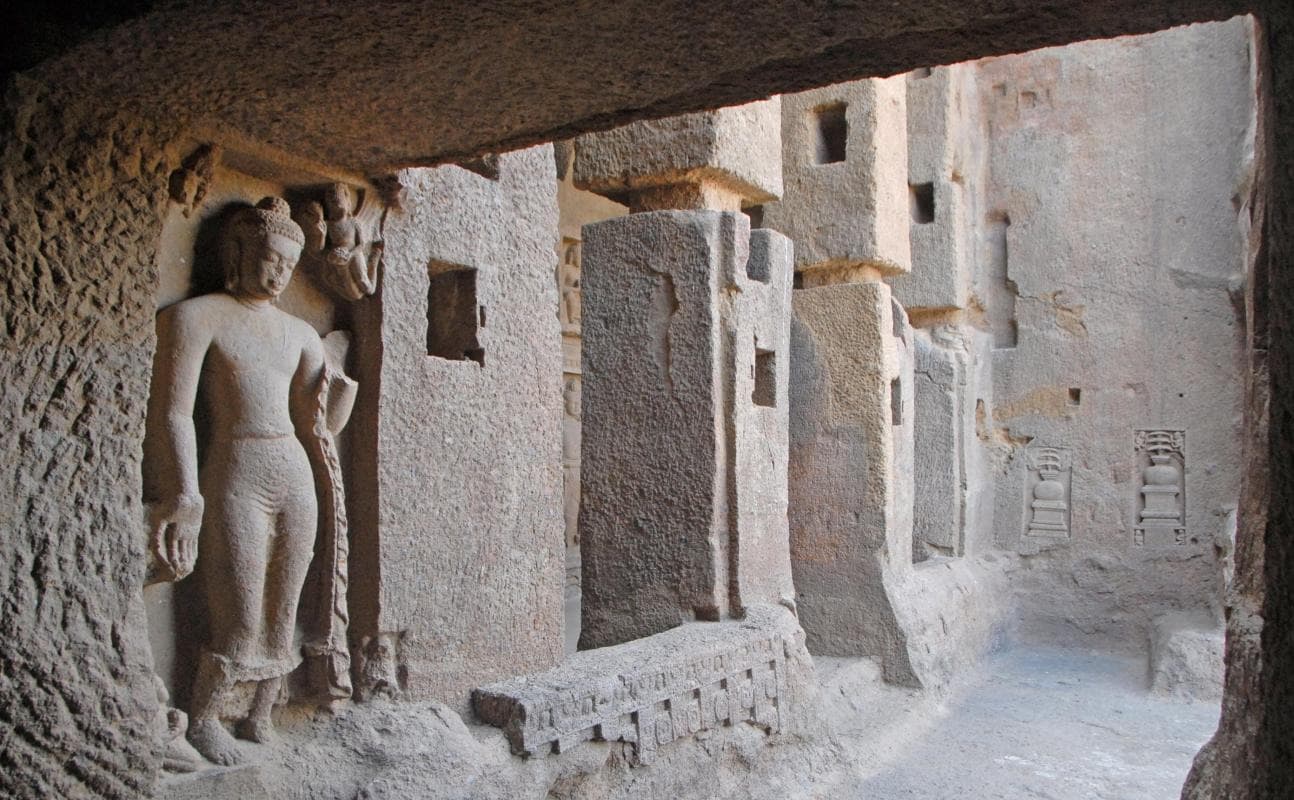
Start with the Kanheri Caves, the park’s human anchor and best-known secret. A roughly 20–30 minute, steadily uphill walk from the main parking area brings you to a series of rock-cut viharas and stupas—109 caves in all, with inscriptions and sculptures stretching from the 1st century BCE through the early medieval period. The caves aren’t just static ruins; they were living classrooms, meditation halls, and residential cells for Buddhist monks. Passing through shadowed pillared halls into sunlit courtyards, you get the sense of centuries of footsteps, of ritual and study persisting beneath a canopy of tamarind and peepal trees.
Beyond the caves the park opens into a patchwork of trails, viewpoints, and managed wildlife areas. You can rent a bicycle near the entrance and pedal past small wetlands, over stone culverts, and through groves where the leaves seem to be conspiring to shade you. For many visitors, a highlight is the guided safari-style drives that thread through enclosures and open scrub where spotted deer, langurs, and the occasional sun-basking mugger crocodile can be seen. There’s also a small lion and tiger safari attraction—controversial to some, treasured by others—where you can observe big cats at a distance from a bus, a reminder that even in an urban park the rules of the wild are at work.
The practical side of Sanjay Gandhi is part of its charm. Trails are short to moderate rather than epic: plan 2–4 miles of walking to cover the caves and a couple of viewpoints, with an uphill portion of stairs and rocky steps to negotiate. Elevation change is modest—expect several short climbs and the odd stairwell rather than long mountain ascents—so the park is friendly to fit families, hikers easing back into the hills, and travelers who prefer their wilderness with a safety net.
History and geology are braided together here. The basalt outcrops are part of the Deccan Traps, the enormous volcanic flows that shaped much of western India’s landscape. Over centuries humans have hewn rooms, pillars, and stupas into that basalt, using natural ledges as terraces and anchoring carved reliefs into solid rock. The Kanheri complex is a textbook example of Indian rock-cut architecture—its chambers still hold traces of pigments, relief sculpture, and the geometry of Buddhist worship.
Culturally, the park touches more than stone. There are small villages and communities around the park where Warli art and local crafts thrive; festival days bring pilgrim traffic to the Jain temple tucked into the forest; and the park’s public spaces are a weekend refuge for families from across Mumbai. It’s also a living laboratory for conservationists and a daily reminder that urban growth and wildlife management are entangled questions.
Practicalities make or break a trip here. Arrive early—gates open in the morning and the light is best for the caves before the heat and crowds build. Bring water and sun protection even if you plan only an hour’s walk; shade is generous but the humidity can be relentless. Wear sturdy shoes: the path to the caves includes several flights of stone steps and sections of uneven basalt. If you’re visiting during the monsoon, expect lush, dripping vistas and slippery rocks; trails get theatrical but can be treacherous without proper footwear.
There are options if you want to offload logistics: half-day guided tours, private transfers from South Mumbai, or small-group treks that pair the caves with a short wildlife drive. These guided options give frame and context—archaeological background at Kanheri, natural history along the trails, and the insider knowledge to spot a shy spotted deer or identify native trees.
Finally, think like a responsible visitor. The park is an ecological lung for millions. Stick to paths, carry out trash, and don’t feed or approach wildlife. Timing your visit around quieter weekday mornings can give you a more contemplative experience, while a monsoon visit will reward you with waterfalls and a green that feels impossibly saturated.
Sanjay Gandhi National Park is a compact wilderness with multiple personalities: a museum of carved stone, a family-favorite picnic ground, a modest wildlife refuge, and a place where the city’s edge gives way to the measured agency of nature. Spend a day here and you’ll come away with both a clearer head and the small, steady pleasures that only a walk under deep forest canopy can offer.
Trail wisdom
Small choices, better day.
Start at first light
Arrive early to avoid heat and crowds; morning light also brings out the detail in the Kanheri carvings.
Wear grippy shoes
Stone steps and wet basalt can be slippery—trail shoes or light hikers will keep you sure‑footed.
Carry 1–2 liters of water
There are limited refreshment stalls inside—hydrate before you start and take small sips on climbs.
Respect wildlife boundaries
Keep distance from langurs and deer; never feed animals or leave food scraps.
Local knowledge
Read the place, not just the route.
Watch for native species including Indian giant squirrel, spotted deer (chital).
Keep an eye out for wildlife during the transition between areas and habitats. Respect distance guidelines.
The park is an important urban green lung under pressure from surrounding development—stick to trails, avoid plastics, and support local conservation initiatives.
Follow the guide's instructions on size limits, ethical handling, and leave-no-trace practices.
A quiet viewpoint above the Kanheri plateau for sunset silhouettes. Nearby Warli‑art villages that host weekend craft demonstrations
Locally recommended viewpoints and quiet spots known best to local operators.
The Kanheri Caves are a complex of 109 rock‑cut Buddhist caves with inscriptions and carvings dating from the 1st century BCE to the 10th century CE.
Maritime roots and regional tradition shape the waterways and working coasts.
Seasonal guide
Four versions of the same landscape.
Spring
Best forearly-morning walks · birdwatching
Challengesrising heat · dry trails
Spring brings warm, increasingly humid days—mornings are best for trails and birdsong before temperatures climb.
Summer
Best formonsoon waterfalls · lush vegetation
Challengesheavy rains · muddy/slippery trails
Summer coincides with the monsoon—forests are dramatic and green but trails get slippery; check access if heavy rains are forecast.
Fall
Best forpost-monsoon clarity · photography
Challengesresidual wet spots · weekend crowds
Autumn (post-monsoon) offers clear skies, refreshed foliage, and comfortable temperatures—ideal for exploring the caves and viewpoints.
Winter
Best forhiking comfort · wildlife spotting
Challengesshorter daylight hours · cool mornings
Winter provides the most pleasant walking weather—cool mornings and long daylight make it the optimal season for a full day visit.
Pack with intention
What to bring.
Good to know
Common questions.
A focused visit to the main Kanheri caves and nearby viewpoints takes 1.5–3 hours depending on pace and how many caves you explore.
Plan the edges
The details that make the day easier.
The Kanheri Caves complex contains 109 rock‑cut caves that date between the 1st century BCE and the 10th century CE, representing one of the largest groups of rock-cut monuments in western India.
Pair your park visit with local flavors: Borivali markets offer fresh vada pav and chaat, while nearby villages showcase Warli art—perfect for a cultural detour after the trails.
- Getting there
- ~1 hour from South Mumbai by car; Gates open early AM; carry ID for tickets; short uphill walk to Kanheri caves; guided tours and bike rentals available.
Use reusable water bottles, stay on marked trails, don’t feed wildlife, and choose locally operated guides to support community-based tourism.
Explore by topic
Follow the threads.
Keep exploring
Make the story part of the trip.
Set out from Bass Harbor for a private, customizable day on Blue Hill Bay — lighthouses, puffins, seals, and the chance to feel Acadia from the water. Small groups, local captains, unforgettable views.
In four hours you can move from shaded canyon ferns to wind-scoured coastal ridgelines, guided by someone who knows where the light—and the hidden views—live. This private half-day hike on the Monterey Peninsula or Big Sur is compact, curated, and perfect for travelers who want depth without a multiday commitment.
 Related story
Beneath a sky of shifting light, Skaftafell’s ice reads like a map of time. This three-hour guided glacier hike mixes technical instruction with geology and culture: compact, safe, and unforgettable.