
What the day feels like
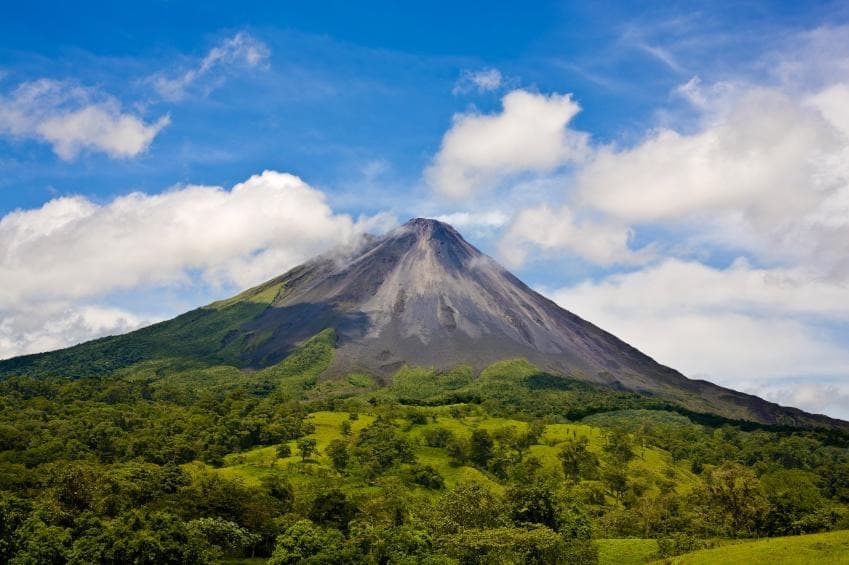
The first time you step out onto the Arenal Observatory Lodge’s veranda, the volcano doesn’t just fill your view — it fills the air. On clear mornings the cone sits like a perfect black arrow rising from jungle green; on others it’s a shy presence, wrapped in steaming clouds, its moods decided by wind and rain. The lodge, cradled on a private biological reserve just outside La Fortuna, feels like a human-scale research outpost that learned to be a very comfortable inn. Trails unfurl through secondary rainforest and past old lava flows, and at dusk the chorus of howler monkeys and frogs swells to a soundtrack that insists you stay another hour.
This is a place built for looking. The Arenal Observatory Lodge and Spa was founded around the idea of studying and sharing the volcano’s drama — the 1968 eruption ended a centuries-long dormancy, transforming the region’s landscape, agriculture and tourism. Scientists and naturalists have long used these slopes to observe volcanic processes and the rapid regeneration of rainforest on fresh lava; the lodge sits within that same scientific and conservation tradition, but with private trails, comfortable rooms, and a viewing terrace that makes the volcano a constant companion.
Geologically, Arenal is young and energetic. Its basaltic lava fields — jagged, pocked and threaded with pioneer plants — record eruptions and the slow progression of life that follows fire and rock. The soil here is rich, which helps explain the lushness: cacao, heliconias and towering figs crowd the understory. Birdlife is abundant; the property is a magnet for motmots, toucans and tanagers, while the canopy hides sloths and the occasional jaguarundi.
The lodge’s setting makes it an ideal base for the best activities La Fortuna has to offer. Trails on the property link to a network of private paths totaling a handful of miles (roughly 5–8 km), ranging from easy boardwalks to steeper viewpoints that reward you with volcano panoramas and an intimate look at forest recovery on old lava flows. Bookable excursions that pair perfectly with a stay here include the Hiking Lovers combo (Hanging Bridges + La Fortuna Waterfall + Volcano Hike) — an efficient way to sample the region’s three great hikes in a day — and the Sky Walk with Tour Guide From Arenal for suspended-bridge views of the canopy. If you’re short on time, the Arenal Volcano 1 Day Tour condenses the essentials into a single well-paced day trip. For travelers planning an extended stay, multi-day vacation packages that include Arenal, Monteverde and national parks are an easy way to stitch together rainforest, coast and culture.
Practical detail anchors the romance. Trails around the lodge are well-maintained but can be steep and muddy after rain; expect roots and slick rocks. Most day hikes in the area range 2–6 miles with modest elevation gains (200–400 m), while guided hanging-bridge circuits introduce you to canopy life with limited technical difficulty. La Fortuna Waterfall drops steeply into a turquoise pool — the descent is several hundred steps each way, so factor that into your energy budget.
Timing is everything. Clear views of Arenal are most reliable in the dry season, from December through April — early mornings often offer the clearest light for photography and the best chance to hear birds before heat and humidity build. The rainy season (May–November) is richer for insects, orchids and waterfalls at full voice; expect afternoon downpours and tack on quick-drying clothes.
Logistics are straightforward: La Fortuna is a 20–40 minute drive from the lodge (shorter from some hotels) and about a three-hour drive from San José. The lodge has on-site dining, an observatory terrace and spa facilities that make it easy to alternate vigorous hikes and restorative soaks in thermal waters nearby. Guided walks through the lodge’s reserve are worth the price — local naturalists reveal the ecosystem’s smaller secrets, from frog calls to fungi that colonize fresh lava.
Prepare like a pragmatic adventurer: sturdy, broken-in hiking shoes, a lightweight rain shell, binoculars and a headlamp will go farther than extra fashion pieces. Hydration matters here; humidity can hide exertion until you’re spent. Respect private trails, follow Leave No Trace practices, and pay local guides for their expertise — their knowledge is the key to spotting skittish wildlife and understanding the land’s volcanic history.
Staying at Arenal Observatory Lodge and Spa feels like taking a slow course in a place that remade itself in 1968 and has been quietly teaching visitors ever since. Whether you’re a casual hiker who wants a comfortable bed and a volcano view or a nature nerd chasing canopy birds and thermal springs, the lodge is an excellent hub. Go prepared, go curious, and let the volcano be your orientation point: it won’t just guide your map, it will shape the stories you bring home.
Trail wisdom
Small choices, better day.
Start at dawn
Wildlife is most active in the morning and mornings often provide the clearest views of Arenal before clouds build; schedule forest walks early.
Wear grippy footwear
Trails can be muddy and rocky, especially after rain — choose hiking shoes with good traction rather than trail runners if you expect wet conditions.
Bring cash for smaller vendors
Some local guides, entry kiosks and roadside stands near La Fortuna accept only cash; carry some colones for snacks, tips and small purchases.
Hydrate and pace yourself
Humidity and heat can drain energy quickly; carry at least 1–2 liters of water on hikes and take frequent brief rests in the shade.
Local knowledge
Read the place, not just the route.
Watch for native species including Howler monkeys, Toucans.
Keep an eye out for wildlife during the transition between areas and habitats. Respect distance guidelines.
The lodge operates as a private reserve supporting conservation and research; visitors are encouraged to stick to trails, avoid single-use plastics, and hire local guides to support the community.
Follow the guide's instructions on size limits, ethical handling, and leave-no-trace practices.
Early-morning viewpoint behind the lodge often cleared of crowds for sunrise photos. Less-traveled trail segments that trace old lava flows and reveal pioneer plants and fungi
Locally recommended viewpoints and quiet spots known best to local operators.
Arenal’s explosive reawakening in 1968 reshaped local communities and spurred decades of scientific study into volcanic regeneration and rainforest recovery.
Maritime roots and regional tradition shape the waterways and working coasts.
Seasonal guide
Four versions of the same landscape.
Spring
Best forclear volcano views · birdwatching · drier trail conditions
Challengeslate showers possible · higher visitor numbers
Spring (March–May) tends toward clear mornings and good visibility; pockets of rain may begin later in the season, but trails are generally in good shape.
Summer
Best forlush rainforest growth · orchid displays · fewer tourists
Challengesfrequent afternoon rain · muddy trails
Summer in Costa Rica brings abundant growth and full waterfalls; expect quick downpours and plan hikes for early morning windows.
Fall
Best foractive waterfalls · fewer crowds than peak season · seed and fruit fall for wildlife viewing
Challengesrainy-season conditions · possible access impacts
Fall continues the rainy pattern with spectacular river and waterfall flows, making it a prime time for river-focused photo ops if you don’t mind puddles.
Winter
Best forcrisp volcano visibility · thermal-spring visits · comfortable daytime hiking
Challengeshigher prices and busier trails · cooler nights
Costa Rica’s dry ‘winter’ (December–February/April) offers the best chance for unobstructed volcano views and reliable hiking weather, though it’s also peak season.
Pack with intention
What to bring.
Good to know
Common questions.
Arenal’s major eruption era ended decades ago; you’ll not see major lava flows today. The volcano still emits steam and occasional minor activity; at night you may see glow or steam plumes depending on conditions.
Plan the edges
The details that make the day easier.
Arenal Volcano reawakened with a major eruption on July 29, 1968, after centuries of dormancy — the event reshaped surrounding towns and launched extensive scientific study of the region.
La Fortuna is a small hub of Pura Vida hospitality: sample casado plates, fresh tropical fruit stands, and local coffee. Community-run chocolate or agro-tourism experiences offer a connection to land and livelihoods around Arenal.
- Base
- Arenal Observatory Lodge and Spa (private reserve). Nearest town: La Fortuna (20–40 min). Nearest international airport: San José (approx. 2.5–3.5 hours by car). Best visibility: Dec–Apr. Book trails and guides in advance during peak season.
Support conservation by staying on marked trails, booking certified local guides, and choosing accommodations that contribute to reforestation and community initiatives.
Explore by topic
Follow the threads.
Keep exploring
Make the story part of the trip.
Set out from Bass Harbor for a private, customizable day on Blue Hill Bay — lighthouses, puffins, seals, and the chance to feel Acadia from the water. Small groups, local captains, unforgettable views.
In four hours you can move from shaded canyon ferns to wind-scoured coastal ridgelines, guided by someone who knows where the light—and the hidden views—live. This private half-day hike on the Monterey Peninsula or Big Sur is compact, curated, and perfect for travelers who want depth without a multiday commitment.
 Related story
Beneath a sky of shifting light, Skaftafell’s ice reads like a map of time. This three-hour guided glacier hike mixes technical instruction with geology and culture: compact, safe, and unforgettable.