
What the day feels like
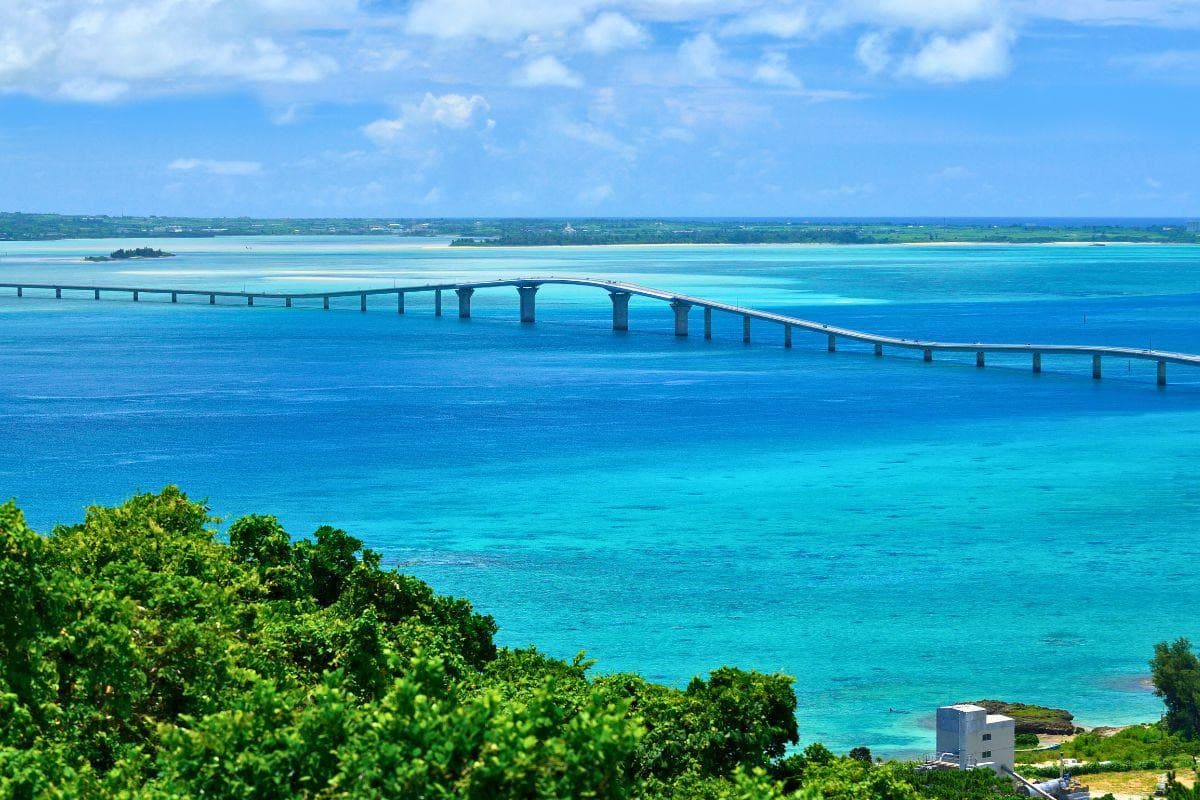
You arrive with the salt still in your hair and the road smoothing out beneath you, the sea yawning open to either side. Irabu Ohashi Bridge rises ahead like a deliberate seam between islands, a 3.5-kilometer ribbon of concrete that threads Miyako Island to Irabu. From the driver’s seat on a private tour or the quiet bow of a kayak, the bridge is a lens: through it you read the pale coral shelf, the sudden green of submerged reefs, and the coastline rehearsing its sunset colors. The wind has a voice here—sharp, brisk, insistent—and the bridge answers in long, patient shadow.
Miyakojima feels like a more elemental Japan: limestone terraces, coral beaches, and a history of maritime exchange that predates modern prefectures. Irabu Ohashi itself is recent infrastructure with an old feel. Completed in 2015, the bridge erased a ferry trip and stitched neighboring communities together, turning what used to be a day’s planning into an impulse drive or a half-day outing. The scale matters—the bridge is one of the longest toll-free bridges in Japan—so when you stop on the shoulder to lean against a guardrail, you get that suspended, cinematic quality of being between two pieces of land and a wide, shallow ocean.
Geology here writes in calcium: coral platforms grow slowly, then break and fossilize into the low cliffs and sandy plains that define Miyako’s coastline. Under the water, sunlight pours over plateaus of hard reef and pockets of sand where hawksbill turtles and parrotfish graze the algae. That shallow reef makes the waters around Irabu ideal for kayaking—calm, clear, and rich with visible life—while a private car tour lets you hop from viewpoint to viewpoint and glean local stories that folding maps won’t tell.
The tours available reflect two ways to experience the place. A half-day private tour is efficient and intimate: local guides will pick you up from the hotel, cruise past Yonaha Maehama, pause for photos beneath the scale of Irabu Ohashi, and slide you into quieter coves or family-run cafés where slow-cooked Miyako soba is a relief after salty air. Guides double as photographers, so you get both directions and keepsakes. The sunset kayak tour is the other essential. You launch near the bridge as the western sky begins to bruise and change. Paddling under that low arc of engineering, you feel the span of sea and the island’s slow pulse. The guides tailor the route to surf, swell, and the group’s comfort, making this an accessible option even for first-time paddlers and families.
Practicalities that matter: timing and tide. Sunset paddles are best planned an hour before dusk; the water calms, the colors deepen, and the wind usually eases. For a private driving tour, give yourself half a day—three to four hours is enough to move comfortably between lookout points, beaches, and shops without feeling rushed. Bring reef-safe sunscreen, a dry bag, and a sense of patience: beaches here are best appreciated slowly.
Safety and etiquette are straightforward. Local guides provide life jackets and basic instruction for the kayak tour; if winds pick up or the swell grows, operators will shift to safer shorelines. Underwater, the reefs are fragile—don’t stand on coral, don’t feed marine life, and if you snorkel keep a relaxed kick to avoid contact. Respect small businesses and the slower rhythms of island life: many cafés operate on island hours, and cash is still king in smaller stalls.
How to prepare: footwear that straps on and drains—sandals or water shoes—are smarter than heavy hiking boots. For photography, anything that stabilizes long exposures is useful; the bridge and surrounding shoals make for reflective, compositional foregrounds at golden hour. In terms of climate, Miyako is subtropical: spring and autumn are forgiving, while summer is hot and typhoon season peaks in late summer. Plan on a short flight from Naha—roughly 50 minutes—and a rental car if you want the freedom to explore beyond the shore.
Beyond the bridge itself, hidden corners reward. Yonaha Maehama Beach is a wide, windswept sweep of sand and often tops listicles for a reason; smaller pockets like Sunayama offer sculpted rock formations and quieter waters. On the Irabu side, local markets and roadside stands sell umi-budo—tiny, salty sea grapes—and plates of Miyako soba that are a regional comfort food. Drink a cup of awamori and you’ll taste Okinawa’s distinct distillation tradition, a local flavor you won’t find on the mainland.
What you’ll likely see: hawksbill and green sea turtles slipping over reef ledges, schools of vibrant damselfish and parrotfish, and in the right season, rays gliding along sand channels. The human story is visible, too: low houses oriented to the wind, ancestral markers on coastal bluffs, and small fishermen’s boats that make the active reef their office.
If you want a single-course recommendation: do the sunset kayak tour as the anchor of your island day and use the private half-day car tour to meet the people and food that surround the coast. The two complement one another—the kayak gives you a marine intimacy; the private tour provides context, convenience, and the best final coffee stop.
Irabu Ohashi is not a dramatic peak to climb; it is weather and tide and thin blue light, a place to slow your gait and expand your view. It asks for small attentions—good sunscreen, quiet paddling, local goodwill—and rewards you with an uncomplicated, brilliant evening where bridge and water jot a sentence to remember. For travelers who want both a physical, sensory outing and the practical comforts of a guided route, this is the kind of island experience that sticks: sun on your shoulders, salt in your hair, and a horizon that keeps rearranging itself until you remember why you came.
Trail wisdom
Small choices, better day.
Time your paddle for golden hour
Start the kayak tour about 45–60 minutes before sunset to enjoy calmer water and dramatic light.
Use reef-safe sunscreen
The coral shelf is fragile—non-nano, reef-safe sunscreen protects both your skin and the marine environment.
Bring water shoes
Rocky shorelines and slippery boat ramps make shoes with good grip essential for launching and beaching.
Book transfers in advance
If you’re relying on a half-day private tour, reserve airport or hotel transfers ahead, especially during cruise arrivals.
Local knowledge
Read the place, not just the route.
Watch for native species including Green and hawksbill sea turtles, Colorful reef fish like parrotfish and damselfish.
Keep an eye out for wildlife during the transition between areas and habitats. Respect distance guidelines.
Respect the reef by using reef-safe sunscreen, avoiding stepping on coral, and choosing small-group, locally managed tours that support sustainable practices.
Follow the guide's instructions on size limits, ethical handling, and leave-no-trace practices.
Yonaha Maehama Beach for its wide ribbon of sand and soft surf. Kurima Island viewpoint and quieter coves near the Irabu side
Locally recommended viewpoints and quiet spots known best to local operators.
Irabu Ohashi opened in 2015, significantly changing travel between Miyako and Irabu and boosting local commerce and tourism.
Maritime roots and regional tradition shape the waterways and working coasts.
Seasonal guide
Four versions of the same landscape.
Spring
Best forMild paddling conditions · Wildflowers and offshore visibility
ChallengesOccasional rain fronts · Early-season jellyfish in some years
Spring offers comfortable temperatures and stable seas ideal for kayaking and photo tours.
Summer
Best forWarm swimming and snorkeling · Long daylight hours
ChallengesHigh heat and humidity · Typhoon risk and strong onshore winds
Summer is prime for beach days but watch forecasts—typhoons and strong winds can cancel water activities.
Fall
Best forClear water and warm sea temperatures · Fewer crowds than summer
ChallengesEarly typhoon threats · Shortening daylight for sunset tours
Autumn brings warm seas and crisp air—great for paddles and half-day drives, but stay alert to storm warnings.
Winter
Best forCrisp skies for photography · Quieter beaches and local life
ChallengesCooler water and air temps · Some operators reduce schedules
Winters are mild compared to the mainland; dress in layers and expect fewer tour slots.
Pack with intention
What to bring.
Good to know
Common questions.
Yes, the bridge is toll-free and can be driven across at any time; parking and viewpoints are available on both ends.
Plan the edges
The details that make the day easier.
Irabu Ohashi Bridge opened in 2015 and spans approximately 3,540 meters, making it one of Japan’s longest toll-free bridges.
Try Miyako soba at a family-run eatery, sample umi-budo (sea grapes) and a local pour of awamori; island hospitality often means slow-cooked, seafood-focused meals.
- Location
- Miyakojima, Okinawa. Access: 50-minute flight from Naha. Best bookings: sunset kayak and private half-day tour. Bridge: free to cross. Bring cash and reserve in high season.
Choose operators who brief you on reef etiquette, use reef-safe products, and limit group sizes; avoid single-use plastics and take all trash back to mainland disposal points.
Explore by topic
Follow the threads.
Keep exploring
Make the story part of the trip.
Set out from Bass Harbor for a private, customizable day on Blue Hill Bay — lighthouses, puffins, seals, and the chance to feel Acadia from the water. Small groups, local captains, unforgettable views.
In four hours you can move from shaded canyon ferns to wind-scoured coastal ridgelines, guided by someone who knows where the light—and the hidden views—live. This private half-day hike on the Monterey Peninsula or Big Sur is compact, curated, and perfect for travelers who want depth without a multiday commitment.
 Related story
Beneath a sky of shifting light, Skaftafell’s ice reads like a map of time. This three-hour guided glacier hike mixes technical instruction with geology and culture: compact, safe, and unforgettable.