
What the day feels like
The planetarium’s dome dims and a slow sweep of stars unfurls above you—an impossible, indoor Milky Way that seems to tilt and breathe. A few hours earlier you had been tracing a shaded boardwalk through a patchwork of cabbage palms and slash pines, the air warm enough to smell the resin on a freshly broken twig. At Calusa Nature Center and Planetarium in Fort Myers, the night sky and the neighborhood scrub feel like two acts of the same show: one vast and celestial, the other intimate, immediate and full of small lives moving through the understory.
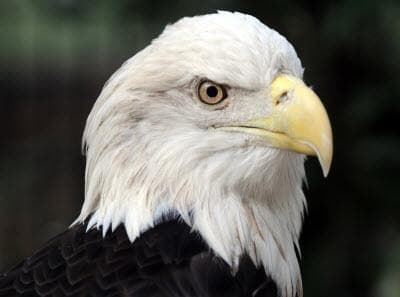
This is not an overbuilt tourist attraction but a quietly rigorous local institution. The center began as a community effort to preserve and interpret Southwest Florida’s natural and cultural history, and today it stitches together live-animal exhibits, a raptor aviary, butterfly gardens, short interpretive trails and an 18–30 minute planetarium program (check the current schedule) that makes astronomy approachable. The place wears its mission plainly: rehabilitation, education and native-plant conservation. You come here to watch a red-shouldered hawk preen, to hear a volunteer explain a snake’s role in the ecosystem, to sit in a dark dome while a narrator points out Saturn’s rings.
Geology and ecology here are subtle rather than dramatic. The land is a low ridge of ancient sand and shell—terrain carved by changing shorelines and inland freshwater flow during the Pleistocene. Those shallow soils support scrub and flatwood habitats that anchor a surprising roster of wildlife: wading birds in seasonal ponds, dusky gopher frogs and the odd armadillo on patrol. The name 'Calusa' pays homage to the powerful Indigenous people who once controlled Southwest Florida’s coast; their fishery-based culture dominated the estuaries and barrier islands long before European arrival. The center uses that history as a teaching lens—connecting the human stories to the species and habitats that are still here.
If you visit in the morning, the trails are especially busy with birds. Binoculars pick out kingfishers on branches and, at the ponds, the patient fishing techniques of herons. Later in the day the butterfly garden becomes a riot of motion; swallowtails and monarchs visit native milkweeds and bluestem plantings that the center cultivates as part of its restoration work. In the aviary, resident raptors—either rehabilitated or educational ambassadors—tolerate a respectful audience and a careful keeper explaining wingspans and hunting strategies. And then there’s the planetarium, a compact theater where the staff translate complex astronomy into short, cinematic narratives—perfect for curious kids and adults who want a quick, mind-bending orientation to southern hemisphere constellations and seasonal sky changes.
Practicalities that matter: the circuit of boardwalks and trails is short—plan for 45 minutes to 2 hours to experience the outdoor exhibits at a relaxed pace, longer if you want to linger with birds or do multiple planetarium shows. Trails are flat but can be uneven, with roots and occasional standing water after heavy rain. Early morning or late afternoon visits deliver the best wildlife viewing and lower heat. Parking is on site and free; the center is family-friendly and well-suited to a half-day itinerary, combining fresh air and indoor programming if storms roll in.
What to bring and how to plan: dress for humidity and sun—light layers and breathable fabrics work best. Closed-toe shoes with good tread are sensible for the boardwalk and trails. Bring insect repellent (Florida mosquitoes are persistent) and a refillable water bottle; the center supports conservation-minded refills. For photographers, a mid-telephoto lens and a fast shutter will capture birds without needing to get too close; remember that flash may spook wildlife. Finally, check the planetarium schedule and reserve tickets for shows that often have limited seating.
Calusa Nature Center is a model of small-but-effective conservation. Its native-plant gardens serve as demonstration plots for Florida-friendly landscaping, and the center runs educational programs connecting visitors with local ecology. Conservation here is not abstract: the center receives injured wildlife, treats and rehabilitates animals where appropriate, and uses those real stories to teach why restoring native habitats matters. That ethos—local action with broad implications—is one of the reasons locals keep coming back.
For travelers, this is an ideal stop to add a layer of ecological and cultural context to a stay in Fort Myers. It’s not a long expedition but a solid half-day immersion: a place where the overhead dark of the planetarium and the stubborn, verdant life of the scrub complement each other. Whether you’re prepping for a coastal paddle later in the week or simply looking for a family-friendly nature fix away from the beaches, Calusa provides grounded perspective on what the region was, what it is, and what it needs to stay healthy.
On a logistical note: arrive early in the day when temperatures are cooler and birds are active; bring sunscreen and water; and leave time for a planetarium program—the combination of trail time and a show feels like getting two field trips in one. What remains after you leave is a sense of calibrated wonder: the sky you can’t touch, rendered close enough to study, and the scrub you can touch, rendered eloquent by the species that live there and the people who work to keep them there.
This center is not about climbing peaks or paddling vast waters; it is about learning scale—how local topography dictates ecosystems, how human history wraps into habitat, and how even a compact preserve can be a crucial node of conservation. If you want a low-effort, high-reward nature outing in Fort Myers that blends wildlife viewing, practical conservation education and a dose of astronomy, plan for a morning here and let the planetarium close the day with a reminder that the night sky is another habitat to steward.
Trail wisdom
Small choices, better day.
Time your visit
Arrive in the morning for the best bird activity and cooler temperatures; reserve planetarium show tickets in advance when possible.
Dress for humidity
Light, breathable layers and closed-toe shoes with grip will keep you comfortable on the boardwalk and trails.
Pack insect protection
Use reef-safe insect repellent and long sleeves during mosquito season to avoid bites while exploring ponds and gardens.
Respect wildlife viewing distances
Use binoculars or a mid-telephoto lens—don’t attempt to touch or feed animals in enclosures or on the trails.
Local knowledge
Read the place, not just the route.
Watch for native species including red-shouldered hawk, various native butterflies including monarchs.
Keep an eye out for wildlife during the transition between areas and habitats. Respect distance guidelines.
The center runs native-plant restoration and wildlife rehabilitation programs, and promotes Florida-friendly gardening and habitat stewardship to reduce local species declines.
Follow the guide's instructions on size limits, ethical handling, and leave-no-trace practices.
Small seasonal ponds along the boardwalk that attract wading birds after rains. The butterfly garden’s native-plant demonstration plots—great for gardeners learning Florida-friendly landscaping
Locally recommended viewpoints and quiet spots known best to local operators.
The center’s name honors the Calusa people, the dominant Indigenous culture of Southwest Florida; exhibits tie regional ecology to that cultural history.
Maritime roots and regional tradition shape the waterways and working coasts.
Seasonal guide
Four versions of the same landscape.
Spring
Best forbutterfly viewing · mild hiking · native plant blooms
Challengessudden thundershowers · increasing humidity
Spring brings blooming native plants and peak butterfly activity; afternoon storms become more common, so plan mornings for outdoor time.
Summer
Best forplanetarium shows · early-morning birding · indoor education programs
Challengeshigh heat and humidity · mosquitoes
Summer is hot and humid—visit early and favor indoor planetarium programs during midday heat; bring extra water and bug spray.
Fall
Best formigratory bird stopovers · fewer crowds · comfortable hikes
Challengesresidual humidity · hurricane-season impacts possible
Fall calms the insects and crowds; weather can still be unstable during storm season—check forecasts before visiting.
Winter
Best formild temperatures · birdwatching · school programs
Challengespossible busy weekends · cooler mornings
Winter offers the most comfortable temperatures and strong bird activity—it's an ideal time for longer visits and outdoor learning.
Pack with intention
What to bring.
Good to know
Common questions.
Plan 45 minutes to 2 hours: short trails and exhibits can be seen quickly, while adding a planetarium show or lingering at exhibits will extend your visit.
Plan the edges
The details that make the day easier.
The center’s name references the Calusa people—the powerful Indigenous maritime culture that dominated Southwest Florida’s estuaries and coastlines before European contact.
Fort Myers pairs well with seafood shacks and Cuban-influenced cafes—try a local grouper sandwich or a Cuban roast alongside a morning at the center; area volunteer groups often host native-plant sales and community restoration days.
Support the center’s conservation work by following leave-no-trace on trails, avoiding single-use plastics, and learning about native plantings to reduce invasive species spread at home.
Explore by topic
Follow the threads.
Keep exploring
Make the story part of the trip.
Set out from Bass Harbor for a private, customizable day on Blue Hill Bay — lighthouses, puffins, seals, and the chance to feel Acadia from the water. Small groups, local captains, unforgettable views.
In four hours you can move from shaded canyon ferns to wind-scoured coastal ridgelines, guided by someone who knows where the light—and the hidden views—live. This private half-day hike on the Monterey Peninsula or Big Sur is compact, curated, and perfect for travelers who want depth without a multiday commitment.
 Related story
Beneath a sky of shifting light, Skaftafell’s ice reads like a map of time. This three-hour guided glacier hike mixes technical instruction with geology and culture: compact, safe, and unforgettable.