
What the day feels like
The morning arrives in a slow, humid hush. Mist clings to the ridgeline like a borrowed veil and the first birds announce themselves—sharp calls, metallic trills, and the incessant hum of wings. You step off the narrow trail and the forest accepts you: leaf litter soft underfoot, roots that feel like old hands guiding your step, and sunlight stitched through crowns of giant timbers. That is Main Ridge Forest Reserve — a swath of ancient, protected rainforest that runs along Tobago’s spine, where the island’s weather, soil and life have been quietly conspired into something rare and easy to love.
Walking the Reserve is to travel inside a cathedral of green. The canopy is two-tiered and lush; tree ferns and epiphytes crowd branches with reckless generosity. Trails climb and fall along the crest, offering sudden openings where the Atlantic and Caribbean slopes reveal themselves in different moods. In these breaks you’ll find why locals birthed a tradition of guide-led walks: the best bird sightings come not from luck but from the practiced eye of someone who’s read these trails since childhood.
History and geology lay under every footstep. Main Ridge is one of the oldest legally protected forest reserves in the Western Hemisphere, established in 1776 to safeguard watersheds and timber for a colonial population. That early conservation impulse has meant continuity: soils that have weathered millennia, streams that nourish downstream communities, and slopes that still host species hardly visible elsewhere. Geologically, the ridge is a series of resistant volcanic and metamorphic outcrops. The long, weathered ridgeline means steepish inclines in places and shallow soils that feed a unique assemblage of plants adapted to rapid drainage and humid air.
Culturally, Main Ridge is not a museum; it is woven into island life. Local guides—many born and raised within a short walk of the trails—run birdwatching tours and waterfall walks that double as cultural briefings. They’ll point out the plants used for traditional medicine, explain how streams shaped village settlement patterns, and share the quiet economics of ecotourism: how a guided group can mean jobs, boat fuel for a speyside snorkeling trip, or schoolbooks for a nearby village.
What to expect on the trail: trails vary from easy half-hour strolls to full-day routes. Typical guided circuits run 3–6 kilometers (2–4 miles) with cumulative elevation of 200–400 meters, often done at a birdwatcher’s pace—slow and patient. Terrain alternates between crumbly leaf-littered singletrack, shallow rock steps, and occasional muddy sections after rain. Expect humidity, quick showers, and dramatic light contrasts where the canopy opens.
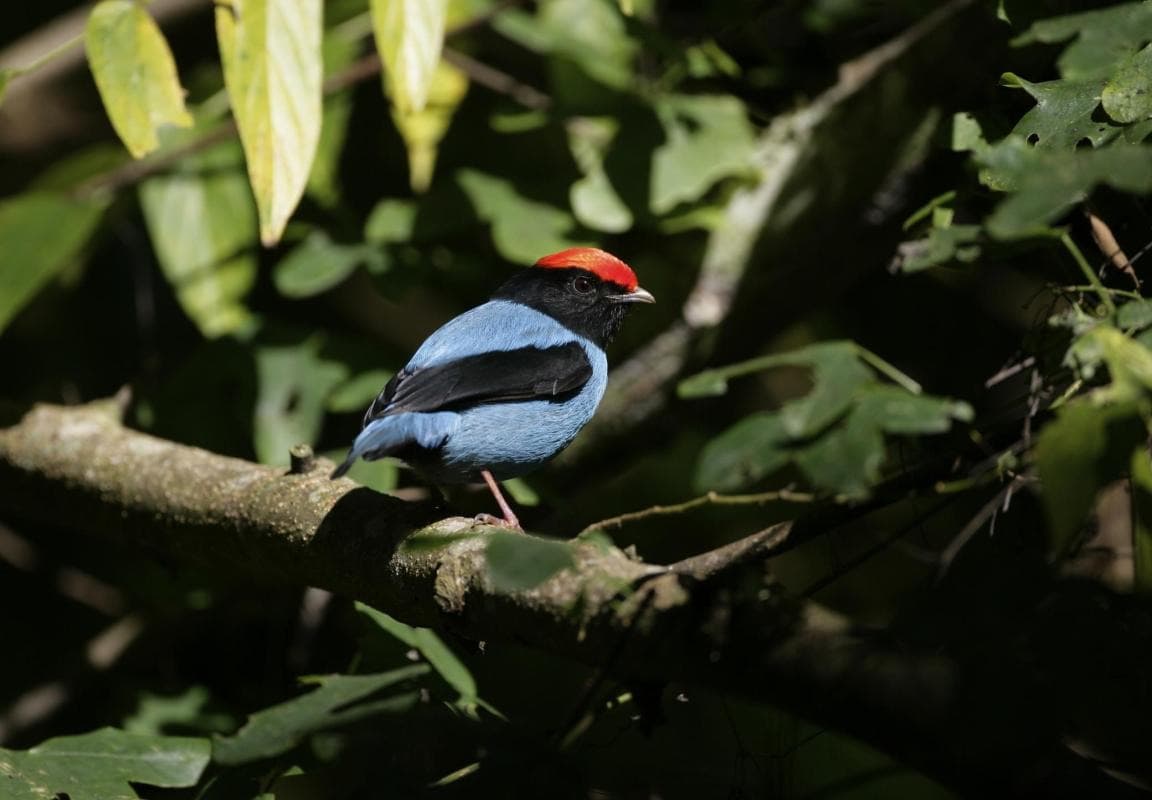
Birdwatchers come for the concentrated variety: hummingbirds flit like jeweled punctuation, tanagers flash color, and motmots and flycatchers patrol gaps and stream edges. Local guides (some offering tours since childhood) know where to find rarities and will often combine forest time with waterfall visits or a drive to Speyside for snorkeling at Angel Reef—so a trip to Main Ridge can become a layered island day of forest, surf and reef.
Practical edge: timing matters. Dawn and the first three hours after sunrise are high-value for birds. Late afternoon offers softer light and fewer mosquitoes. Bring binoculars and a telephoto lens if you plan to photograph; a good pair of trail shoes with sticky rubber will save you from slips on roots and wet rocks. Hydrate before you head up and carry a small daypack with water, a light rain shell and snacks. Hiring a local guide isn’t just helpful—it’s the best way to find birds and waterfalls, and it channels tourism dollars into the community.
Combining experiences is straightforward. Several operators run combined birdwatching, waterfall and island nature tours that start in the Reserve and finish with a coastal drive to Speyside for snorkeling at Angel Reef. These hybrid days showcase Tobago’s ecological gradient—from rainforest canopy to coral reef in a single, coherent itinerary—perfect for travelers who want both land and sea in a day.
Safety and respect: the forest is welcoming but not tame. Stick to marked trails, avoid disturbing wildlife, and follow your guide’s lead around cliffs and stream crossings. Practice Leave No Trace: pack out what you bring and minimize noise to preserve both wildlife behavior and other visitors’ experiences.
Why go? Main Ridge is a compact, high-return wilderness. In a few hours you can experience mature rainforest, see a wide range of tropical birds, cool off under a waterfall and, if you choose, boat to some of the Caribbean’s finest reefs. It’s a place that rewards patience and curiosity, and where the best souvenirs are the crisp memory of a hummingbird’s wingbeat and the sound of the ridge wind moving through the canopy.
Whether you’re a first-time visitor to Tobago or someone who thinks they’ve seen a little of everything, Main Ridge offers layered, tangible encounters. It’s humid and it’s honest: a place where nature still has a say, and where the most memorable adventures are measured in small discoveries—the bark of a bird, a flash of blue, and the sudden open view when the forest yields to the sea.
Trail wisdom
Small choices, better day.
Hire a local guide
Guides know where the birds and waterfalls hide and will double your chances of sightings while supporting the local economy.
Go early for birds
Start at dawn or within the first three hours after sunrise for the most active birdwatching and softer light for photography.
Footwear and footing
Wear sticky-soled trail shoes; roots and wet rocks are common and good traction prevents slips.
Pack light rain protection
Short tropical showers are frequent—bring a lightweight, breathable rain shell to stay comfortable without overheating.
Local knowledge
Read the place, not just the route.
Watch for native species including Hummingbirds (various species), Tropical tanagers and motmots.
Keep an eye out for wildlife during the transition between areas and habitats. Respect distance guidelines.
Conservation here focuses on watershed protection and sustainable tourism; hiring local guides and staying on trails reduces human impact and supports the reserve’s long-term health.
Follow the guide's instructions on size limits, ethical handling, and leave-no-trace practices.
A small waterfall accessible via secondary trails that often has fewer visitors than the main falls. Early-morning ridge viewpoints where the Atlantic and Caribbean slopes both open in low mist
Locally recommended viewpoints and quiet spots known best to local operators.
Main Ridge Forest Reserve was legally protected in 1776, making it one of the oldest forest reserves in the Western Hemisphere and preserving critical watersheds for Tobago.
Maritime roots and regional tradition shape the waterways and working coasts.
Seasonal guide
Four versions of the same landscape.
Spring
Best forbirdwatching · short hikes · waterfall visits
Challengesintermittent showers · mosquitoes
Spring (March–May) is generally drier and warm—ideal for birding and walking but still expect brief, sudden showers.
Summer
Best forlonger nature walks · reef trips · flowering plants
Challengeshigher humidity · more rain and muddy trails
Summer (June–August) brings lush growth and prolific insects; trails can be muddy but the forest is most vibrant.
Fall
Best forquiet trails · reef visibility on calm days · fewer crowds
Challengesincreased storm risk · rough seas during hurricane season
Fall (September–November) can be unpredictable with higher storm risk; plan flexible reef trips and check weather forecasts.
Winter
Best fordry-condition hiking · peak bird activity in cooler mornings · combined land-and-sea days
Challengespopular season—book guides early · occasional cool breezes
Winter (December–February) is Tobago’s drier season—clearer skies and excellent conditions for both forest walks and snorkeling.
Pack with intention
What to bring.
Good to know
Common questions.
Guides are not legally required but highly recommended for safety, navigation and maximizing bird and waterfall sightings; hiring a guide also supports the local community.
Plan the edges
The details that make the day easier.
Main Ridge Forest Reserve was officially protected in 1776, making it one of the oldest legally protected forests in the Western Hemisphere.
Tobago’s cuisine and communities are as much a part of the experience as the forest—after a walk, try fresh fish or crab and dumplings with a local guide’s recommendation, and stop in Speyside to meet the boat crews who maintain reef access.
- Nearest major town
- Scarborough (30–45 minute drive); park access via local operators; most tours half-day to full-day; minimal on-trail facilities—bring water and bug repellent; credit cards not always accepted in villages.
Choose certified local guides, keep to established trails, avoid single-use plastics, and consider tipping guides directly—this channels tourism dollars into conservation and community resilience.
Explore by topic
Follow the threads.
Keep exploring
Make the story part of the trip.
Set out from Bass Harbor for a private, customizable day on Blue Hill Bay — lighthouses, puffins, seals, and the chance to feel Acadia from the water. Small groups, local captains, unforgettable views.
In four hours you can move from shaded canyon ferns to wind-scoured coastal ridgelines, guided by someone who knows where the light—and the hidden views—live. This private half-day hike on the Monterey Peninsula or Big Sur is compact, curated, and perfect for travelers who want depth without a multiday commitment.
 Related story
Beneath a sky of shifting light, Skaftafell’s ice reads like a map of time. This three-hour guided glacier hike mixes technical instruction with geology and culture: compact, safe, and unforgettable.