
What the day feels like
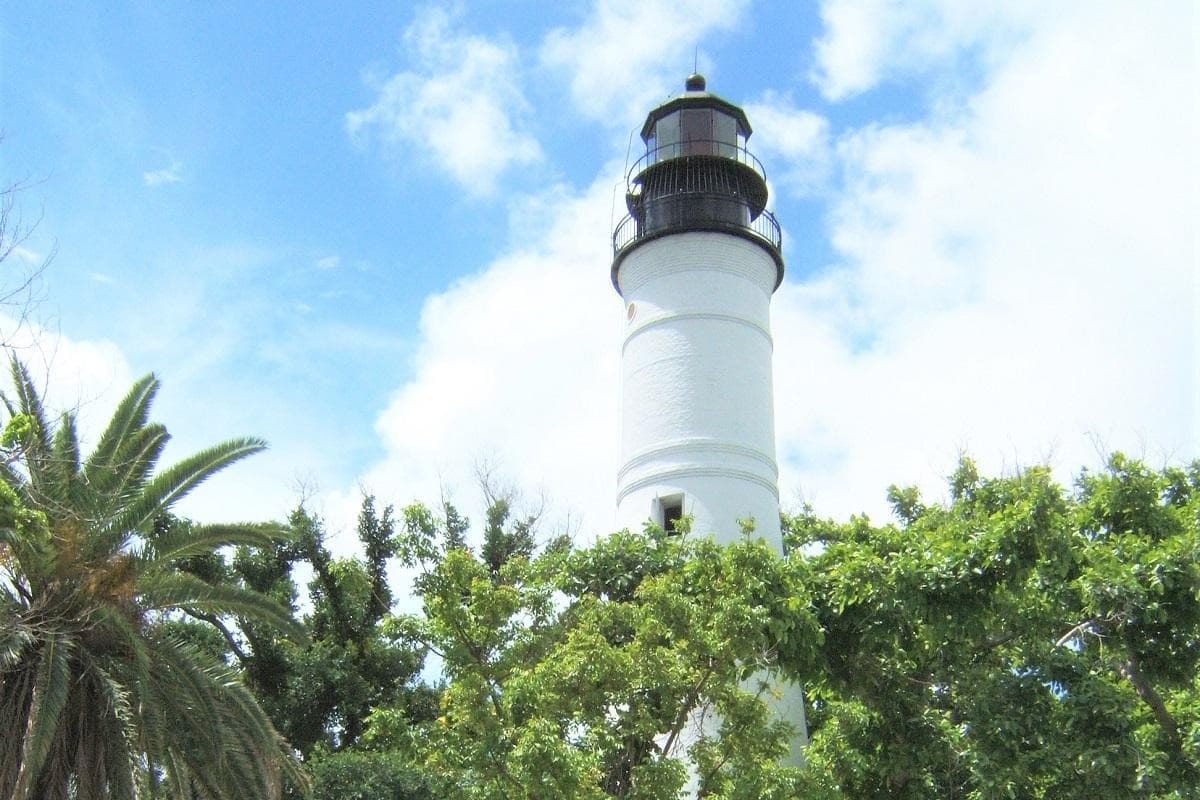
You arrive in Old Town Key West by bicycle or on foot, the pavement still warm from the sun as it slides toward the western rim of the island. A narrow band of sky above the harbor glows like a promise, and there—white and sure against the pastel houses—is the lighthouse, a squat, working sentinel that has been watching ships and storms for generations. It doesn't shout; it holds a calm, lighthouse-kind of authority. This is a place to lean into salt on your skin and history under your soles.
The Key West Lighthouse and Keeper's Quarters Museum is less spectacle than a slow, intimate conversation with the island’s maritime past. From the street, the black-and-white tower is familiar postcard territory. Up close, you see the weathering, the ironwork, the careful small rooms that were once home to keepers and their families. Climb the spiral, count the steps—the tower has 88—and each one feels like a measured beat in a story about navigation, survival, and community on a coral island.
Key West sits on a foundation of fossilized coral and sand, an uplifted skeleton of the ancient reef that makes this stretch of the Florida Straits unique. That geology created the shallow, luminous seas that both invited schooners and made them dangerous: shipwrecking was once a mainstay of the local economy. The lighthouse is an artifact of that era—its light and fog signal kept mariners away from the jagged teeth of reef and shoal. Inside the keeper's quarters, now converted into a museum, exhibits unfold the quieter human side of life at the light: logbooks, photographs, oil lamps, and the domestic objects that reveal how families adapted when a storm might mean weeks without supplies.
The lighthouse sits within a walkable mosaic of Key West attractions. Pair the climb with a Southernmost Key West History and Culture walking tour to place the tower in the island’s wider narrative—of cigar factories, shipwreck salvagers, Cuban influences, and the bohemian communities that made Key West a refuge and a creative engine. Or pick up a Museum Culture Pass to stitch visits to the Keeper's Quarters with the Hemingway Home and the Butterfly Conservatory; together they read like chapters of the island’s biography.
For travelers who want salt and spectacle beyond the town grid, the harbor offers its own curriculum. Late afternoon sunset cruises slice the horizon into gold and crimson, and reef snorkel trips put you face to face with the living barrier reef, a vibrant contrast to the lighthouse’s stone steadiness. Divers, too, can use Key West as a base for eco-conscious reef dives—there’s a continuity between keeping light and keeping reefs: both are acts of stewardship.
Practicality sits comfortably with romance here. The tower climb is short but vertical—88 narrow steps and a tight iron stair that demand steadiness, not speed. Expect about 45–75 minutes for a thorough visit if you browse the museum and linger at the top. The light is fully operational and, on clear days, rewards you with a sweep of harbor, turquoise channel, and the roofs of Old Town—pelicans and the occasional sail punctuating the view. Mornings are cooler and less crowded; late afternoons bring long light for photos, but also heat and busier streets.
Local culture is never far from the lighthouse’s shadow. The island calls itself the Conch Republic with a wink; the people are a mix of long-timers, fisherfolk, artists, and restaurateurs whose cuisines are Cuban- and Caribbean-tinged, with Key lime pie as a civic religion. Small-group walking tours and neighborhood tours through Bahama Village illuminate the human geography—the trades, the migrations, the flavors that made Key West what it is.
If you’re planning a visit: wear comfortable, grippy shoes for the stair, bring a refillable water bottle, and use reef-safe sunscreen. Photography is best on the climb in the softer morning or the hour before sunset; aim for wide-angle shots from the lantern room that include the curve of the harbor and the rooftops below. Combine the lighthouse visit with a snorkeling or dolphin-watching cruise for a day that stitches together land and sea, or time the climb before a walking-tour that threads through Hemingway’s neighborhood and the Cuban sandal shops.
The Keeper's Quarters Museum itself rewards a slow eye: read the names in the logbook and imagine the routine of trimming wick and cleaning glass in hurricane season; examine the small, practical innovations families devised to make island life work. There's a certain discipline to visiting here—less noisy selfie theater, more study. That discipline is part of the charm.
The lighthouse is practical, human, and a beacon for planning. On a smart Key West itinerary it’s a hinge: morning light and stair-climb, then a late-morning museum pass and a leisurely lunch of ceviche or Cuban sandwich. Spend the afternoon in the water—snorkeling the edge of the continental reef, or joining a sunset cruise with sushi and a cold beer—and end the day back onshore with a stroll through Mallory Square’s sunset ritual.
Visiting the Key West Lighthouse refuses to be only picturesque. It rewards anyone who wants to understand how island communities orient themselves to sea and storm, how technology and tenderness combined to keep sailors alive, and how a small place holds a big, layered history. It is, simply put, a short climb with long views—literally and historically—and a practical, memorable way to read the map of Key West by walking it.
Whether you’re a casual traveler learning the island’s contours for the first time or a repeat visitor piecing together deeper layers, the Lighthouse and Keeper's Quarters offer a clear, evocative lens on a place that has always balanced between land and sea.
Trail wisdom
Small choices, better day.
Beat the heat with an early start
Arrive at opening to climb before midday sun and crowds—morning light is also best for photos.
Bring reef-safe sunscreen
If you plan to combine the visit with snorkeling or beach time, use reef-safe sunscreen to protect the Keys’ fragile coral.
Stable footwear for tight stairs
Wear shoes with grip—the spiral staircase is narrow and can feel slippery if you’re in sandals.
Combine with a Culture Pass
Buy the Key West Museum Culture Pass to save time and money and see the Keeper’s Quarters along with other island museums.
Local knowledge
Read the place, not just the route.
Watch for native species including Brown pelican, Green iguana (often seen sunning on stone).
Keep an eye out for wildlife during the transition between areas and habitats. Respect distance guidelines.
Visitors are encouraged to use reef-safe sunscreen, support local conservation-minded dive operators, and stay on paths to protect fragile coastal habitats.
Follow the guide's instructions on size limits, ethical handling, and leave-no-trace practices.
Stroll the small garden behind the keeper’s quarters for quiet views and interpretive plaques. Explore the surrounding Old Town lanes for Cuban sandwich shops and traditional conch-style homes
Locally recommended viewpoints and quiet spots known best to local operators.
The Key West Lighthouse stands as part of the island’s maritime infrastructure connected to shipwrecking, salvage, and the economic history of the Keys.
Maritime roots and regional tradition shape the waterways and working coasts.
Seasonal guide
Four versions of the same landscape.
Spring
Best forMild weather walks · Wildflowers and migratory birds
ChallengesOccasional rain showers · Spring break crowds
Spring brings pleasant temperatures for climbing the tower and walking the Old Town, but expect occasional showers and more tourists during peak weeks.
Summer
Best forSnorkeling and reef dives · Long daylight hours
ChallengesHigh heat and humidity · Afternoon thunderstorms
Summer is ideal for water activities off Key West, though midday heat makes the tower climb sticky—opt for early morning or late afternoon visits.
Fall
Best forQuieter streets · Lower rates on tours
ChallengesHurricane season risk (Aug–Oct) · Unpredictable weather
Fall can be quieter and more affordable, but keep an eye on tropical weather forecasts and flexible plans during hurricane season.
Winter
Best forComfortable sightseeing · Peak festival season
ChallengesHigher lodging prices · Crowds during holidays
Winter is prime for pleasant, sun-dry days and major events—book accommodations early to avoid sold-out weekends.
Pack with intention
What to bring.
Good to know
Common questions.
There are 88 steps to the lantern room; the climb is relatively short but involves narrow, steep stairs.
Plan the edges
The details that make the day easier.
The Key West Lighthouse has 88 steps to the top and historically served as a vital navigation aid for ships threading the nearby reefs.
Key West blends Cuban, Bahamian, and maritime traditions—expect strong coffee, fresh seafood, conch fritters, and Key lime pie, plus vibrant local art and a storytelling culture that celebrates the island’s independent spirit.
- Location
- Old Town Key West. Duration: 45–90 minutes. Bring: water, sunscreen, good shoes. Accessibility: tower not wheelchair accessible. Nearby: Hemingway Home, Mallory Square, Fort Zachary Taylor Beach.
Choose reef-friendly tour operators, use reef-safe sunscreen, and practice Leave No Trace—your choices help protect the living barrier reef and fragile island habitats.
Explore by topic
Follow the threads.
Keep exploring
Make the story part of the trip.
Set out from Bass Harbor for a private, customizable day on Blue Hill Bay — lighthouses, puffins, seals, and the chance to feel Acadia from the water. Small groups, local captains, unforgettable views.
In four hours you can move from shaded canyon ferns to wind-scoured coastal ridgelines, guided by someone who knows where the light—and the hidden views—live. This private half-day hike on the Monterey Peninsula or Big Sur is compact, curated, and perfect for travelers who want depth without a multiday commitment.
 Related story
Beneath a sky of shifting light, Skaftafell’s ice reads like a map of time. This three-hour guided glacier hike mixes technical instruction with geology and culture: compact, safe, and unforgettable.