
What the day feels like
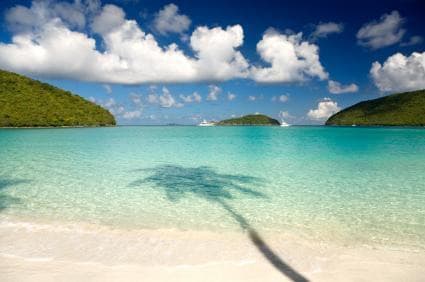
When the ferry slips into Cruz Bay and the heat shivers off the deck, Maho Bay waits like a soft exhale on the north shore of St. John. Walk the short, sandy path from the roadside pullout and the beach opens — a wide crescent of powder sand cupped by low green hills and a water table that graduates from pale aquamarine to impossibly deep blue. Here the sea doesn't shout; it invites. Sea grass beds wave like meadow grass beneath the surface, and if you're patient and quiet you will see the bay's most famous residents—green sea turtles—nip and glide through the shallows with the slow confidence of creatures who have outlived storms and hurricanes and tourism cycles.
Maho Bay is simple geography with complicated value. Geologically, it's a coral-fringed embayment that has collected sand and seagrass in gentle currents; its shallow slope and clear visibility are ideal for snorkelers and for the turtles that graze here. The bay sits inside Virgin Islands National Park, which protects much of St. John's shoreline and offshore reefs. That protection matters: the combination of protected seagrass, a series of offshore reefs, and strict no-anchoring practices in many spots means this area still supports healthy marine life—turtles, parrotfish, wrasse, and a thousand small iridescent companions that flicker through coral heads.
The human story is layered too. Long before visitors arrived by ferry and charter, the Arawak and later European settlers used these coves for fishing and washing. The National Park, created in the 1950s, changed the island's trajectory, preserving shoreline and reefs that might otherwise have been built over. Today, small businesses in Cruz Bay and the handful of tour operators out of St. John and St. Thomas craft experiences here: half-day snorkeling runs, afternoon pizza-and-sunset catamaran parties, and private full-day charters that can stitch together stops at Maho, nearby cays, and the quieter stretches of the park. Popular bookable experiences include Maho Bay Turtle Snorkel with Lunch and Bar at Frenchman's Reef, St. John Luxury Catamaran Turtle Snorkel and Cays Full Day, and a range of private full-day power catamaran and sailing charters for groups who want control of pace and itinerary.
What Maho gives you is straightforward: shallow water that makes snorkeling accessible, abundant turtles that tolerate human presence when approached responsibly, and a shoreline that can be as social or as solitary as you want. The snorkeling is not always about dramatic drop-offs or cavern systems; it's about gentle observation—floating above seagrass like an audience in a theater, watching turtles methodically graze, occasionally rolling to expose a white belly and an eye that seems to take you in without hurry.
Practicalities matter. The bay is shallow—often 3 to 20 feet deep across most snorkeling zones—and visibility is best on mornings when trade winds are light. Currents are generally mild but can pick up when the swell increases; on windy days stick closer to shore or join a guided trip that knows the safest moorings. Many boat operators use National Park moorings to protect the reef from anchors; if you go independently, look for and use mooring buoys when present. If you plan to snorkel from shore, expect a short walk from the roadside to the beach and limited parking at the pullouts—arrive early in high season.
Choosing a way to experience Maho is part practical and part mood. For first-timers or those who like structure, a guided option such as the Maho Bay Turtle Snorkel with Lunch and Bar at Frenchman's Reef or the St. John Luxury Catamaran Turtle Snorkel and Cays Full Day gives you equipment, a captain who knows the best tide and wind windows, and a backup plan if conditions change. For groups who want privacy and pace, a Full Day Private Charter, Snorkel St. John (12 guests, 55' yacht) or a private power catamaran gives flexibility to chase calm water, stop at a quiet cay for lunch, or linger with a snorkeling site that is firing that day.
Packing and preparation are small and significant: reef-safe sunscreen, a well-fitting mask, and a reef deflector vest if you're not a confident swimmer will make the day more comfortable. Respect is the rulebook—observe turtles at a distance, don't chase or touch them, and never stand on coral. Your behavior is the difference between an encounter that feels magical and one that stresses wildlife.
For photographers, the bay's low-angle afternoon light and the contrast between pale sand and deep water make for forgiving compositions. A snorkel mask with an integrated camera mount or a small, waterproof camera will return the best images of turtles against seagrass beds. On land, a wide-angle lens captures the sweep of the bay and the low green ridges that frame it.
Maho is easy to romanticize, and it deserves that. But part of the pleasure here is pragmatic: beaches like this are rare in the world of developed coastlines, and they endure because of rules, local knowledge, and the choices of visitors. Come prepared, choose a provider that uses mooring buoys and practices reef-friendly operations, and leave the place as you found it—or quieter. The turtles will keep grazing, the water will continue to polish the sand, and, if you are still when the sun drops and the heat slides away, you'll understand why so many people return.
Trail wisdom
Small choices, better day.
Arrive early
Parking and beach space fill quickly—get there before 9am to secure a spot and the calmest water for snorkeling.
Use reef-safe sunscreen
Apply biodegradable sunscreen and let it absorb ashore before entering the water to protect coral and seagrass.
Respect the turtles
Observe turtles from a distance, avoid touching or trapping them between you and a reef, and never feed wildlife.
Opt for a guided trip if unsure
Local captains know the safest moorings, best tide windows, and where turtles are reliably spotted.
Local knowledge
Read the place, not just the route.
Watch for native species including Green sea turtles, Parrotfish.
Keep an eye out for wildlife during the transition between areas and habitats. Respect distance guidelines.
Operators often use park mooring buoys to avoid anchor damage; using reef-safe products and following no-touch rules helps sustain reef health.
Follow the guide's instructions on size limits, ethical handling, and leave-no-trace practices.
Kayak the mangrove channels east of the bay for quiet wildlife viewing. Walk the short trail to the small west headland for a low-key sunset vantage point
Locally recommended viewpoints and quiet spots known best to local operators.
Maho Bay lies within Virgin Islands National Park, established in 1956 to protect St. John’s shoreline and reefs.
Maritime roots and regional tradition shape the waterways and working coasts.
Seasonal guide
Four versions of the same landscape.
Spring
Best forCalm seas · Spotting juvenile turtles
ChallengesVariable winds mid-spring
Spring brings warming water and good visibility; mornings are especially calm for snorkeling before trades build in the afternoon.
Summer
Best forWarm water · Long beach days
ChallengesHigher humidity and occasional afternoon showers
Summer offers warm, inviting water but prepare for stronger sun and sporadic squalls; early starts are best for glassy conditions.
Fall
Best forLower crowds in early fall · Off-peak charter rates
ChallengesHurricane season peaks between August and October
Fall can be quieter and affordable, but check hurricane forecasts and flexible cancellation policies before booking.
Winter
Best forCalmest water days · Peak visibility
ChallengesHigher visitor numbers · Higher prices
Winter is the island's high season: stable trade winds, excellent visibility, and more charter options—book ahead.
Pack with intention
What to bring.
Good to know
Common questions.
Yes—turtles often feed in the bay's seagrass; observe from a distance and never touch or chase them to avoid stressing wildlife.
Plan the edges
The details that make the day easier.
Maho Bay is within Virgin Islands National Park, which was established in 1956 and protects nearly two-thirds of St. John and extensive offshore reef systems.
After the water, sample island flavors in Cruz Bay—locally made rum cocktails like the Painkiller, fresh fish tacos, and shorefront bakeries. Many charters stop at family-run restaurants where you can taste true island hospitality.
- Getting there
- 10–20 minute drive from Cruz Bay. Facilities: minimal at the beach. Best time: early morning for calm water. Safety: use reef-safe sunscreen and respect marine life.
Choose operators that use National Park mooring buoys, avoid single-use plastics, and enforce no-touch rules to minimize impact on fragile reefs and seagrass beds.
Explore by topic
Follow the threads.
Keep exploring
Make the story part of the trip.
Set out from Bass Harbor for a private, customizable day on Blue Hill Bay — lighthouses, puffins, seals, and the chance to feel Acadia from the water. Small groups, local captains, unforgettable views.
In four hours you can move from shaded canyon ferns to wind-scoured coastal ridgelines, guided by someone who knows where the light—and the hidden views—live. This private half-day hike on the Monterey Peninsula or Big Sur is compact, curated, and perfect for travelers who want depth without a multiday commitment.
 Related story
Beneath a sky of shifting light, Skaftafell’s ice reads like a map of time. This three-hour guided glacier hike mixes technical instruction with geology and culture: compact, safe, and unforgettable.