
What the day feels like
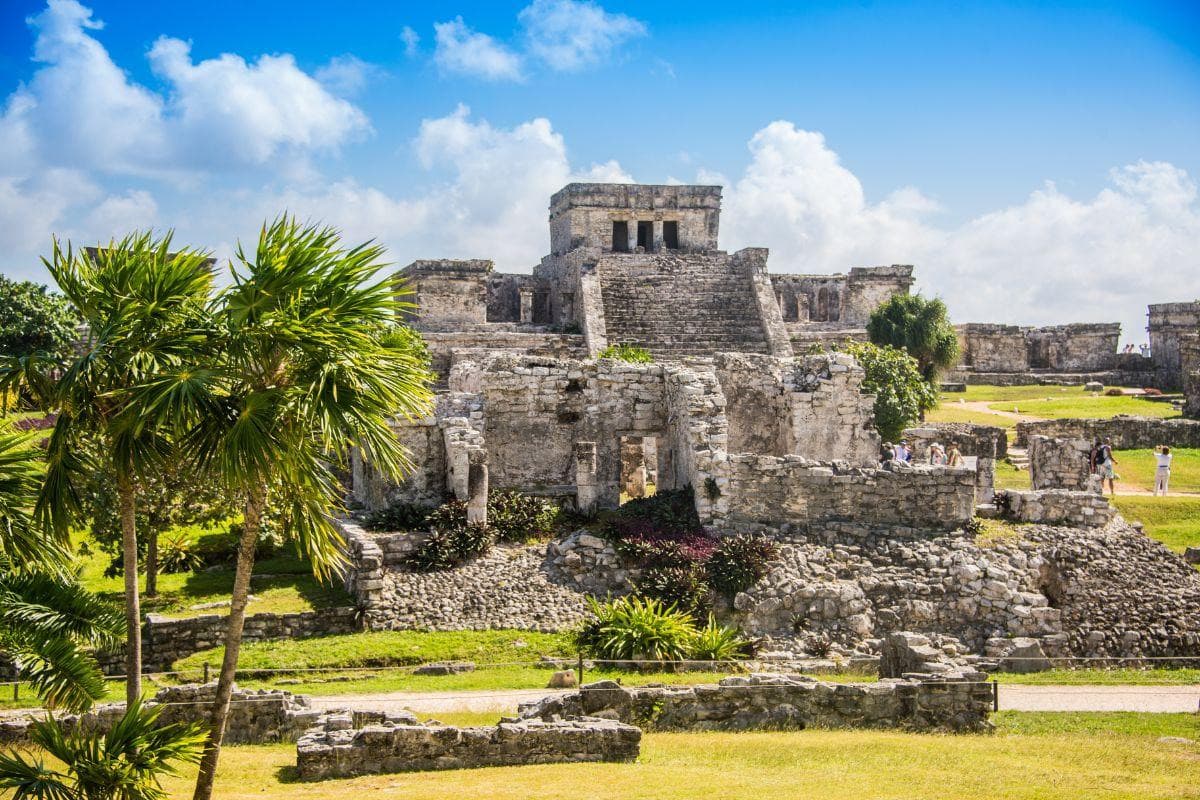
By the time the gate opens, the Caribbean has already begun to wake. Salt on the air tastes like history and possibility. You walk over a low, sun-warmed limestone wall and the Castillo appears—square-faced and weathered, a sentinel set on a cliff that drops into water so impossibly clear it registers as a color rather than a sight. Waves below slap the shore like a reminder: this was never simply a city; it was a harbor of ideas and goods, a place where the Maya met the ocean.
Tulum Archeological Site occupies a rare intersection where sea, stone and human story meet. The ruins sit on a narrow finger of land facing east, backed by scrub and lagoon and fronted by sky that changes from milky turquoise to cobalt over the course of a morning. The architecture is handsomely practical—low, wind-abashed buildings, narrow stairways, and a fortified perimeter that gave the place its modern name. In the centuries after 1200 CE, as larger inland centers waned, Tulum remained a hub—an active port and trading post transmitting turquoise, salt, textiles and ideas along coastal routes.
Geology shapes the experience at every turn. The Yucatán is a karst platform—soluble limestone riddled with subterranean rivers. Where roofs collapsed, cenotes formed: sinkholes filled with water that were vital to Maya life and ritual. Above ground, wind and sea have sanded the buildings into their present, severe contours. Across the reef that runs parallel to the coast, the Mesoamerican Barrier Reef shelters a different world of corals, fish and the green turtles that still come to forage along the shallows. That reef and those cenotes mean Tulum is not one attraction but a network of ecosystems you can move through in a day.
The cultural layer is no less textured. Tulum’s walls—"tulum" is Yucatec Maya for "wall"—were both defense and statement. The frescoed interiors and carved stonework indicate a community fluent in astronomy and trade, a society that read tides and stars to move goods and schedule rituals. Today, local Mayan communities, tour guides and artisans continue to offer context and crafts—huipil blouses, stone-carved figures, and stories threaded through guided tours that bring nuance to what can otherwise be a postcard view.
The paradox of attractions like Tulum is that access is part blessing, part pressure. The site’s fame means crowds by midday and strict rules to protect fragile ruins and reef. That’s why an early-access or private visit is worth the premium for many travelers: you get the soft light, the hum of the surf, and a guide whose job is to translate stones into narrative rather than rush you down a set path. Full-day combos—pairing Tulum with a cenote swim, a climb at Cobá, or snorkeling with turtles in Akumal—turn a single visit into a layered day of geology, wildlife and culture.
Practicalities that matter on the ground are not glamorous but they decide whether you come away exhilarated or exhausted. Expect walkable distances—roughly 1–2 kilometers of paths across uneven limestone and sand, with short stone steps and occasional narrow passageways. The terrain is not steep, but it is exposed: shade is scarce near the main cliffside structures. Wear sturdy sandals or light hiking shoes; breathable clothing, reef‑safe sunscreen, a broad hat and a refillable water bottle are essential. If you plan to hop from ruins to a cenote or snorkel site, pack swimwear and quick-dry layers under your clothes for seamless transitions.
Timing is tactical. Sunrise or the hour after opening give the best light and the fewest people. Guided half-day tours typically last 1.5–3 hours; full-day combos run six to ten hours depending on transfers. If a guided experience is appealing, look for options that include skip-the-line access or private transport—especially in high season (December–April), when hotels along the coast and day-trippers from Playa del Carmen and Cancún swell visitor numbers.
Conservation belongs in the itinerary. The reef is fragile and cenotes are sacred freshwater reserves; choose operators that emphasize low-impact snorkeling practices, ban single-use plastics, and require reef-safe sunscreen. Respect roped-off sections of the site—those limits aren’t for photography angles, they’re for preservation.
There’s a simple reward to this careful approach. Stand at the Castillo and watch the Caribbean push and pull—the tide can feel like a living map. Walk the low plaza and touch a carved lintel, imagining the hands that set it there. Swim in a cenote after the ruins and feel the cool, ancient water steady the heat that the sun has put on your neck. End the day in town with a bowl of sopa de lima and a cold beer, trading notes about the day with an indifferent sky.
For travelers who want both scenes and context, Tulum is an elegantly compact study in contrasts: wind-smoothed stone and living reef; walls built for defense and an open culture that traded widely. With the right planning—early access, a reef-conscious guide, and a rhythm that balances time on land with time in the water—you’ll leave with more than photos: you’ll have a precise sense of why this cliffside city mattered, how the ocean shaped its fortunes, and where the living culture around it continues to evolve.
Trail wisdom
Small choices, better day.
Arrive early
Beat the heat and crowds by arriving at opening time or booking an early-access tour to enjoy the Castillo and beachfront views in quiet light.
Bring reef‑safe sunscreen
The nearby reef and beaches are sensitive—use reef-safe sunscreen and avoid applying it before entering the water to protect coral and marine life.
Wear sturdy footwear
Paths are uneven limestone and sand; light hiking shoes or closed-toe sandals make the site far more comfortable.
Combine experiences wisely
Pair your ruins visit with a cenote swim or Akumal turtle snorkel on a full-day tour to maximize travel time and variety.
Local knowledge
Read the place, not just the route.
Watch for native species including Green sea turtles (near Akumal), Tropical fish and rays on the nearby reef.
Keep an eye out for wildlife during the transition between areas and habitats. Respect distance guidelines.
Visitor limits, private guided access options, and reef-safe-sunscreen policies are increasingly used to protect the ruins, cenotes and reef; choose operators who prioritize these practices.
Follow the guide's instructions on size limits, ethical handling, and leave-no-trace practices.
Early-access mornings for quiet cliff swims at isolated coves. Nearby cenotes with caverns—opt for guided cenote tours to explore safely
Locally recommended viewpoints and quiet spots known best to local operators.
Tulum flourished as a coastal port during the Postclassic Maya period (c. 1200–1521 CE) and served as a key trading and ceremonial center tied to maritime routes.
Maritime roots and regional tradition shape the waterways and working coasts.
Seasonal guide
Four versions of the same landscape.
Spring
Best forfewer crowds than winter · wildflowers and green scrub · combining with cenote swims
Challengesincreasing humidity · occasional showers by late spring
Late spring warms up and humidity rises; mornings are still pleasant, making it a good time for early visits and cenote dips.
Summer
Best forlow hotel prices · reef snorkeling · long daylight hours
Challengeshigh heat and humidity · afternoon thunderstorms · more mosquitos
Summer is hot and wet with frequent afternoon storms—plan early starts and keep a lightweight rain layer.
Fall
Best forquiet trails after summer · good cenote water levels · photography of storm-swept skies
Challengeshurricane season peaks (Aug–Oct) · possible closures or rough seas
Fall can be atmospheric and less crowded but be mindful of tropical storms and check weather advisories if traveling between August and October.
Winter
Best fordry weather and blue skies · peak snorkeling visibility · high season cultural events
Challengeslarger crowds and higher prices · book tours and hotels early
Dry winter months (Dec–Apr) offer ideal weather for ruins, reef and cenotes—but the site is busiest, so early-access tours are valuable.
Pack with intention
What to bring.
Good to know
Common questions.
Arrive at opening or book an early-access tour to avoid crowds and midday heat—late afternoon is another good window for softer light.
Plan the edges
The details that make the day easier.
Tulum is one of the few known Maya sites built with defensive walls; its name in Yucatec Maya means 'wall' and it functioned as an important Postclassic coastal trading port.
Sample regional Yucatán food—ceviche, cochinita pibil and marquesitas—visit artisan stalls in Tulum town for woven huipils and hand-carved souvenirs.
- Nearest town
- Tulum (5–10 min from town center by car); typical visit: 1.5–3 hours; best time: sunrise; book: early-access or combo tours to skip lines.
Choose operators that enforce reef-safe sunscreen, limit group sizes, and support local conservation initiatives; avoid single-use plastics and adhere to site rules to minimize impact.
Explore by topic
Follow the threads.
Keep exploring
Make the story part of the trip.
Set out from Bass Harbor for a private, customizable day on Blue Hill Bay — lighthouses, puffins, seals, and the chance to feel Acadia from the water. Small groups, local captains, unforgettable views.
In four hours you can move from shaded canyon ferns to wind-scoured coastal ridgelines, guided by someone who knows where the light—and the hidden views—live. This private half-day hike on the Monterey Peninsula or Big Sur is compact, curated, and perfect for travelers who want depth without a multiday commitment.
 Related story
Beneath a sky of shifting light, Skaftafell’s ice reads like a map of time. This three-hour guided glacier hike mixes technical instruction with geology and culture: compact, safe, and unforgettable.