
What the day feels like
The boardwalk pitches upward before you notice the change in the forest. One minute you’re under a cathedral of black spruce and birch; the next you’re shoulder-to-shoulder with the canopy, the wind speaking through needles and leaves as if over a sea. Below, the woods keep their secrets—beaver ponds flicker with movement and a loon calls once, long and clean—and above, the Wild Walk at the Tupper Lake Wild Center gives you a new vantage on the Adirondacks, a chance to meet this place on its own terms.
Perched in the heart of the Adirondack Park, the Wild Center is less a museum and more a scaffolded conversation between people and the landscape they’ve long depended on. The center’s indoor exhibits provide close-up encounters with native species and the region’s natural history; outside, a network of trails, wetlands, and the treetop Wild Walk spells out the story of water, rock, and the slow work of ice and forest. Here you can feel geology as much as read it: the rounded, glacially-polished bedrock beyond the lawns; kettle ponds scattered like memory-holes; the long, folded ridges of the high peaks pressing the horizon.
History sits subdued in the design. The Wild Center opened to the public in 2006 as a place to teach Adirondack ecology in a hands-on way; later outdoor expansions brought visitors into the canopy and across wetlands where naturalists lead programs on owls, salamanders, and the region’s famously shy moose. Towns like Tupper Lake grew up around timber and rail; now they welcome a different kind of visitor—the curious day-tripper, the family with a packed lunch, the photographer chasing light at golden hour. In all seasons, the center’s mission threads through the experience: to connect people to northern forest ecosystems and their conservation.
The terrain is honest but accessible. Expect boardwalks and packed dirt trails with short climbs and stairways up onto viewing platforms. Most outdoor loops can be done in 1–3 hours at an easy pace, though you’ll want to add time if you’re joining a guided program or staking out a loon on a pond. The Wild Walk rises into the canopy with platforms and suspension sections that make the treetops feel immediate—bring a steady footing and a head for heights if you plan to linger on the highest overlooks.
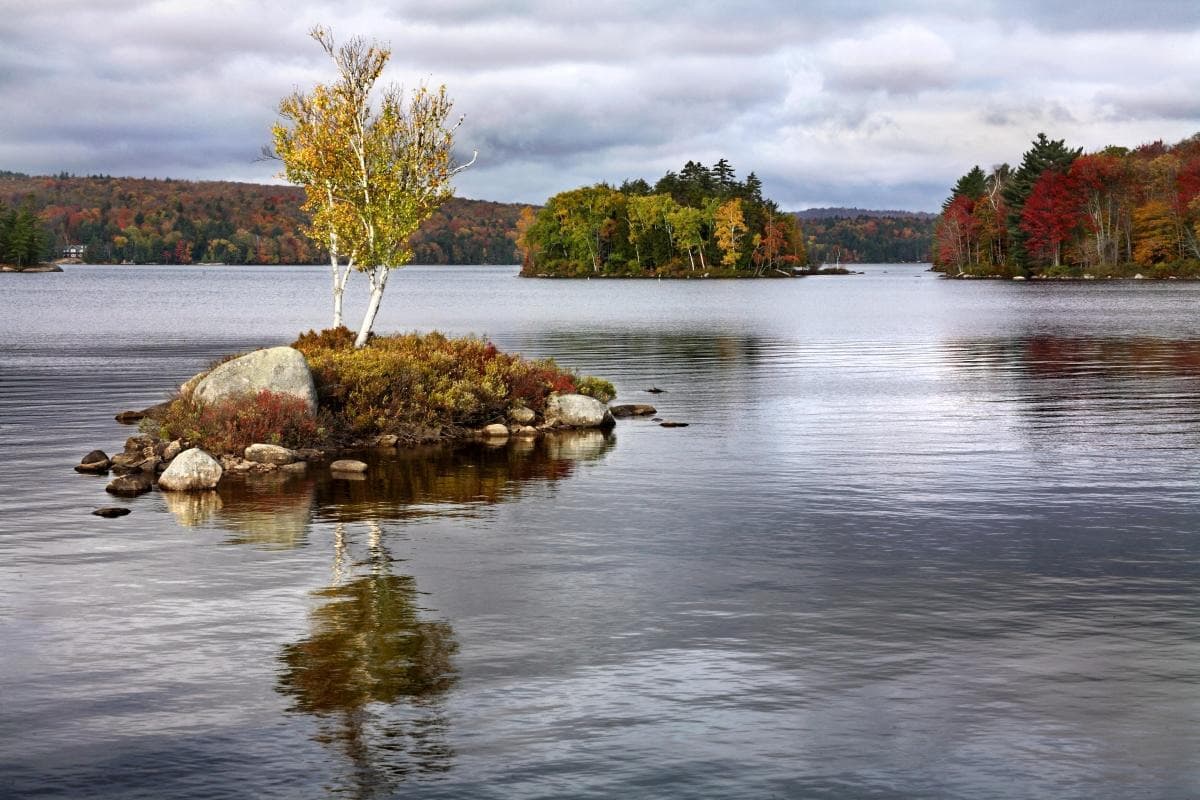
What makes the Wild Center special isn’t just its exhibits but the way it threads activity and curiosity together. Naturalists lead amphibian hunts at dusk and live-animal encounters midafternoon. Canoe trips and lake-facing trails let the water do the inviting: it dares you to slow down, to notice the surface ripple that marks a fish or an otter’s path. In autumn the place becomes a lens for leaf-peeping—the broad sweep of sugar maples and red oaks ignites the ridgelines—and photographers come for the reflected color in the ponds.
Practical notes matter here. The Wild Center is family-friendly and deliberately accessible: many indoor exhibits and some outdoor paths are wheelchair-compatible, but the elevated Wild Walk includes stairs and narrower connectors that can be uneven. Parking is available for day visitors; in summer and fall you’ll want to arrive early (or late afternoon) to avoid crowds and catch better light. In shoulder seasons, check hours—winter programming is scaled back, and some outdoor features may be closed when deep snow arrives.
Gear and preparation are straightforward: sturdy shoes for muddy boardwalks, a waterproof jacket, insect repellent in summer, and a pair of binoculars for early-morning wildlife. Hydration matters—there aren’t long stretches of services once you leave town—so carry a refillable bottle. If you have time, pair a morning at the Wild Center with a picnic or a short paddle on a nearby lake: the Adirondack rhythm rewards slow movement.
What you’ll leave with is a different scale of attention. The Wild Center makes you look closely—at a tadpole’s belly, at water beads beading on a fern frond, at the architecture of an owl’s feather—then folds that attention back into a broader picture of mountains, ponds, and people. It’s the kind of place that nudges you into stewardship: you come for the views and stay thinking about what keeps them intact.
For travelers who want an accessible but richly natural adventure—the sort that blends a bit of science, a bit of wonder, and a lot of walking—Tupper Lake’s Wild Center is a practical, unforgettable gateway to the Adirondacks. Whether you time your visit for the neon rush of fall or the slow green of early summer, plan to leave with mud on your boots and a new sense of how this northern forest speaks.
Length & Planning Summary: Expect 1–3 hours for a self-guided visit; allocate half a day to combine exhibits, the Wild Walk, and a short trail or canoe outing. Bring layered clothing, binoculars, and a water bottle. Arrive early in peak season for parking and better light; check the center’s program schedule if you want a guided animal encounter or evening program.
Trail wisdom
Small choices, better day.
Start early
Arrive at opening to beat crowds, get quieter wildlife sightings and softer morning light for photos.
Layer for changing conditions
Canopy exposure and wetlands can be much cooler or damper than the roadside—pack a lightweight waterproof shell.
Respect viewing distances
Use binoculars for wildlife—moose and nesting birds are sensitive to disturbance.
Plan for mud and insects
Sturdy, water-resistant footwear and DEET-free repellent will keep you comfortable on boardwalks and trails.
Local knowledge
Read the place, not just the route.
Watch for native species including Moose, Common loon.
Keep an eye out for wildlife during the transition between areas and habitats. Respect distance guidelines.
The Wild Center focuses on regional ecology and education; visitors are encouraged to follow Leave No Trace principles and support local conservation programs.
Follow the guide's instructions on size limits, ethical handling, and leave-no-trace practices.
Early morning loon-watching on the nearby ponds. Short forest trails that reveal beaver activity and bog plant communities
Locally recommended viewpoints and quiet spots known best to local operators.
Opened in 2006, the Wild Center was created to interpret Adirondack natural history through hands-on exhibits and outdoor experiences.
Maritime roots and regional tradition shape the waterways and working coasts.
Seasonal guide
Four versions of the same landscape.
Spring
Best forSpring ephemerals · Amphibian-watching · Migratory birds
ChallengesMud on trails · Chilly mornings · Variable hours
Expect melting snow, muddy boardwalks and a surge of breeding activity—great for frogs and warblers but bring waterproof boots.
Summer
Best forFamily programs · Canoeing and ponds · Wildflower displays
ChallengesBugs and humidity · Peak visitor numbers · Afternoon thunderstorms
Full programming and long daylight; go early to avoid crowds and swatting insects in the afternoon.
Fall
Best forLeaf-peeping · Photography · Cool, crisp hikes
ChallengesShorter daylight · Weekend crowds in peak foliage · Chilly mornings
Arguably the best time to visit—brilliant foliage and clear skies—but book your weekend around peak leaf dates.
Winter
Best forQuiet trails · Snowshoeing near the center · Winter photography
ChallengesLimited hours · Snow-covered boardwalks · Some outdoor features closed
Winter has a hush and excellent light, but check ahead for closures and prepare for deeper snow and cold.
Pack with intention
What to bring.
Good to know
Common questions.
Most visitors spend 1–3 hours exploring indoor exhibits and the main outdoor trails; add time for programs or a paddle to make it a half-day.
Plan the edges
The details that make the day easier.
The Wild Center opened in 2006 and later expanded its outdoor experience with the Wild Walk treetop trail, designed to bring visitors into the forest canopy.
Tupper Lake’s small downtown offers Adirondack staples—maple products, smoked trout and hearty diners—paired with the region’s warm, practical hospitality.
Follow Leave No Trace, avoid feeding wildlife, and consider supporting the Wild Center’s educational programs to further local conservation efforts.
Explore by topic
Follow the threads.
Keep exploring
Make the story part of the trip.
Set out from Bass Harbor for a private, customizable day on Blue Hill Bay — lighthouses, puffins, seals, and the chance to feel Acadia from the water. Small groups, local captains, unforgettable views.
In four hours you can move from shaded canyon ferns to wind-scoured coastal ridgelines, guided by someone who knows where the light—and the hidden views—live. This private half-day hike on the Monterey Peninsula or Big Sur is compact, curated, and perfect for travelers who want depth without a multiday commitment.
 Related story
Beneath a sky of shifting light, Skaftafell’s ice reads like a map of time. This three-hour guided glacier hike mixes technical instruction with geology and culture: compact, safe, and unforgettable.