
What the day feels like
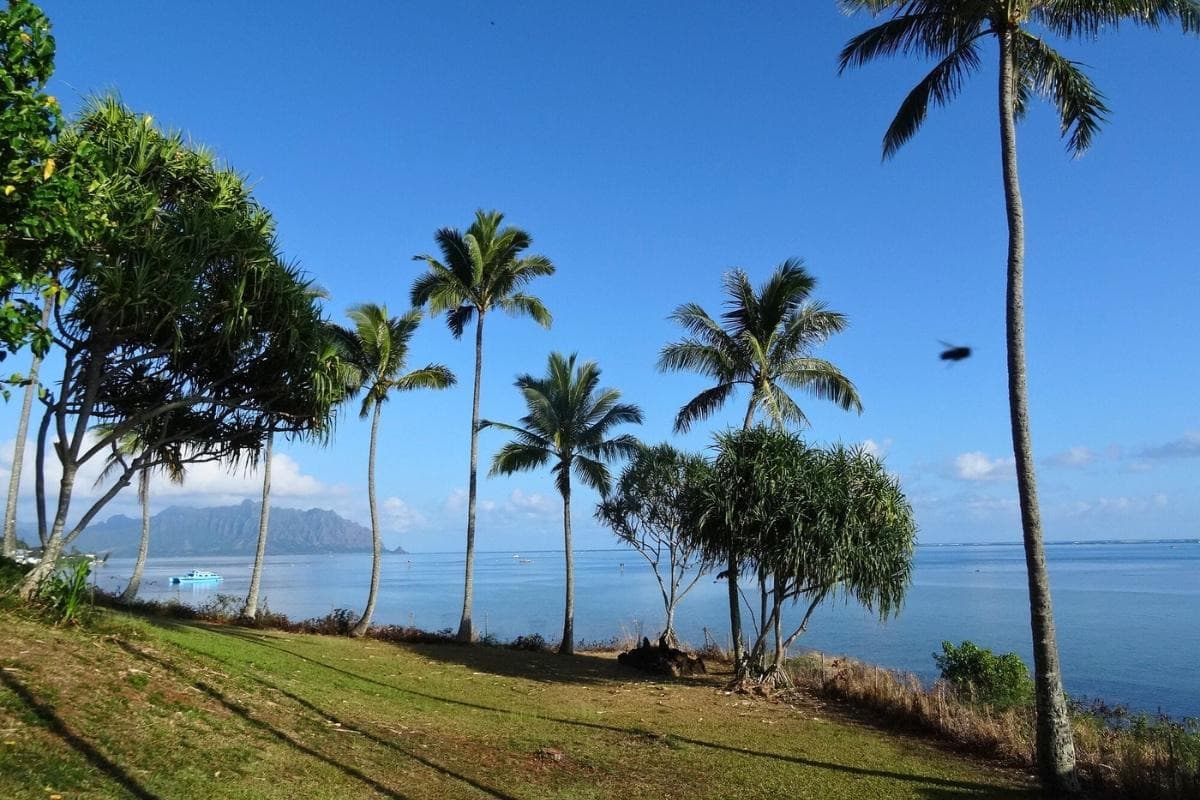
By the time the rental car eases off Kamehameha Highway and the clutter of Honolulu thins, the windward side of Oahu opens like a found map: a broad, luminous bay framed by steep, green ridgelines. Pull into He'eia State Park and the first thing you notice is the water—Kaneohe Bay spreading shallow and glassy, dotted with reef breaks and the long, curving outline of an ancient fishpond that feels less like a historical artifact and more like a living neighbor. The pond’s low, stone wall—an engineered shoreline called a loko iʻa—sits between the sand and the sea, a subtle, quiet defiance of time that taught Hawaiians to farm fish centuries before modern aquaculture existed.
He'eia is not a mountain ascent or a long coastal scramble; its gravity is cultural and ecological. You come for close perspective: the interplay of tide and stone, of community stewardship and the everyday work of restoring an ecosystem. Kids hover along the pond edge, elders point to eelgrass beds, and volunteers in Paepae o Heʻeia shirts—if your visit coincides—move through the shallows like caretakers of a public memory. The place feels patient; the land and water speak in low, long rhythms.
Geologically, the park is a product of the Koʻolau Volcano’s eroded slopes, which ring the eastern shore of Oahu in steep ridgelines and sheltered bays. The fishpond itself is a reminder that these currents of rock and water were skillfully worked by people who read the tides. Historically, He'eia was a hub of productive coastal life: taro loʻi inland, canoe landings along the shore, and fishponds shaping diet and ritual. Today, a mixture of state stewardship and nonprofit-led restoration has revived both habitat and interest—He'eia Fishpond is a rare surviving example of Hawaiian aquaculture and an active classroom for cultural practices.
There are practical ways to fold He'eia into an Oahu itinerary. For visitors pressed for time, the East Honolulu and Windward Island Specialty Tour includes a stop at He'eia State Park that pairs the pond’s quiet with the high drama of Makapuʻu Point and the sugar-soft beaches of Lanikai and Sandy’s. The Oahu Off the Beaten Path Small-Group Tour leans into spiritual sites and local stories, making He'eia an important cultural waypoint rather than a quick photo stop. Even honeymooners find a soft edge of romance here—guides on the Oahu Private Honeymooners and Lovers Tour often time their visit for sunset light over the bay, when the pond’s wall becomes a silhouette stacked against the tide.
On the ground, the walk around the pond and the short shoreline paths are flat and accessible—this is an easy, low-impact experience that rewards slow observation more than speed. Expect sandy patches, a few muddy sections after rain, and boardwalks in places where saltwater has tested the shore. The park is best experienced early in the morning when light cleans the water and wind is still finding its rhythm; late afternoon brings softer photography and cooler breezes.
Practicalities: there’s parking and picnic facilities, but amenities are limited—pack water, reef-safe sunscreen, and mosquito repellent. Footwear can range from sandals to trail shoes; if you plan to walk more of the surrounding shoreline or explore the wet edges of the pond, lightweight shoes that can handle slick rock and muck are sensible. Respect posted signs and cultural sites: many areas are stewarded by local groups and used for educational programs.
If you’re plotting your day, pair He'eia with a scenic loop drive up the windward coast. From the park you can see the broad bay toward the Mokoliʻi silhouette—one of the island’s enduring icons—and the jagged ridgeline that cuts like a serrated spine above the valley. Tour operators who include He'eia in their route often expand context by stopping at Byodo-In Temple for a quiet, reflective break or finishing at the Pali Lookout to pass through the historical site of the Nuʻuanu Battle—these stops let you stitch natural history to human narrative.
For the curious traveler who wants to dig deeper: several volunteer restoration days at He'eia invite visitors to learn about native plantings, taro cultivation, and fishpond management. Observe, ask questions, and carry home a deeper awareness of how these coastal systems function—and how fragile they can be under pressure from development, runoff, and invasive species.
He'eia’s appeal is deliberate and layered. It’s a place that rewards a patient walk, thoughtful listening, and an hour spent watching water move through a manmade constriction that nevertheless feels integral to the bay’s ecology. Come with a camera, come with curiosity, and leave something light—lip balm, a note of thanks, or a willingness to support the people keeping the pond alive.
The practical edge: aim for morning light, pack hydration and sun protection, and consider a guided tour if you want historical context without navigation. He'eia is not about a single dramatic summit view; it’s about an ancient practice that still shapes the shore. Once you’ve seen the pond and felt the tide’s patience, you’ll understand why this modest corner of Windward Oahu often becomes the quiet reason travelers remember the island.
Trail wisdom
Small choices, better day.
Go early for calm water and soft light
Morning visits reduce wind and glare on Kaneohe Bay and make the pond’s edge easier to explore.
Wear shoes that can get muddy
Shoreline paths and the fishpond edges can be slick or muddy after rain—lightweight trail shoes are ideal.
Bring reef-safe sunscreen and water
There are limited shade and facilities; protect skin and stay hydrated while you explore.
Respect restoration areas
Follow signs and avoid trampling planted taro or fishpond walls; many areas are managed by community groups.
Local knowledge
Read the place, not just the route.
Watch for native species including Wedge-tailed shearwaters (seasonal seabirds), Hawaiian monk seals occasionally seen offshore, though rare.
Keep an eye out for wildlife during the transition between areas and habitats. Respect distance guidelines.
Restoration efforts are led by community groups working to rebuild native habitat and improve water quality; visitors are asked to minimize impact and follow guidance.
Follow the guide's instructions on size limits, ethical handling, and leave-no-trace practices.
Stroll the small, grassy knoll just above the pond for unobstructed views of Kaneohe Bay and coral flats. Visit nearby He'eia Kea small-boat launch at low tide to observe local fishing and canoe activity
Locally recommended viewpoints and quiet spots known best to local operators.
He'eia Fishpond is a traditional Hawaiian loko iʻa—an engineered aquaculture system that supported coastal communities for centuries.
Maritime roots and regional tradition shape the waterways and working coasts.
Seasonal guide
Four versions of the same landscape.
Spring
Best formild weather · birdwatching · volunteer restoration events
Challengesoccasional rain showers · muddy trails after storm runoff
Spring offers comfortable temperatures and active restoration programs—expect some rain but excellent wildlife activity.
Summer
Best forcalm seas for photography · pairing with beach visits · long daylight hours
Challengesstrong midday sun · more visitors on weekends
Summer brings long, bright days and calmer seas; start early to avoid heat and crowds.
Fall
Best forlighter crowds · good surf viewing offshore · cultural programs
Challengesincreased trade winds some afternoons · sporadic storms
Fall balances comfortable temperatures with fewer tourists—winds can pick up in the afternoons.
Winter
Best fordramatic skies · storm-watching over the bay · seasonal bird migrations
Challengeshigher rain chances · rougher ocean conditions
Winter can be wet and windy but delivers dramatic light and active coastal dynamics—dress for rain and wind.
Pack with intention
What to bring.
Good to know
Common questions.
He'eia State Park is generally free to enter; parking and facility availability can vary—check current state park notices before you go.
Plan the edges
The details that make the day easier.
He'eia Fishpond is one of the last remaining traditional Hawaiian fishponds and has been the focus of community-led restoration efforts to revive ancient aquaculture practices.
Windward Oahu retains a strong community rhythm: local taro farms, canoe clubs, and fishpond stewards are visible signs of living culture—sample poke from food trucks nearby and listen for Hawaiian language place names used in everyday conversation.
- Where
- He'eia State Park, Windward Oahu. Getting there: 30–45 minute drive from Waikiki. Parking: limited, early arrival recommended. Facilities: basic restrooms, picnic areas. Accessibility: flat paths, some boardwalks.
Support local stewardship by following signage, avoiding trampling restoration zones, and considering donating time or funds to Paepae o He'eia or similar community organizations.
Explore by topic
Follow the threads.
Keep exploring
Make the story part of the trip.
Set out from Bass Harbor for a private, customizable day on Blue Hill Bay — lighthouses, puffins, seals, and the chance to feel Acadia from the water. Small groups, local captains, unforgettable views.
In four hours you can move from shaded canyon ferns to wind-scoured coastal ridgelines, guided by someone who knows where the light—and the hidden views—live. This private half-day hike on the Monterey Peninsula or Big Sur is compact, curated, and perfect for travelers who want depth without a multiday commitment.
 Related story
Beneath a sky of shifting light, Skaftafell’s ice reads like a map of time. This three-hour guided glacier hike mixes technical instruction with geology and culture: compact, safe, and unforgettable.