
What the day feels like
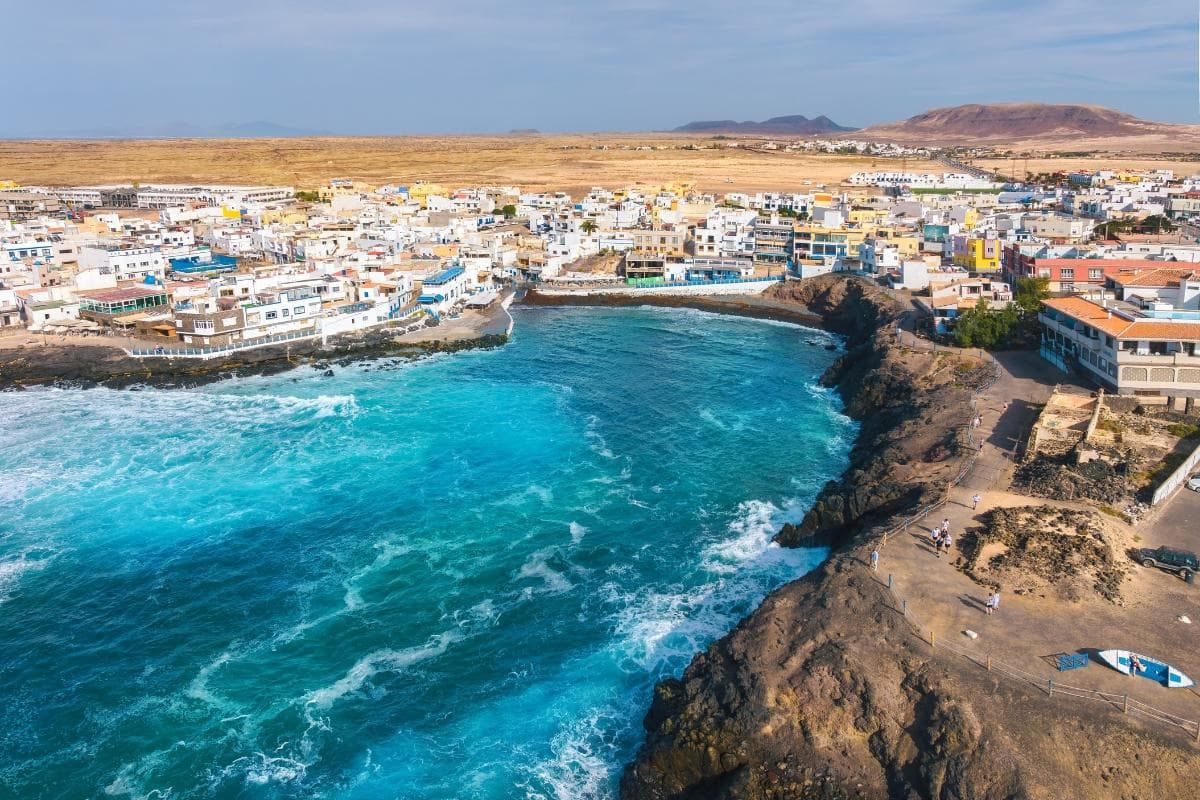
The first light slides across volcanic rock and lays a silver path into the Atlantic. At El Cotillo, the ocean does two things at once: it invites you to step in, and it warns you to pay attention. The village—whitewashed houses gathered around a handful of streets and a modest harbor—feels like an island town that chose a slower rhythm. Walk past the fishermen mending nets and you’ll reach a coastline that reads alternately as soft, creamy sand, jagged black cliffs, and a string of natural seawater pools that look as if someone scooped out perfect, photo-ready basins from the shore.
El Cotillo sits on Fuerteventura’s northwest flank, a short drive from the dunes of Corralejo and the wind-swept plains that define the island. Geologically, this is a place of contrasts: old basaltic flows and softer calcareous deposits meet the sea, and wave action sculpts tidal pools and blowholes along the headlands. Historically the town was a modest fishing port and a stopover for coastal trade; Torre del Tostón—a low stone tower dating back to the 18th century—still watches over the harbor, a reminder of pirate threats and coastal defense in an earlier age.
The real draw here is the interaction between land and water. The natural pools are safe, glassy refuges for a morning swim when the tide is right; kids and adults alike float in warmed, clear water while the Atlantic rumbles beyond. When the sea is high or windy, those tranquil basins can be dramatic—white water slamming against black rock, spray thrown into the air like confetti. The cliffs and rocky shorelines make for short, rewarding walks; choose a path and you’ll find vantage points that frame a dozen shades of blue and a coastline that stretches toward the distant silhouette of Lobos Island.
El Cotillo’s scale makes it an ideal base for half-day explorations and full-day island circuits. Guided options tailored to the village and the north coast give you a choice between gentle orientation and active exploration. A small-group North Exclusive Tour threads you through the island’s dunes, an Aloe vera farm, and the white sand beaches of El Cotillo before pausing at the Tostón lighthouse and the Piedra Playa cliffs. Private grand tours let you push farther—Betancuria’s carved interior, Ajuy’s dramatic limestone caves on the west coast, and hidden coastal viewpoints—while local guides fold in canary history and the casual, dry humor of island life.
If you want to move under your own steam, an e‑bike tour out of Corralejo repositions the idea of ‘beach day’: in five hours you cross lunar valleys, dry riverbeds, ancient craters and arrive at crystalline coves that feel privately owned. The electric assist flattens the island’s modest climbs and makes long, scenic loops accessible to a wide range of riders. For families or less experienced cyclists, it’s the easiest way to cover varied terrain without the usual exhaustion.
The village’s culinary vocabulary is short and honest—freshly caught fish, papas arrugadas (wrinkled potatoes) with mojo sauce, and soft local cheeses. Tapas tours combine this food with a localized tour of sights; they’re a social way to learn the names of streets and the best café for a mid-afternoon cortado.
Practicality matters here. The wind—especially in spring and summer—can be fierce; a wind layer and closed footwear for rocky sections are wise. The natural pools are charming but tide-dependent: check with a local or guide before jumping in. Snorkeling is rewarding in the clear coves but take reef shoes for the basaltic seafloor. If you’re photographing the place, plan for golden-hour light; sunrise softens the cliffs, while late afternoon reveals textures and shadow on the pools.
If you’re thinking in itineraries: spend a morning walking the pools and lighthouse, an afternoon sampling tapas, and a day on an e‑bike or private tour to see Ajuy and Betancuria beyond the beach. For longer stays, the dunes around Corralejo are a must, and a quick ferry to Lobos Island rewards patient walkers and snorkelers.
El Cotillo’s personality is subtle—this is not the high-energy beach town of glossy postcards. It’s a place where wind sharpens edges and the sea shapes daily life. Whether you come for a peaceful swim in a natural pool, a lunch of grilled fish at a harbor-side table, or a full-day sweep across the northern island by minivan or e‑bike, El Cotillo rewards attention. Move carefully, dress for wind, and let the coastline show you why the Atlantic keeps resetting the definition of pleasure on this part of Fuerteventura.
Trail wisdom
Small choices, better day.
Time your tide
Visit the natural pools at low to mid tide for calm water and safe swimming; ask locals or guides for tide times.
Bring reef shoes
Basalt and shell-strewn shorelines are comfortable to explore with protective water shoes.
Pack a wind layer
Even in summer the wind can be biting—carry a light windbreaker for cliff walks and boat transits.
Respect the pools’ wildlife
Avoid disturbing small fish and algae in tidal pools—use snorkel masks without fins to minimize impact.
Local knowledge
Read the place, not just the route.
Watch for native species including Audouin’s gulls and other coastal birds, small reef fish in tidal pools.
Keep an eye out for wildlife during the transition between areas and habitats. Respect distance guidelines.
The north coast overlaps sensitive marine habitats—stay on marked paths, avoid removing shells or marine life, and choose local guides who practice low-impact tours.
Follow the guide's instructions on size limits, ethical handling, and leave-no-trace practices.
Torre del Tostón and its calm west-facing platforms. A short walk to the lesser-known coves north of the main pools
Locally recommended viewpoints and quiet spots known best to local operators.
El Cotillo grew as a fishing hamlet and includes Torre del Tostón, an 18th-century coastal watchtower built to deter pirates.
Maritime roots and regional tradition shape the waterways and working coasts.
Seasonal guide
Four versions of the same landscape.
Spring
Best forwildflowers on dunes · mild temperatures · less crowds
Challengesstronger winds some days · choppy seas for small boats
Spring offers mild temperatures and quieter beaches, though windy days are common—perfect for walking and e-bike tours when wind subsides.
Summer
Best forswimming · snorkeling · long daylight hours
Challengesstrong sun · occasional Saharan dust/hot winds
Summer brings warm water and ideal conditions for ocean activities; use sun protection and expect more visitors at key beaches.
Fall
Best forideal sea conditions · fewer tourists · comfortable hikes
Challengesshorter days · unpredictable wind shifts
Autumn balances warm seas and gentler winds—an excellent window for multi-stop island tours and snorkeling.
Winter
Best forstorm-watching · surfer sightings · peaceful village life
Challengescooler water · rough seas can close natural pools
Winter is quieter and dramatic—good for coastal walks and photography, but check sea conditions before entering pools.
Pack with intention
What to bring.
Good to know
Common questions.
Yes at low to mid tide the pools are calm and shallow, but always supervise children and avoid swimming when waves are high.
Plan the edges
The details that make the day easier.
Torre del Tostón (also called Castillo del Tostón) was built in the late 18th century as a coastal defense tower to protect the area from pirate raids.
Small seafood restaurants line the harbor serving freshly grilled fish, papas arrugadas with mojo, and strong local coffee—pair a seaside lunch with a stroll to Torre del Tostón for a true taste of the village.
- Closest hub
- Corralejo (20–30 min drive). Best access: rental car or organized tour. Mobile signal: generally good in town. Currency: Euro. Languages: Spanish; many guides speak English.
Respect tidal pools and dune systems—stick to paths, avoid collecting organisms or shells, use local guides and eateries to support community-based tourism.
Explore by topic
Follow the threads.
Keep exploring
Make the story part of the trip.
Set out from Bass Harbor for a private, customizable day on Blue Hill Bay — lighthouses, puffins, seals, and the chance to feel Acadia from the water. Small groups, local captains, unforgettable views.
In four hours you can move from shaded canyon ferns to wind-scoured coastal ridgelines, guided by someone who knows where the light—and the hidden views—live. This private half-day hike on the Monterey Peninsula or Big Sur is compact, curated, and perfect for travelers who want depth without a multiday commitment.
 Related story
Beneath a sky of shifting light, Skaftafell’s ice reads like a map of time. This three-hour guided glacier hike mixes technical instruction with geology and culture: compact, safe, and unforgettable.