
What the day feels like
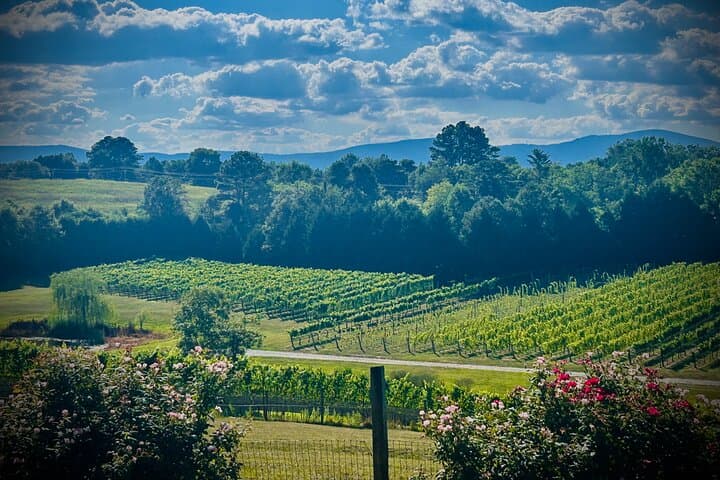
By the time the van eases off the highway and the city noise thins, the mountains do the same thing they always do: they draw a slow, honest breath. The road curls between orchards and low stone walls, and the air suddenly smells like crushed green leaves and something sweeter—fermenting grapes, sunlight and spring. You step into a private tour where the math is simple: three vineyards, one driver, no logistics to juggle. What remains is the pleasure of the wine and the landscape that made it.
This Three Vineyards Half Day Private Wine Tour from Asheville is less about checklist tasting and more about an afternoon that unfolds at a measured pace. A professional chauffeur meets your small group—minimum two, typically capped at six—collects you from your hotel in Asheville, and ferries you through a pocket of western North Carolina that is quietly prolific. Over roughly six hours you’ll visit three distinct producers: a hilltop vineyard with postcard panoramas, a family-run micro-winery focused on hybrid varietals, and a larger estate with tasting-room staples and local small bites. The rhythm of the day is deliberate: a short drive, a guided tasting, a conversation with winemakers when available, and time to step outside and feel the slope underfoot.
North Carolina’s wine story is older than many expect. Vineyards were established across the state in the 19th century; Prohibition largely erased that early momentum, and a renaissance took root in the late 20th century as growers and vintners found grape varieties suited to Appalachian microclimates. The nearby Blue Ridge and the broader foothills create varied soils—loam over shale in some places, clay pockets elsewhere—giving growers choices about what to plant and how those vines express a southeastern terroir that favors aromatic whites and fruit-forward reds.
Culturally, the region wears its small-scale ethos proudly. Many wineries you’ll visit are family owned—where tasting-room hours still bend to the calendar of the land, and where you can often swap notes with the person who picked the grapes last season. Asheville’s food and drink scene, famous for craft beer and farm-to-table cooking, complements those wineries: expect tasting rooms to offer local cheeses, charcuterie, and sometimes a soft pretzel from a nearby bakery.
Why book a private wine tour? Practically, it solves the two biggest friction points of tasting: transportation and pacing. You don’t worry about who’s driving, and you get the flexibility to linger at a vineyard that surprises you. For travelers wanting a focused afternoon of wine discovery without the hassle of directions, reservations and parking, this model works with minimal waste: your guide manages scheduling and timing so you can concentrate on what’s poured.
What to expect on the day: pickups are typically downtown or at select hotels in the Asheville metro area. The tour covers three stops in a loop that keeps driving under an hour between tastings, but a lot depends on which vineyards are included on your private itinerary. Tasting fees are often included or clarified at booking; shipping options are commonly offered if you fall for a bottle that won’t make the trip home.
Practical tips that matter: bring a valid ID (tastings are regulated), wear comfortable shoes for gravel and short walks, and plan for sun or sudden mountain showers—layers are useful. Hydrate between tastings and ask about pour sizes if you plan to drive later that evening—the private chauffeur makes that simple, but it’s wise to pace yourself. Budget for gratuity: guides who manage the day smoothly and share local stories are worth it.
For photographers and writers, the day offers snapshots of rural life and cultivated landscape: vines sculpted into tight rows, old farm fences, and tasting-room interiors that favor reclaimed wood and local art. If you time the tour for fall, the mountain backdrop takes on extra color; in spring, the vineyards are almost tenderly green.
If you’re curious about the region beyond the tasting room, this private option is a great springboard. Your guide is often the best source for off-menu recommendations—where to find a roadside farmer selling peaches, which overlook has the lesser-known view, or where to catch a sunset with an honest plate of barbecue afterward.
Book with the understanding that this is a curated, intimate experience rather than a factory-line wine crawl. The cost reflects the private chauffeur and the convenience of a custom schedule, and for many travelers that premium pays in relaxed time at each stop and zero navigation stress. If you want a personalized, social, and low-effort way to taste a sampling of western North Carolina’s wines in one afternoon, this tour fits cleanly into a day in Asheville.
Ready to go? If you want the details and to reserve a private tour, consider booking the Half-Day Private Wine Tour from Asheville here: <a href="https://app.advcollective.com/local-experts/half-day-private-wine-tour-from-asheville-three-vineyards">Half-Day Private Wine Tour from Asheville</a>. It’s the fastest route to turning a promising afternoon into a curated, memorable one.
Trail wisdom
Small choices, better day.
Bring Your ID
Tasting rooms require government-issued ID for alcohol service—pack it and keep it handy.
Hydrate Between Stops
Carry a refillable water bottle to pace tastings and stay comfortable in the sun.
Dress in Layers
Vineyards can be breezy or sunny; a light jacket and sun hat cover most conditions.
Budget for Shipping
If you love a bottle, ask about winery shipping—many suppliers will ship interstate to avoid lugging glass.
Local knowledge
Read the place, not just the route.
Watch for native species including White-tailed deer, Wild turkey.
Keep an eye out for wildlife during the transition between areas and habitats. Respect distance guidelines.
Many small wineries in the region use sustainable practices and source local foods—supporting them helps preserve farmland and regional biodiversity.
Follow the guide's instructions on size limits, ethical handling, and leave-no-trace practices.
A shaded picnic spot on a lesser-known vineyard knoll. A seasonal roadside farmstand selling local preserves and fresh peaches
Locally recommended viewpoints and quiet spots known best to local operators.
North Carolina had a vibrant pre-Prohibition wine industry; the modern revival accelerated in the late 20th century as growers adapted varietals to the Appalachian foothills.
Maritime roots and regional tradition shape the waterways and working coasts.
Seasonal guide
Four versions of the same landscape.
Spring
Best forLush vineyard growth · Fewer crowds · Milder temperatures
ChallengesSpring rain · Sudden temperature swings
Vines push new growth and tasting rooms feel lively; bring a waterproof layer for occasional showers.
Summer
Best forOutdoor patio tastings · Longer daylight · Fresh seasonal pairings
ChallengesHot afternoons · Higher tourist numbers
Summer is vibrant and social—aim for morning or late-afternoon tours to avoid peak heat.
Fall
Best forAutumn color · Harvest energy · Richer wine releases
ChallengesBusier weekends · Variable weather
Fall offers dramatic scenery and harvest stories—book early for weekend tours during foliage season.
Winter
Best forCozy indoor tastings · Off-season intimacy
ChallengesLimited outdoor access · Some wineries reduce hours
Winters are quiet and introspective; expect smaller crowds but check tasting room hours in advance.
Operator details
What the booking data adds.
Included
- ✓Private transportation
- ✓Bottled water
- ✓Wine/Wine tastings at Overmountain & Parker-Binns Vineyards only
- ✓All Fees and Taxes
- ✓English-speaking guide
Not included
- —Any wine glasses/bottles or wine tastings ($20) at Marked Tree Vineyards
Good to know
- ✓Wheelchair accessible
- ✓Transportation options are wheelchair accessible
- ✓All areas and surfaces are wheelchair accessible
- ✓Not recommended for pregnant travelers
- ✓Suitable for all physical fitness levels
- ✓only serve alcoholic drinks for travelers 21 years old and above. Minor travelers below 21 years old will be served non-alcoholic drinks.
Pack with intention
What to bring.
Good to know
Common questions.
The tour runs about six hours total, covering three vineyards with pickup and drop-off in Asheville.
Plan the edges
The details that make the day easier.
The modern North Carolina wine revival gained momentum in the late 20th century; the nearby Yadkin Valley was designated an AVA (American Viticultural Area) in 2003.
After a day of tastings head back to Asheville for farm-to-table dinner—try local favorites like Tupelo Honey for Southern fare or one of Asheville’s many breweries for a post-tasting pint. Downtown offers excellent bakeries and sandwich shops if you prefer a casual meal.
- Closest airport
- Asheville Regional Airport (AVL). Typical driving: 20–45 minutes from downtown Asheville to vineyards. Cell service: Generally reliable but patchy in rural stretches. Permits: None required for this private tour.
Support wineries that prioritize sustainable farming and locally sourced pairings; bring a reusable bottle and avoid single-use plastics. Pack out all trash and respect private farmland.
Explore by topic
Follow the threads.
Keep exploring
Make the story part of the trip.
Set out from Bass Harbor for a private, customizable day on Blue Hill Bay — lighthouses, puffins, seals, and the chance to feel Acadia from the water. Small groups, local captains, unforgettable views.
In four hours you can move from shaded canyon ferns to wind-scoured coastal ridgelines, guided by someone who knows where the light—and the hidden views—live. This private half-day hike on the Monterey Peninsula or Big Sur is compact, curated, and perfect for travelers who want depth without a multiday commitment.
 Related story
Beneath a sky of shifting light, Skaftafell’s ice reads like a map of time. This three-hour guided glacier hike mixes technical instruction with geology and culture: compact, safe, and unforgettable.