
What the day feels like
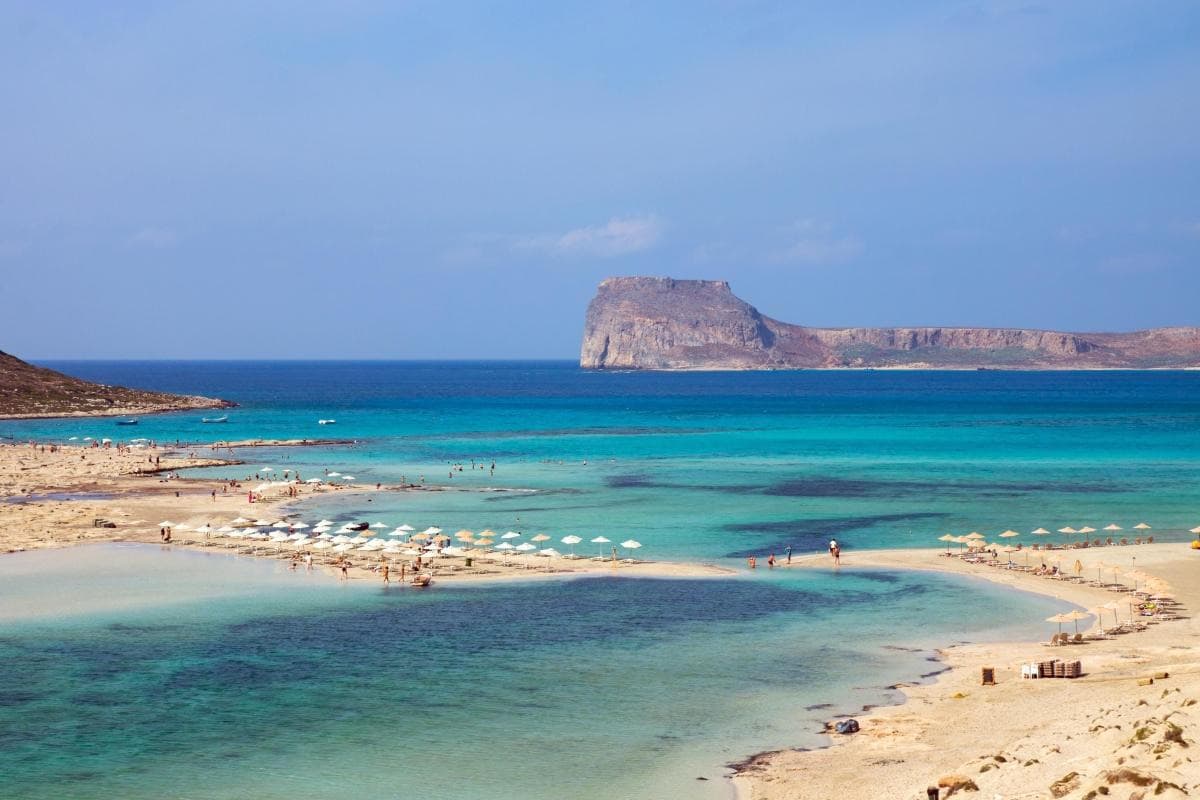
The North Coast of Trinidad is a place where beauty unfolds with each winding turn of its scenic road, revealing vistas that capture the raw charm of the Caribbean Sea. Among these coastal jewels, Las Cuevas Beach shimmers with a subdued allure. Unlike its bustling neighbor Maracas Bay, Las Cuevas offers a more tranquil escape, an invitation to immerse oneself in nature and rejuvenate in its serene embrace.
Situated along a stretch of road that unravels like a ribbon through lush rainforests and sleepy fishing villages, Las Cuevas quietly waits to welcome wanderers looking for a slice of paradise often overshadowed by the more famous bays. The beach itself spans over 2.2 kilometers, its golden expanse of sand curving gently in a protective embrace around the cove. It feels like a world apart, where the gentle waves whisper tales of the island's storied past.
The name 'Las Cuevas' translates to 'The Caves', and true to its moniker, hidden caves punctuate the coastline, waiting to be explored by the curious. This setting makes the beach a haven for those who enjoy swimming amidst calm waters, a rarity along the typically lively coasts. Families spread out beneath the mottled shade of sea grape trees, indulgent in picnics peppered with local flavors.
For a comprehensive experience, consider embarking on a guided coastal tour from Port of Spain. This route meanders along the scenic north coast, stopping for breathtaking vistas that appear like scenes from a canvas, painted with the colors of the sky and sea. The tour includes the renowned Maracas Lookout, where panoramic views are accompanied by the sweet and savory aromas of local snacks, like pineapple chutney. As you journey further, the more sheltered Las Cuevas Bay becomes a rewarding destination.
Explorers might also look forward to combining their beach day with a venture into Trinidad's lush rainforests. A short drive past Maracas will lead you to a starting point for a gentle hike to a rainforest waterfall. The path weaves along and within a shallow river that seems to guide you through a verdant corridor of green, climaxing in a majestic cascade over 65 feet high. After enjoying the waterfall, the return to Maracas Beach offers the perfect opportunity to taste the island's legendary 'Bake and Fish' sandwich.
However, it is Las Cuevas' tranquil spirit that leaves a lasting imprint. It allows for quiet reflection against the backdrop of gentle surf. Here, time seems suspended as pelicans glide lazily overhead and fishermen mend their nets on the shore, weaving together the narrative of a beach that feels like a sanctuary.
Trail wisdom
Small choices, better day.
Pack Snacks and Water
Las Cuevas Beach has limited onsite facilities, so bring your own refreshments to stay energized and hydrated.
Discover the Caves
Explore the small caves dotting the coastline for an added element of adventure during your visit.
Beachcombing Comfort
Wear beach shoes or sandals to comfortably explore the sandy and sometimes rocky beach areas.
Sun Protection
The sun can be strong, even through the clouds. Use sunscreen, wear a hat, and bring sunglasses to protect yourself.
Local knowledge
Read the place, not just the route.
Watch for native species including Pelicans, Turtles.
Keep an eye out for wildlife during the transition between areas and habitats. Respect distance guidelines.
Visitors are encouraged to respect the beach's natural environment by cleaning up after themselves and protecting local wildlife.
Follow the guide's instructions on size limits, ethical handling, and leave-no-trace practices.
Secret Caves. Quiet Eastern End
Locally recommended viewpoints and quiet spots known best to local operators.
Las Cuevas Beach is named for the natural caves along its coast, once used by indigenous peoples for shelter.
Maritime roots and regional tradition shape the waterways and working coasts.
Seasonal guide
Four versions of the same landscape.
Spring
Best forSwimming · Beach Picnics
ChallengesOccasional rain showers
Spring is warm and inviting, with lush surroundings and the sea's temperature perfect for swimming.
Summer
Best forSunbathing · Cave Exploration
ChallengesIntense heat and humidity
Summer brings bright sun and clear skies, ideal for spending long days on the beach.
Fall
Best forBeachcombing · Photography
ChallengesHurricane risk
Fall transitions with dramatic skies, providing great lighting for photography and comfortable beachcombing.
Winter
Best forSwimming · Nature Walks
ChallengesCooler nights
Winter offers mild temperatures and less crowded beaches, perfect for relaxed visits and nature walks.
Pack with intention
What to bring.
Good to know
Common questions.
Yes, Las Cuevas Beach is known for its calm waters, making it generally safe for swimming.
Plan the edges
The details that make the day easier.
Las Cuevas Beach is one of the few blue flag beaches in Trinidad, recognized for its cleanliness and environmental management.
Trinidad is famous for its 'Bake and Fish' sandwiches, best enjoyed at nearby Maracas Bay. Make sure to try one while visiting the region.
Help preserve Las Cuevas' natural beauty by participating in beach clean-up initiatives or following 'leave no trace' principles during your visit.
Explore by topic
Follow the threads.
Keep exploring
Make the story part of the trip.
Set out from Bass Harbor for a private, customizable day on Blue Hill Bay — lighthouses, puffins, seals, and the chance to feel Acadia from the water. Small groups, local captains, unforgettable views.
In four hours you can move from shaded canyon ferns to wind-scoured coastal ridgelines, guided by someone who knows where the light—and the hidden views—live. This private half-day hike on the Monterey Peninsula or Big Sur is compact, curated, and perfect for travelers who want depth without a multiday commitment.
 Related story
Beneath a sky of shifting light, Skaftafell’s ice reads like a map of time. This three-hour guided glacier hike mixes technical instruction with geology and culture: compact, safe, and unforgettable.