
What the day feels like
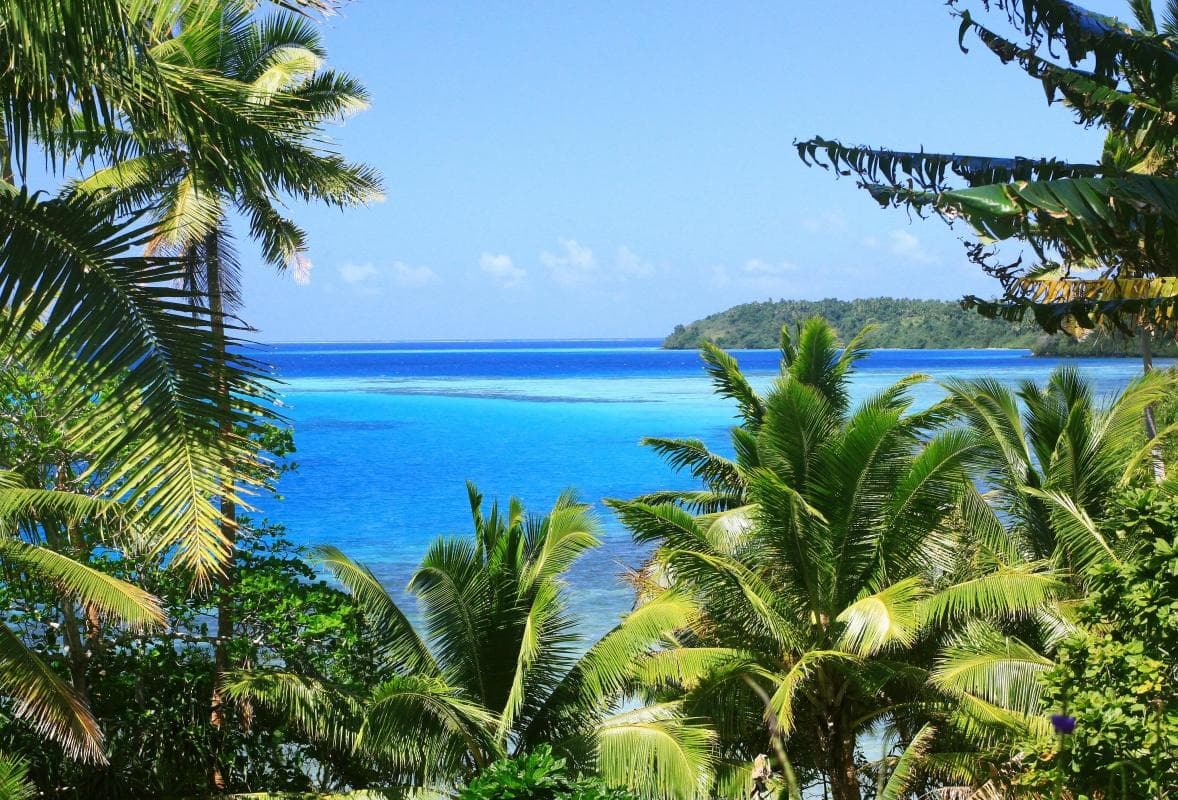
By the time the seaplane banks over Taveuni, the island has already begun to make promises. From 3,000 feet you see them — the lace of reef and channel around the island, the dark green of a rainforest that drips into the sea, and a spine of cloud-capped ridges pushing inland. Touchdown at Matei and those promises turn into something immediate: the rainforest breathes, the waterfalls call, and the currents of the Somosomo Strait dare you to dive.
Taveuni wears its nickname honestly. Known as Fiji’s “Garden Island,” this narrow volcanic sliver is one of the nation’s most biodiverse spots. Bouma National Heritage Park, on the island’s eastern flank, is a compact anthology of tropical ecosystems — lowland forest, montane ridges, and coastal fringe. Water here has an agenda. Streams gather speed and drop in three fan-shaped tiers at Tavoro (Bouma) Falls; the coastal shallows explode with soft corals at the Rainbow Reef, where currents feed an underwater garden that ranks among the best soft-coral dive sites on the planet.
Geology gives the island its character. Taveuni is part of a volcanic chain; its slopes are steep and young by island standards, carved by erosion into ridges and gullies. Mount Uluigalau, the island’s high point, rises to approximately 1,241 meters and traps moisture from the southeast trade winds — the reason Bouma’s forest is so dense and the waterfalls so persistent. Historically, the island’s villages and chiefs played important roles in inter-island navigation and trade; today, small, close-knit communities maintain traditional ceremonies and welcome visitors with the same blunt warmth.
On land the adventure is straightforward and variegated. The most accessible trek is in Bouma National Heritage Park to Tavoro Falls — a rainforest hike that can be tailored from a 30-minute stroll to a vigorous half-day climb. Trails to the upper tier require more caution: expect slippery roots, short steep sections and roughly 150–300 meters of elevation gain depending how high you push. The Lavena Coastal Walk threads the eastern coast, offering seawater pools and cliff-top outlooks; plan roughly 1–2 hours each way, with scrambling over exposed reef at low tide.
Water is the other talent here. The Rainbow Reef and the nearby Great White Wall attract divers who want to swim through forests of soft coral and schools of reef fish. Drift dives in the Somosomo Strait can pull you along at a comfortable pace; current management and local operators make these accessible to confident beginners and essential for intermediate divers. For snorkelers, the reef’s shallow gardens are a technicolor introduction to Fiji’s marine life, provided you arrive with reef-safe sunscreen and a respect for coral etiquette.
Culturally, Taveuni is small-island Fiji: villages where yaqona (kava) ceremonies still mark important moments, roadside stalls selling coconut and taro, and cooks steaming fish in lovo (earth ovens) for community feasts. Local guides provide more than navigation — they point out medicinal plants, explain legends tied to particular pools, and translate place names that anchor the landscape in human history.
Practicalities make this island trip reasonable. Matei has a small airport (TVU) with regular domestic flights from Nadi and Suva; Savusavu on nearby Vanua Levu is an alternate gateway if you prefer a ferry crossing. Roads on Taveuni are paved along the main spine but can be narrow and shaded by overhanging trees; a 4x4 isn’t usually required for the main attractions but is handy if you want to explore back roads and reach remote trailheads.
Timing matters. The island’s dry season (May through October) gives the clearest water and more predictable weather for hiking; the wet season intensifies the waterfalls but also makes trails slick. Guides and park rangers are present at Bouma, and paying the park fee supports conservation and trail maintenance — essential in a place where heavy rain can rearrange a path overnight.
For the traveler assembling a realistic plan: aim for a mix of mud and reef. Spend a morning on the Lavena coastal track, an afternoon snorkeling the Rainbow Reef, and one day dedicated to Bouma’s multi-tiered falls — that’s the archetypal Taveuni rotation. If you’re a diver, add at least two dives: a drift on the outer wall and a shallow garden to savor the coral up close.
Taveuni’s charm is fierce but uncomplicated. It doesn’t pretend to be a polished resort island; its pleasures are tactile — the spray on your face at the base of a waterfall, the honeyed light over coral heads at sunset, villagers waving from a roadside woven mat sale. Prepare for tropical conditions, hire a local guide for deeper hikes, and leave with a sense that nature here has a will of its own: generous, occasionally demanding, and utterly present.
Trail wisdom
Small choices, better day.
Go early to beat heat and crowds
Start Bouma and Lavena hikes before 8 a.m. for cooler temperatures, better light and fewer tour groups at the falls.
Wear grippy shoes
Trails are rooty and wet—lightweight hiking shoes with sticky rubber will save you from slips on the coastal rock and waterfall paths.
Use reef-safe sunscreen
Protect the coral and your skin—apply biodegradable sunscreen at least 20 minutes before entering the water.
Hire a local guide for remote trails
Guides know seasonal hazards, hidden pools and cultural context; they also support local economies.
Local knowledge
Read the place, not just the route.
Watch for native species including Fiji crested iguana, Frigatebirds and tropical reef fish.
Keep an eye out for wildlife during the transition between areas and habitats. Respect distance guidelines.
Bouma National Heritage Park and local dive operators support reef monitoring; visitors are encouraged to use reef-safe products and avoid touching coral.
Follow the guide's instructions on size limits, ethical handling, and leave-no-trace practices.
A short hike above the lower falls leads to a shallow emerald plunge pool frequented by local families. Remote coastal points on the island’s north shore reveal seldom-visited tide pools and seabird colonies
Locally recommended viewpoints and quiet spots known best to local operators.
Taveuni played a strategic role in historic inter-island trade routes; its villages retain traditional leadership structures and cultural ceremonies.
Maritime roots and regional tradition shape the waterways and working coasts.
Seasonal guide
Four versions of the same landscape.
Spring
Best forLower crowds · Wildflower displays · Transition from wet to dry
ChallengesIntermittent rain · Slippery upper trails
Spring brings fewer visitors and blooming understory plants; expect variable showers that can make higher trails muddy.
Summer
Best forWarmest sea temps · Lush rainforest · Long daylight hours
ChallengesHigher rainfall in parts of the island · Stronger currents for diving
Summer warms the water and intensifies jungle growth—snorkeling is vibrant but check local dive operator advice about currents.
Fall
Best forClear water visibility · Stable weather windows · Ideal diving conditions
ChallengesIncreased boat traffic on prime dive sites · Cooler nights
Autumn typically offers excellent visibility for diving and comfortable hiking weather—perfect for multi-day exploration.
Winter
Best forDry, steady weather · Best visibility underwater · Easier trail footing
ChallengesCooler mornings · Peak-season prices and bookings
The dry winter months (May–October) are the most reliable for land and sea activities—book guides and accommodation early.
Pack with intention
What to bring.
Good to know
Common questions.
Most visitors fly to Matei (TVU) from Nadi or Suva on domestic carriers; Savusavu on Vanua Levu is an alternative gateway with ferry connections.
Plan the edges
The details that make the day easier.
Taveuni is nicknamed the 'Garden Island' of Fiji and sits beside the Rainbow Reef, one of the world’s most diverse soft-coral ecosystems.
Village visits often include a yaqona (kava) ceremony and local meals cooked in a lovo (earth oven); markets sell fresh coconut, taro and warm-roasted breadfruit—embrace the unhurried pace.
- Airport
- TVU (Matei); Best season: May–October; Park fees: Bouma National Heritage Park entrance fee applies; Currency: FJD; Phone
- Internet
- Patchy outside major lodges.
Use reef-safe sunscreen, avoid single-use plastics, hire local guides, and follow marked trails to reduce erosion and protect fragile coral ecosystems.
Explore by topic
Follow the threads.
Keep exploring
Make the story part of the trip.
Set out from Bass Harbor for a private, customizable day on Blue Hill Bay — lighthouses, puffins, seals, and the chance to feel Acadia from the water. Small groups, local captains, unforgettable views.
In four hours you can move from shaded canyon ferns to wind-scoured coastal ridgelines, guided by someone who knows where the light—and the hidden views—live. This private half-day hike on the Monterey Peninsula or Big Sur is compact, curated, and perfect for travelers who want depth without a multiday commitment.
 Related story
Beneath a sky of shifting light, Skaftafell’s ice reads like a map of time. This three-hour guided glacier hike mixes technical instruction with geology and culture: compact, safe, and unforgettable.