
What the day feels like
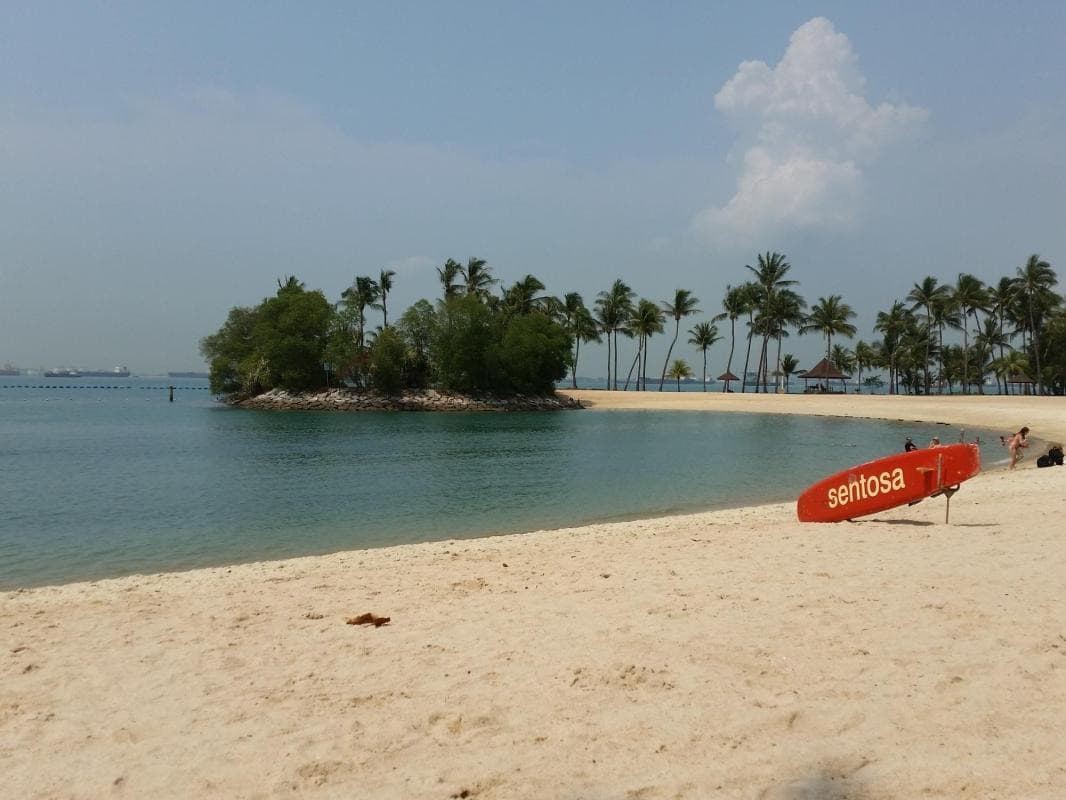
The first thing that lets you know you’ve left central Singapore behind is the sound—less traffic, more wind. At Tanjong Beach, a crescent of pale sand tucked into Sentosa’s southwestern edge, the city’s glass and concrete soften into sun-bleached deck chairs, a low-rise beach club, and the steady breathing of the South China Sea. Walk along the strand in the late afternoon and you’ll see the way the water reads the sky: a sheet of blue that deepens to indigo as the sun tilts west. Boats dot the horizon, but they’re distant and polite. If you’re here to fish from a kayak, that polite distance is an invitation.
Tanjong’s shoreline is an excellent launch point for kayak fishing that ranges from afternoons on the calmer East Coast waters to island-hopping outings toward the Southern Islands’ fringing reefs. The gear you’ll sit in is not your average sit-on-top: Hobie fishing kayaks with Mirage Drive pedal systems let you move with your legs while your hands handle rod and reel. That means steadier casts, quieter approaches, and more time watching a line tighten instead of wrestling with a paddle. Guides outfit trips for all skill levels—novice anglers learn knot work, bait presentation, and how to read tide lines; experienced fishermen get straight-to-the-spot tactics for snappers and groupers.
Sentosa’s history is layered like the island’s sand—Malay and colonial names, a military past, and modern-day resort development. Once called Pulau Blakang Mati, the island became Sentosa in the 1970s when it was repurposed as a leisure destination. Tanjong Beach itself has been curated into a quieter counterpoint to the theme-park energy of other beaches: fewer loud DJ sets, more long, low-curved shorelines where mornings are for swims and afternoons are for moving offshore. Geologically the area is tropical limestone and reclaimed sand; currents around the southern islands are shaped by tides running through narrow channels, which condense fish into predictable seams.
Culture on Sentosa is softer and more tourist-facing than mainland Singapore’s hawker-stall intensity, but it’s no less local. You can start the day with kaya toast and kopi in the city, arrive at the beach club for a late breakfast, then join your guide and push off from Tanjong’s sand. Guides often run half-day and full-day options plus sunset and night trips—sunset casts are theatrical and productive, while night trips turn the water into a slick canvas of lights where nocturnal species become eager feeders.
What makes kayak fishing at Tanjong Beach particularly rewarding is the marriage of accessibility and variety. From calm, shallow flats to deeper passes near the Southern Islands, the water here gives anglers multiple fisheries over a single outing. Expect to target tropical species: snappers, groupers, trevally, and occasional reef species that tuck into bommies. Guides supply quality tackle (Penn and Shimano), safety vests, and local know-how: where the reef runs sharp, how the tide will shift current through the channel, and where a poling drift will put you directly over fish-holding structure. For a family or first-timer, a gentle paddle around the East Coast or between islands can be as much about shoreline scenery and reef-spotting as it is about catching dinner.
Practicality matters here. Kayak fishing trips vary in distance (short coastal jaunts of 2–4 kilometers to multi-island hops of 6–12 kilometers roundtrip), so pick the day-length that fits your fitness. Early-morning and late-afternoon windows are ideal for cooler temperatures and active fish; midday can be still and productive but hot. Singapore’s tropics mean sudden showers are possible year-round; fast, waterproof layering, sun protection, and attention to tides are essential. Local guides monitor weather and currents—and they’ll tweak plans to keep the experience safe and fun.
Because Sentosa is a managed island, access logistics are straightforward: get to VivoCity on the mainland and take the Sentosa Express, walk across the Sentosa Boardwalk, or drive (toll and parking options apply). Once on island, Tanjong Beach is a short cab or shuttle ride from the attractions cluster. If you’re heading out by kayak, arrive early to check-in, learn the kayaks and Mirage Drive operation, and listen closely to safety orientation. Bring a hat, reef-safe sunscreen, and a small dry bag for phone and keys; guides typically provide rods, reels, tackle, and lifejackets.
The rhythm of a Tanjong kayak trip is simple: launch, pedal into the tide, find the structure, present bait, and wait—sometimes for a sudden explosive run, sometimes for the patient tug that leads to a steady fight. When the boat or the kayak swings you into coral gardens, pull back and appreciate the high-clarity water and the reef life below; these areas are fragile, and operators increasingly brief guests on reef etiquette. On return, there’s nothing quite like a shower and a cold drink on the beach to mark the end of a day spent between sand and open sea.
For travelers who want a day that’s equal parts active and restorative, Tanjong Beach offers a tidy formula: accessible launch, reliable guides, and fisheries that reward attention rather than brute force. It’s an island edge that asks you to read wind and tide, move deliberately on the water, and leave no trace on the reef. Bring curiosity, respect for the sea, and a willingness to let the kayak dictate a slower, more intimate tempo than the city. The fish are there; the sea is patient. All you need is the courage to pedal toward them.
Trail wisdom
Small choices, better day.
Time your tides
Plan paddles two hours either side of slack tide for easier drift control and better bite windows.
Use reef-safe sunscreen
Protect the coral and your skin with mineral-based sunscreen; guides may turn you away for non-compliant products.
Hydrate and shade up
Bring at least 1–2 liters of water and a brimmed hat—tropical sun is intense even on cloudy days.
Practice kayak basics ashore
Arrive 30 minutes early to learn the Mirage Drive pedals and balancing tips before launching.
Local knowledge
Read the place, not just the route.
Watch for native species including Blacktip reef shark (occasionally in deeper channels), Tropical reef fish like snapper and parrotfish.
Keep an eye out for wildlife during the transition between areas and habitats. Respect distance guidelines.
Operators emphasize reef-safe practices and limit anchoring on coral; visitors are urged to use mineral sunscreen and avoid touching marine life.
Follow the guide's instructions on size limits, ethical handling, and leave-no-trace practices.
Paddle west toward the quiet coves behind Pulau Semakau for peaceful water and fewer boats. Tanjong Beach Club terrace for a sunset drink after your trip
Locally recommended viewpoints and quiet spots known best to local operators.
Sentosa—once Pulau Blakang Mati—was redeveloped in the 1970s into Singapore’s resort island; Tanjong Beach evolved as a quieter shore for locals and beach clubs.
Maritime roots and regional tradition shape the waterways and working coasts.
Seasonal guide
Four versions of the same landscape.
Spring
Best forcalmer seas · early-morning trips
Challengesoccasional brief showers · hazy sun
Spring months bring stable conditions and comfortable mornings—great for exploring reef edges and learning casting techniques.
Summer
Best forsunset paddles · night fishing
Challengesstronger midday sun · short, heavy storms
Summer gives long, balmy days and vibrant reef activity—choose early starts or sunset trips to avoid heat and afternoon squalls.
Fall
Best forisland-hopping · photo-friendly light
Challengesvariable currents in channels · possible increased boat traffic
Autumn often has clear water and good visibility, but pay attention to current forecasts when crossing channels between islands.
Winter
Best forcooler mornings · less humidity
Challengesheavier monsoon rains possible · choppier seas on exposed routes
Winter can bring more rain and wind; sheltered coastal outings from Tanjong remain feasible, but operators may cancel exposed crossings.
Pack with intention
What to bring.
Good to know
Common questions.
No—operators run beginner-friendly trips and provide instruction on casting, baiting, and safety while aboard Hobie kayaks.
Plan the edges
The details that make the day easier.
Sentosa island was renamed and redeveloped into a resort destination in the 1970s; its earlier name, Pulau Blakang Mati, reflects a layered colonial and local history.
After the paddle, refuel at nearby beach clubs or head back to VivoCity for hawker-style seafood—kaya toast and kopi in the morning, chili crab in the city by night.
- Getting there
- Sentosa Express from VivoCity or drive; launch from Tanjong Beach. Trip types: half-day, sunset, night, or full-day. What’s provided: kayak, lifejacket, rods, tackle. Bookings: reserve in advance for weekends.
Choose operators that brief guests on reef etiquette, avoid anchors on coral, and require reef-safe sunscreen to limit chemical runoff.
Explore by topic
Follow the threads.
Keep exploring
Make the story part of the trip.
Set out from Bass Harbor for a private, customizable day on Blue Hill Bay — lighthouses, puffins, seals, and the chance to feel Acadia from the water. Small groups, local captains, unforgettable views.
In four hours you can move from shaded canyon ferns to wind-scoured coastal ridgelines, guided by someone who knows where the light—and the hidden views—live. This private half-day hike on the Monterey Peninsula or Big Sur is compact, curated, and perfect for travelers who want depth without a multiday commitment.
 Related story
Beneath a sky of shifting light, Skaftafell’s ice reads like a map of time. This three-hour guided glacier hike mixes technical instruction with geology and culture: compact, safe, and unforgettable.