
What the day feels like
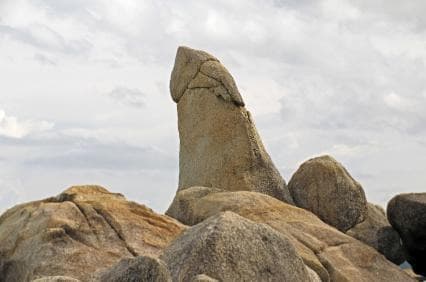
You first see them from the turnoff: two squat silhouettes perched on the edge of Lamai’s shoreline, weathered and unmistakable. The Grandmother and Grandfather Rocks—Hin Yai and Hin Ta—are equal parts geology and local myth, a pair of coastal sentinels that have become one of Koh Samui’s most photographed oddities. On a bright day the surf threads white lace against blackened stone; on a humid evening the sky softens into syrupy pastel and the rocks throw long, human shadows.
Approach is simple. A short paved walk from the parking area drops you between souvenir stalls and a pair of low viewing platforms that angle toward the sea. Most visitors spend 30–45 minutes here—enough time to study the curving forms, listen to the surf arguing with the rocks, and read the plaque that tells the local legend: an elderly couple, lost at sea while trying to reach a new village, turned into rock by the gods so they could remain together forever. The story leans ostentatiously into the fertility symbolism, and the island leans into it too—vendors sell charms and postcards, and newlyweds sometimes stop by to pose.
Geology does the quieter storytelling. These formations are the product of coastal erosion—waves, wind and the slow surrender of softer layers to harder cores. Over centuries the sea has sculpted granite and sedimentary seams into the smooth bulges that now invite comparison to human anatomy. Up close the stone is pitted and striated, hosting tiny salt-tolerant plants and a lacquer of barnacles where the tide once reached higher.
Culturally, Hin Ta and Hin Yai are a pocket of local color on an island whose identity is a mix of laid-back beach life and hard-working fishing communities. Lamai’s beachfront development frames the site: noodle shops, fresh coconut stalls, and a small shrine where locals leave incense and coin offerings. The place is a study in contrasts—natural curiosity against the backdrop of commerce. That’s part of the attraction; the rocks are a short, achievable stop that plugs right into a day of island exploration.
Why go? Because the site is archetypal Koh Samui: coastal drama that’s easily accessible, photogenic, and tied to island folklore. It makes for a low-effort cultural moment—good for families, couples, and anyone who appreciates a short, compelling detour between beaches.
Practicalities are refreshingly simple. From central Lamai it’s a 5–10 minute drive (or a 20–30 minute walk along the coast), with a small parking area by the viewing platforms. The path is paved and includes steps down toward the sea; stroller and wheelchair access is limited to the main viewing platforms. There’s usually a modest local fee or donation for access to the lower platforms—bring small change. Expect stalls selling cold drinks, grilled seafood and souvenirs, plus public restrooms of variable cleanliness.
Timing matters. Early morning delivers softer light and far fewer people—ideal for photos and a quieter mood. Late afternoon into sunset is the most dramatic light-wise, but that’s when tour buses and taxis often arrive, and the vendors are busiest. Midday is the least flattering light and the hottest moment, though if you’re island-hopping it’s still an easy stop.
For hikers and active travelers, the rocks pair well with a larger loop of Lamai’s coast or as a nearby stop when visiting attractions like the Secret Buddha Garden or Na Muang Waterfall. Pack reef-safe sunscreen if you plan to combine visits to beaches, and good grip footwear if you want to clamber close to the water-worn edges—the uneven rock can be slippery when wet.
Respect goes a long way. The rocks and their small shrine are culturally significant; don’t deface the stone or remove anything. Take trash with you or leave it with vendors who manage local cleanup. The surrounding marine zone is fragile: if you snorkel nearby, avoid touching coral and anchor only in designated areas.
If your trip prioritizes ease and photo ops without a long trek, Hin Ta and Hin Yai deliver. Expect a short, sensory-rich stop that’s as much about people-watching and local texture as it is about the rocks themselves. Bring a sense of curiosity and leave room in your day to wander Lamai’s lanes afterward—there are good cafes and seafood stalls waiting beyond the parking lot.
In short: the Grandmother and Grandfather Rocks are an excellent micro-adventure—a place to stand between the sea and local storytelling, take a few distinctive photos, and then move on to the broader joys of Koh Samui. They’re small natural monuments with a big personality, offering a quick, memorable snapshot of island life.
Trail wisdom
Small choices, better day.
Visit early or at golden hour
Arrive just after sunrise for soft light and smaller crowds, or plan for late afternoon if you don’t mind people and want dramatic color.
Bring small change
There’s often a modest fee for the lower viewing platforms and vendors operate cash-only stalls nearby.
Watch your footing
Rocks are uneven and can be slippery when wet—wear sandals with grip or light trail shoes to get close safely.
Respect the shrine
Treat offerings and shrine spaces with care—no climbing on sacred features or removing objects.
Local knowledge
Read the place, not just the route.
Watch for native species including Monitor lizards sunning on coastal rocks, Seabirds such as terns and herons hunting the shallows.
Keep an eye out for wildlife during the transition between areas and habitats. Respect distance guidelines.
The site is heavily visited; support local vendors, avoid leaving trash, and choose reef-safe sunscreen to reduce impacts on nearby marine life.
Follow the guide's instructions on size limits, ethical handling, and leave-no-trace practices.
Small viewpoint west of the rocks with quieter coastal views. A family-run seafood shack a short walk inland that serves fresh catch at local prices
Locally recommended viewpoints and quiet spots known best to local operators.
Locals tell a legend of an elderly couple turned to stone—Hin Ta (grandfather) and Hin Yai (grandmother)—a story that has tied the formations to local culture and tourism for decades.
Maritime roots and regional tradition shape the waterways and working coasts.
Seasonal guide
Four versions of the same landscape.
Spring
Best forFewer tourists · Warm sea temperatures · Short walks
ChallengesOccasional showers late in the season · Higher humidity
Spring (March–May) brings warm weather and fewer crowds than peak winter; expect short bursts of rain as the season advances.
Summer
Best forBudget travel · Long daylight hours · Vibrant local markets
ChallengesLikely heavy rain and rough seas · Some attractions may be quieter or closed
Summer is hotter and wetter; the rocks are still accessible but beach and boat conditions can be rough during monsoon bursts.
Fall
Best forGreen landscapes · Lower accommodation prices · Short coastal hikes
ChallengesUnpredictable storms · Strong currents at times
Fall offers lush island scenery but can bring intermittent storms—check weather if you plan bayside stops.
Winter
Best forClear skies · Calmer seas · Best photography light
ChallengesPeak tourist season (crowds) · Higher prices
Winter (Dec–Mar) is the prime season for visiting—sunny, calm water and excellent visibility, but expect more visitors.
Pack with intention
What to bring.
Good to know
Common questions.
Most visitors spend 30–60 minutes at the rocks—longer if you shop the stalls, explore the lower platforms, or combine the stop with nearby beaches.
Plan the edges
The details that make the day easier.
Hin Ta and Hin Yai’s names come from their resemblance to male and female anatomy; the formations are a natural result of coastal erosion and have been woven into a local legend about an elderly couple turned to stone.
Lamai blends beachside restaurants, Thai-Chinese vendors, and family-run seafood stalls—try grilled squid from a beachfront shack and sip a shaken Thai iced tea while watching fishermen at dusk.
- Location
- Lamai Beach, Koh Samui • Duration: 30–60 min • Access: short paved walk from parking • Fees: small platform fee or donation likely • Best time: sunrise or late afternoon • Facilities: vendors, basic restrooms
Respect shrine areas, avoid climbing on fragile rock features, use reef-safe sunscreen, and patronize local vendors to support community stewardship.
Explore by topic
Follow the threads.
Keep exploring
Make the story part of the trip.
Set out from Bass Harbor for a private, customizable day on Blue Hill Bay — lighthouses, puffins, seals, and the chance to feel Acadia from the water. Small groups, local captains, unforgettable views.
In four hours you can move from shaded canyon ferns to wind-scoured coastal ridgelines, guided by someone who knows where the light—and the hidden views—live. This private half-day hike on the Monterey Peninsula or Big Sur is compact, curated, and perfect for travelers who want depth without a multiday commitment.
 Related story
Beneath a sky of shifting light, Skaftafell’s ice reads like a map of time. This three-hour guided glacier hike mixes technical instruction with geology and culture: compact, safe, and unforgettable.