
What the day feels like
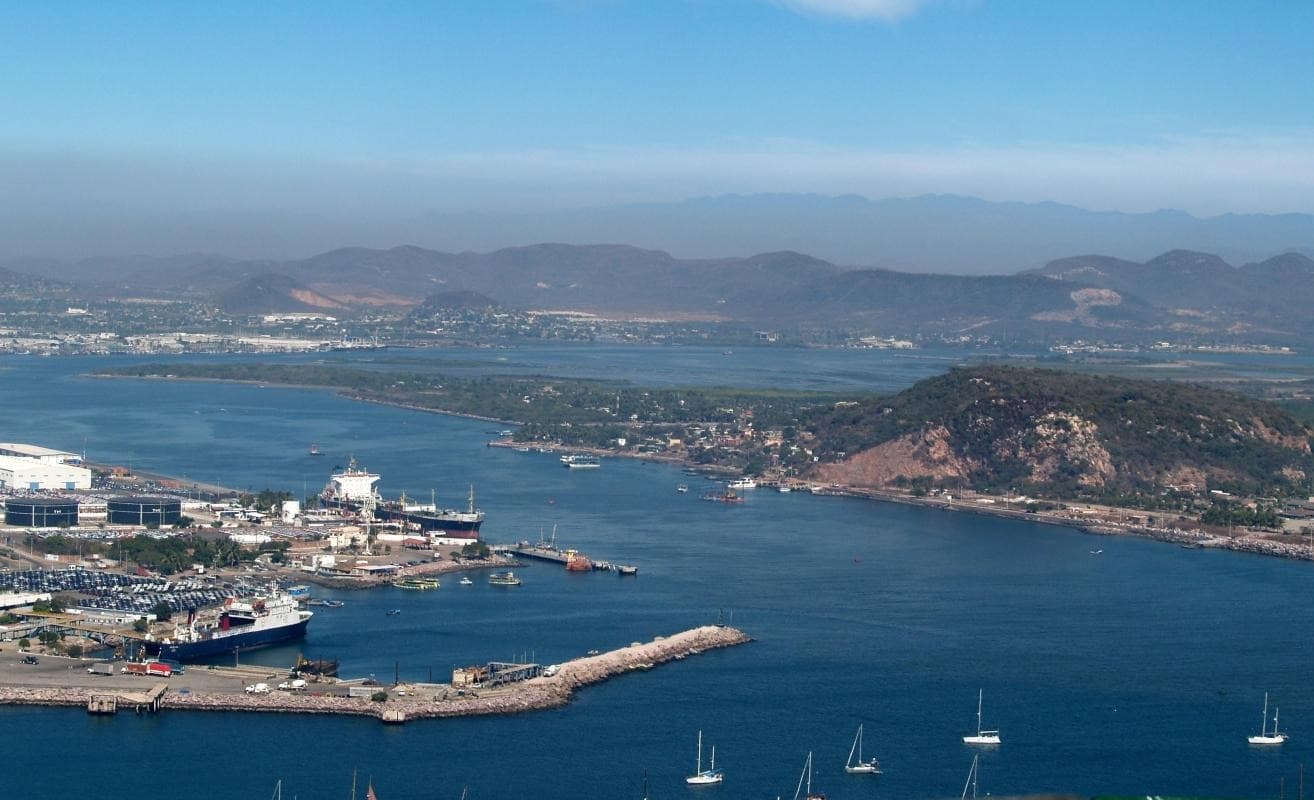
You step off the pier and the city’s humidity is swallowed by a steady ocean breath. The panga lurches through a patchwork of blue—glass, teal, and the deep navy that marks the mouth of the bay—and as the shoreline of Stone Island (Isla de la Piedra) slides into view, a different Mazatlán reveals itself: low dunes threaded with mangroves, a scatter of beach clubs, and a hush that feels intentional. The island doesn’t demand attention so much as invite it—to move slower, to feel sand compress under bare feet, to let the tide set the tempo.
This is not a private resort tucked behind gates. Stone Island is an assemblage of sandbar and community, a barrier spit that runs along the southern edge of the Mazatlán coastline. Locals have lived and fished here for generations; families run the simple beachfront restaurants, and a handful of operators run the island’s visitor programs—horseback rides at dawn, snorkeling runs to nearby islets, ATV circuits along the shoreline, and relaxed beach-club afternoons with a plate of ceviche and an umbrella for two.
Geologically, Stone Island is a lesson in persistence. It’s a dynamic accumulation of sediment—sand pushed by currents and wind—stabilized in places by mangrove roots. The island’s flat profile makes for long, walkable beaches and shallow snorkeling reefs close to shore. Offshore, small rock outcroppings and remnant islets attract schools of tropical fish and the birds that feed on them. It’s an approachable slice of the Pacific coast where the ocean shows both play and patience.
Culture on Stone Island is salt-streaked and practical: mornings are for fishing; afternoons for shade, gossip, and shrimp tacos. The island’s economy revolves around the sea—pangas carrying fish to the city markets, women selling lime-dressed seafood at roadside stands, and guides who know the currents like their own palms. Visitors are welcomed as guests rather than consumers; a common courtesy is to buy a drink or lunch at the beach club you use, which keeps the local engine humming.
Why go? The options are what make Stone Island compelling. If you want to feel the surf cool your calves while a sure-footed horse carries you along the water’s edge, the guided horseback rides are a quiet thrill—gentle canter where tide meets sand, the ocean daring you forward and the horse obliging. For people who want more velocity, the ATV tracks ribbon the shoreline with bursts of speed and salt spray; it’s a family-friendly way to turn the island into a playground, with guides who set the pace and point out the safe runs.
Water folks will be happiest here. Snorkeling trips to the tiny nearby islands are often on calm days, when wind and swell are minimal and visibility can be excellent. Expect shallow reefs, compact schools of reef fish, and the occasional octopus or stingray tucked under a ledge. For the casual adventurer, an all-inclusive beach-club day—lunch, open bar, a choice of two activities like banana boat or boogie board—delivers a compact, well-curated taste of the island without fuss.
Planning matters. The island is best reached via short boat transfer from Mazatlán’s south piers; many operators include hotel pickup. Timing your visit for morning or late afternoon has practical benefits—less heat, gentler light for photography, and calmer seas for water activities. Bring reef-safe sunscreen and a hat; the sun here is sharp and reflected twice—by the ocean and the sand.
Logistics: rides range from two to five hours depending on package—horseback options and beach-club experiences often fall around the five-hour mark with transfers. Safety is standard: guides provide helmets for ATVs and safety saddles for children on horses. If you’re prone to motion sickness, plan for that short panga ride off the city—sea conditions can change quickly, especially in windy months.
For those who appreciate a quieter kind of thrill, wander past the main beach club and find the mangrove channels. They’re alive with fiddler crabs, herons, and the soft architecture of roots holding sand where otherwise it would shift away. Walk slowly, ask where the local families fish, and you’ll find stories as compelling as any ocean view.
Stone Island doesn’t try to be more than it is: an approachable coastal escape where activity choices let you decide the tempo—sedate horse and lunch, brisk motorized fun, or a snorkeling dip that reconnects you with the Pacific. It’s ideal for families, couples, and day-trippers looking for a coastline that’s both easy and elemental.
Practical edge: book a reputable operator that includes transfers and life jackets, confirm the minimum age for horseback riding (many operators welcome young children with safety saddles), and pack for sun and splash. Arrive curious, leave with sand in your shoes and a new respect for the simple economies the sea sustains here.
Trail wisdom
Small choices, better day.
Time your visit for calmer seas
Morning or late-afternoon departures usually mean gentler swell for snorkeling and a more comfortable panga transfer.
Bring reef‑safe sunscreen
Protect yourself and the marine life—Gently reapply after swimming and towel-drying.
Wear sturdy sandals or reef shoes
Sand heats up and some snorkeling spots have rocky entries—foot protection matters.
Confirm inclusions before you book
Look for packages that include boat transfer, life jackets, and lunch to avoid surprises.
Local knowledge
Read the place, not just the route.
Watch for native species including brown pelican, frigatebird; occasional dolphins offshore.
Keep an eye out for wildlife during the transition between areas and habitats. Respect distance guidelines.
Support small operators who respect mangrove zones and use reef‑safe practices; avoid single‑use plastics and follow guide instructions near wildlife.
Follow the guide's instructions on size limits, ethical handling, and leave-no-trace practices.
Walk the mangrove channels at low tide—look for crabs and small wading birds. Ask a local to show you the best tide pools near the southern tip of the island
Locally recommended viewpoints and quiet spots known best to local operators.
Stone Island developed as a small fishing community and has long supplied Mazatlán with seafood; the island’s economy now combines traditional fishing with tourism.
Maritime roots and regional tradition shape the waterways and working coasts.
Seasonal guide
Four versions of the same landscape.
Spring
Best forgentle snorkeling · horseback rides · birdwatching
ChallengesOccasional windy days · strong sun by late afternoon
Spring brings warming water and clearer visibility—ideal for snorkeling and long beach walks, but pack sun protection.
Summer
Best forlong days on the sand · mangrove exploration · family-friendly beach activities
Challengeshigh heat and humidity · afternoon showers and higher swell
Summer is hot and lively; schedule water activities in the morning and plan for brief tropical downpours.
Fall
Best forquieter beaches · comfortable air temperatures · good snorkeling windows
Challengesvariable swell during hurricane season · reduced tour frequency on stormy days
Fall can offer calm seas and fewer crowds between storms—stay flexible around weather forecasts.
Winter
Best fordry, sunny days · stable sea conditions · wildlife spotting
Challengescooler mornings and evenings · larger tourist demand in high season
Winter is dry and pleasant—prime time for clear-water snorkeling and long, comfortable beach days.
Pack with intention
What to bring.
Good to know
Common questions.
Most tours include hotel pickup and a short panga or catamaran transfer from a south-Mazatlán pier—confirm transfer details when you book.
Plan the edges
The details that make the day easier.
Isla de la Piedra is a low, sandy barrier island south of Mazatlán that has long supported a small fishing community and increasingly hosts day‑trip tourism focused on its beaches and mangroves.
Order camarones al mojo de ajo (garlic shrimp) at a family-run palapa and pair it with a cold local beer; listen for local songs as fishermen mend nets in the afternoon—this is food and rhythm rooted in the sea.
Choose operators that use reef‑safe sunscreen policies, limit group sizes for snorkeling, and support local beach clubs to channel tourism revenue to the island community.
Explore by topic
Follow the threads.
Keep exploring
Make the story part of the trip.
Set out from Bass Harbor for a private, customizable day on Blue Hill Bay — lighthouses, puffins, seals, and the chance to feel Acadia from the water. Small groups, local captains, unforgettable views.
In four hours you can move from shaded canyon ferns to wind-scoured coastal ridgelines, guided by someone who knows where the light—and the hidden views—live. This private half-day hike on the Monterey Peninsula or Big Sur is compact, curated, and perfect for travelers who want depth without a multiday commitment.
 Related story
Beneath a sky of shifting light, Skaftafell’s ice reads like a map of time. This three-hour guided glacier hike mixes technical instruction with geology and culture: compact, safe, and unforgettable.