
What the day feels like
The road rises gently toward the red cliffs, a ribbon of asphalt threading through juniper and sunbaked stone. Ahead, a sleek cross of concrete slices the sky, the chapel’s glass façade catching the morning light like a calm breath. The hill asks you to slow down. Ravens spiral on thermals, the wind nudges heat off the rock, and the red sandstone—patient and ancient—holds your gaze until you stand still. This is Sedona’s Chapel of the Holy Cross, a one-hour, self-guided visit that feels much bigger than its time stamp.
From the parking lot, a paved ramp climbs steadily. The incline is short but unapologetic, the kind of walk that warms your calves and steadies your pulse. Look up: cathedral-like fins of the Schnebly Hill Formation shoulder the chapel, their rust-red faces telling a 250-million-year story in subtle bands. Iron-rich pigments paint the rock a deep crimson; the desert sun does the rest. On breezy days, the chaparral answers with its clean, resinous scent.
Inside, the sanctuary is cool and spare. The floor hushes footsteps, and the 90-foot cross carries the structure with the kind of quiet confidence that makes even casual visitors whisper. Whether you come for faith, architecture, or pure visual drama, the space folds around you in a way that feels intentional. Sculptor Marguerite Brunswig Staude conceived the chapel in the 1930s after seeing a cross framed in the Empire State Building’s silhouette. World events delayed her vision, but by 1956—designed by the San Francisco firm Anshen & Allen and built with a special-use permit on Coconino National Forest land—the chapel became reality.
Just outside, Sedona’s geology insists on context. The pleated buttes and butterscotch cliffs reach toward you, inviting a slower stride. Sandstone here is a storyteller: the wind shapes it, rain inks it, and time files it into improbable angles. On the horizon, formations like Cathedral Rock and Bell Rock keep a stoic watch. The desert has agency—you feel it in the way heat rises, how ravens cut the light, and how the breeze scouts ahead before you round each bend. If you want deeper regional context or a short add-on hike from the nearby trail network, tap into <a href="https://app.advcollective.com/local-experts/undefined">Sedona local experts</a> who can tailor pointers to the day’s conditions.
The self-guided nature of this hour is a gift. Drift as you like—study the architectural lines, step outside to watch the chapel’s shadow inch across slickrock, or walk a little way down Chapel Trail #181 for a wider view. The Chapel of the Holy Cross sits at the crossroads of art and earth: cantilevered modernism anchored in sandstone that predates mammals. It’s a rare dialogue where design doesn’t dominate; it collaborates.
Respect runs through the visit. The sanctuary is active and contemplative; hushed voices keep the space intact. While there’s no formal dress code, travelers tend to arrive in trail-ready clothing—the kind that manages sun and heat without distracting glow-in-the-dark logos in solemn light. Midday brings crowds. Early morning or late afternoon eases parking and adds better angles for photographs: side-lighting unlocks texture on the rock, while the chapel’s glass becomes a mirror for sky.
For a fuller picture of the area’s layered story, remember you’re on the homelands of the Yavapai and Apache people. Their relationship with these mesas and waterways runs deeper than any itinerary. Step lightly, stay on paved surfaces, and resist the urge to shortcut across delicate desert crust. If you’re curious where to combine this stop with an accessible scenic walk or an overlook for sunset, consult <a href="https://app.advcollective.com/local-experts/undefined">trusted local guides in Sedona</a> who can steer you away from bottlenecks and toward quieter viewpoints.
Practicalities come easy. Plan for sun; even in cooler months the light can be sharp. Bring water, wear shoes with decent grip for the short incline, and leave extra time for parking turnover. There’s no fee to enter; donations help keep the experience running smoothly. If you’re pairing the chapel with a nearby red rock loop, or looking for family-friendly alternatives, browse insights from <a href="https://app.advcollective.com/local-experts/undefined">Sedona travel experts</a> who know the rhythm of the day—when tour buses pause, when the wind picks up, and where the shade lingers.
In a town rich with viewpoints, the chapel offers something different: a focused hour where art, geology, and spirit align without demanding an epic day. The desert does the talking. The cross steadies the horizon. And you walk away with a mental snapshot that carries more than color—it carries cadence. The land holds the note. You feel it in your ribs on the drive back to town, sandstone and sky still in quiet conversation in your rearview mirror.
Trail wisdom
Small choices, better day.
Arrive Early or Late
Parking is limited and midday fills fast; aim for opening hours or the last hour before closing for easier access and softer light.
Respect the Sanctuary
Keep voices low and silence phone alerts inside the chapel to maintain the contemplative atmosphere.
Mind the Incline
The paved approach is short but steep—wear shoes with grip and take it slow if mobility is a concern.
Hydrate, Even for Short Visits
Desert dryness sneaks up quickly; carry a small bottle of water, especially in summer.
Local knowledge
Read the place, not just the route.
Watch for native species including Common ravens riding thermals, Desert spiny lizards sunning on rock.
Keep an eye out for wildlife during the transition between areas and habitats. Respect distance guidelines.
Stay on paved surfaces to protect fragile desert soils and vegetation. Pack out all trash; even small scraps attract wildlife and degrade the site.
Follow the guide's instructions on size limits, ethical handling, and leave-no-trace practices.
A short wander down Chapel Trail #181 reveals a lesser-seen angle of Cathedral Rock and the chapel together.. Pause at the small terrace to the right of the ramp for a head-on view where the cross frames sky and butte in one shot.
Locally recommended viewpoints and quiet spots known best to local operators.
Commissioned by Marguerite Brunswig Staude and completed in 1956 by Anshen & Allen, the chapel sits on Coconino National Forest land under a special-use permit.
Maritime roots and regional tradition shape the waterways and working coasts.
Seasonal guide
Four versions of the same landscape.
Spring
Best forWildflower accents · Mild temperatures
ChallengesWindy afternoons · Pollen
Expect comfortable mornings and lively color on the hillsides. Winds can rise later in the day—arrive early for calm conditions.
Summer
Best forLong daylight · Vivid sunsets
ChallengesHigh heat · Monsoon storms in late afternoon
Go early to beat heat and crowds. Watch for fast-building monsoon cells and brief downpours from July–August.
Fall
Best forCrisp air · Golden light
ChallengesBusy weekends · Cooler evenings
Clear days and lower sun angles produce excellent photos. Weekdays are quieter than weekends.
Winter
Best forSnow-dusted red rocks · Thin crowds
ChallengesCold mornings · Icy patches after storms
A light dusting of snow transforms the scene; bring layers and watch footing if recent weather has been wet or icy.
Pack with intention
What to bring.
Good to know
Common questions.
No. The Chapel of the Holy Cross is a self-guided experience with no reservation required.
Plan the edges
The details that make the day easier.
The Chapel of the Holy Cross was completed in 1956, inspired by a vision Marguerite Brunswig Staude had in the 1930s after seeing a cross form within the silhouette of New York’s Empire State Building.
Post-visit, grab a patio table at The Hudson for sweeping views and modern comfort food, or head to Oak Creek Brewery for a cold local amber. For a low-key bite, Sedona Memories Bakery & Cafe stacks hefty sandwiches perfect for a scenic pullout along SR-179.
- Closest airports
- Flagstaff Pulliam (45–60 min) and Phoenix Sky Harbor (2–2.5 hrs). Chapel is about 10–15 minutes from Uptown Sedona via SR-179. Cell service is generally good but can be spotty near canyon walls. No permits required; parking is free but limited—arrive early.
The chapel sits within Coconino National Forest under a special-use permit—stay on paved paths, carpool when possible, and keep noise low to preserve the contemplative setting.
Explore by topic
Follow the threads.
Keep exploring
Make the story part of the trip.
In four hours you can move from shaded canyon ferns to wind-scoured coastal ridgelines, guided by someone who knows where the light—and the hidden views—live. This private half-day hike on the Monterey Peninsula or Big Sur is compact, curated, and perfect for travelers who want depth without a multiday commitment.
 Related story
Beneath a sky of shifting light, Skaftafell’s ice reads like a map of time. This three-hour guided glacier hike mixes technical instruction with geology and culture: compact, safe, and unforgettable.
 Related story
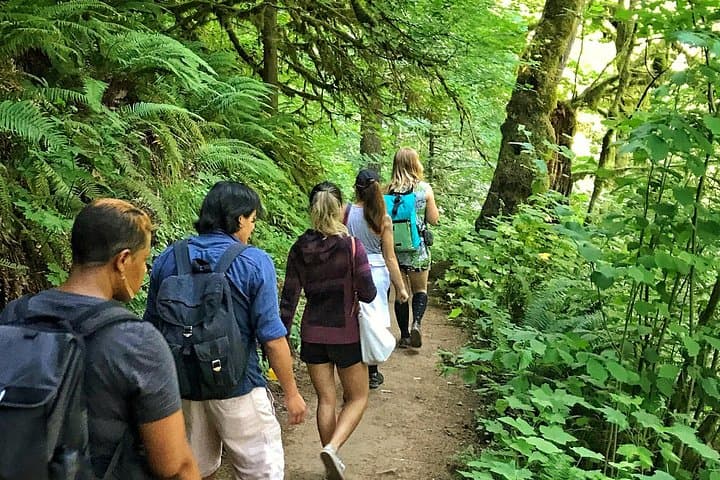
Lose the city for a few hours without leaving it: this 5-mile, 900-foot-gain Forest Park loop threads old-growth pockets, city viewpoints, and cultural landmarks for a compact taste of Portland’s wild side. Expect moss, roots, and stories.