
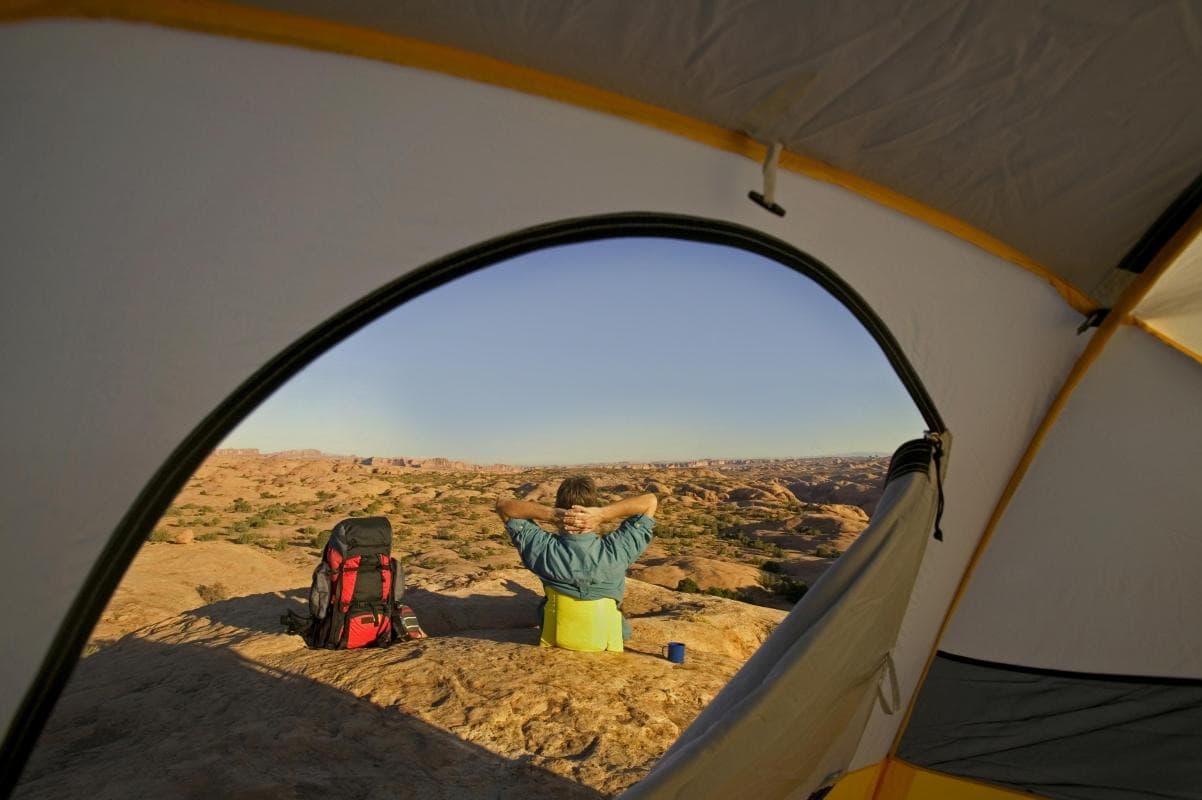
What the day feels like
You can taste the grit in the air before you see the land — a mineral tang that clings to the back of your throat and promises something older than roads, older than roadsigns. The slickrock rolls away from Moab in a rust-colored sea of Navajo sandstone; sunlight knifes across domes and fins, catching every grain like a million tiny lanterns. Engines rattle to life behind you — a chorus of Kawasaki KRXs, custom Hummers and old-school Jeeps — and your guide calls out a final safety check with the calm of someone who knows these ledges and ridgelines like the lines on their palm. Then you climb.
Sand Flats Recreation Area is Moab’s off-road amphitheater: a compact, otherworldly landscape where petrified sand dunes, wave-like slickrock, and named obstacles like Hell’s Gate, Mickey’s Hot Tub, and the Escalator test machines and nerves alike. This isn’t just an adrenaline playground; it’s an open-air classroom in deep time. Dinosaur tracks impressed into the sandstone punctuate the trail, tiny fossilized signatures that remind you the ground beneath the tires was once a wind-baked basin of dunes. From vantage points along Hell’s Revenge and Fins N’ Things you can look west into Arches National Park, east to the La Sal Mountains, and below, the slow blue ribbon of the Colorado River cutting a canyon a thousand feet beneath your wheels.
Geology here is straightforward and spectacular. The sandstone that makes Moab’s scenery a global shorthand for “desert” is the Navajo Sandstone, laid down as sweeping dunes roughly 180–190 million years ago. Weathering and erosion sculpted those dunes into slickrock domes and fins, and the same processes carve the playful obstacles that give drivers—and passengers—those stomach-drop, hair-raising moments. The human story of Sand Flats is equally textured: it’s a place where local outfitters developed a circuit of guided experiences that balance thrills with stewardship. The area plays a starring role in the annual Easter Jeep Safari; generations of local trail guides still pass down route knowledge and oral history about how the trail network evolved.
Travelers come to Sand Flats for one thing — the interface between human ingenuity and raw desert topography. You can book anything from a two-hour hummer ride timed to sunset to a 3.5-hour UTV you-drive experience that will test every driving instinct you have. Companies offer private and shared options, and many tours include stops at dinosaur tracks, panoramic overlooks, and hidden arches. If you drive, expect a hands-on lesson in throttle modulation, line choice, and trust — trust your guide, your vehicle, and the way slickrock rewards bold, steady inputs.
Practicalities are refreshingly simple. Tours typically run 2–3.5 hours; departure windows in morning and golden hour reduce heat exposure and maximize photo moments. Some vehicles require drivers to be 21 with a valid driver’s license and, for certain rental-jeep options, full insurance or no rental-deposit alternatives exist. Tours vary by intensity: “Tip-toe” options let you savor scenery without extreme obstacles; “Xtreme” or rock-buggy runs seek out the named technical features and deliver the high-adrenaline experience that made Hell’s Revenge famous.
When to go matters. Spring and fall deliver temperate days, jasper-colored evenings, and the best balance of comfort and trail conditions; summer can be brutally hot and winter brings cold nights and occasional slick conditions after precipitation. In short: plan for cooler mornings and sunset departures, bring water, and give yourself time to acclimate.
Safety and stewardship blend here. Guides conduct pre-ride safety briefings, fit harnesses and helmets when necessary, and emphasize staying on designated trails — off-trail travel damages cryptobiotic soil that can take decades to recover. Leave no trace matters on a trail defined by its exposed surfaces; pack out what you pack in, and let the dinosaur tracks and desert varnish remain as you found them.
For photographers, Sand Flats rewards planning — wide-angle lenses for foreground-led compositions of domes and fins, a polarizer to deepen the sky and tame glare, and golden-hour windows that saturate reds and oranges. But even quick-phone frames can perform here: silhouette vehicles against the sun-dipped horizon, or capture the tactile close-ups of fossil imprints and the grain of the slickrock.
If you’re wondering whether this is for you, think in terms of appetite and tolerance for rough-and-tumble. Families with older kids will find many operators who cater to mixed-ability groups; thrill-seekers can book the rock-buggy or Xtreme half-day to chase named obstacles; couples and first-timers often pick the sunset hummer runs for a cinematic end to a Moab day. Whatever your choice, Sand Flats delivers a short, concentrated desert immersion that’s as informative as it is exciting.
Back in town, the contrast is part of the experience: grab a beer at one of Moab’s microbreweries, trade dirt-splattered photos over a burger, and plan your next outing — Arches, Canyonlands, mountain biking on the Slickrock Trail. Sand Flats is a taste of Moab’s essential dialect: raw landscape, local expertise, and enough adrenaline to make you laugh and keep you humble at the same time.
In the end, the trail does what any good landscape should: it makes you feel small, alert, and a little more acquainted with time. The slickrock waits; the sun will set; the engines will quiet. And the tracks you leave — whether tire marks or footprints — are best when they’re fleeting.
Trail wisdom
Small choices, better day.
Time your run for golden hour
Sunset and early morning spray the slickrock with dramatic color and lower temperatures — book a sunset tour for the best light and cooler conditions.
Hydrate beyond thirst
Bring at least 1–2 liters per person for short tours and more for longer outings; desert air is deceptively dehydrating.
Wear closed-toe shoes and layers
Supportive closed-toe shoes help when climbing in and out of vehicles; bring a windproof layer as temperatures drop fast after sunset.
Respect cryptobiotic soil and stay on trail
Avoid stepping off marked areas — microscopic soil crusts prevent erosion and take decades to recover if damaged.
Local knowledge
Read the place, not just the route.
Watch for native species including Desert cottontail rabbit, Raven.
Keep an eye out for wildlife during the transition between areas and habitats. Respect distance guidelines.
Operators emphasize staying on designated trails to protect cryptobiotic soils and reduce erosion; pack out all trash and minimize vehicle noise near wildlife.
Follow the guide's instructions on size limits, ethical handling, and leave-no-trace practices.
Dinosaur track pockets in lower-lying fins (ask your guide for exact stops). Small overlooks into the Colorado River canyon that are quieter than the main viewpoints
Locally recommended viewpoints and quiet spots known best to local operators.
Sand Flats’ trails evolved with decades of local off-road use and host features tied to early trail-blazing communities; the area also plays a role in the region’s Jeep Safari tradition.
Maritime roots and regional tradition shape the waterways and working coasts.
Seasonal guide
Four versions of the same landscape.
Spring
Best formoderate temperatures · wildflower season · dinosaur track viewing
Challengesoccasional afternoon storms · variable trail conditions
Spring offers comfortable days and blooming desert flora; expect cooler mornings and the possibility of sudden showers that can make slickrock slippery.
Summer
Best forlong daylight hours · early-morning runs · night photography
Challengesextreme heat · limited midday tours · water needs increase
Summer is hot—schedule early-morning or sunset tours, carry extra water, and avoid mid-day when temperatures soar.
Fall
Best forideal riding weather · vivid sunsets · stable trail conditions
Challengespopular season — book early · cooler evenings
Fall is the sweet spot for most visitors: balanced temps, spectacular light, and reliable trail conditions—reserve tours in advance.
Winter
Best forquiet trails · dramatic low-sun landscapes · clear air for distant views
Challengescold mornings · possible closure after precipitation · shorter daylight
Winter can be cold but serene; watch for brief closures after storms and layer up for brisk mornings and chilly evenings.
Pack with intention
What to bring.
Good to know
Common questions.
Most U-Drive UTV experiences require drivers to be 21 with a valid driver’s license; check the operator’s policy before booking.
Plan the edges
The details that make the day easier.
The Navajo Sandstone exposed at Sand Flats was once enormous cross-bedded dunes—deposited about 180–190 million years ago—whose layers preserve dinosaur footprints still visible today.
Moab’s small downtown blends outdoor culture and hospitality — cozy diners serve hearty breakfasts, local breweries and taco joints fuel post-ride storytelling, and outfitters are often family-run with decades of regional knowledge.
- Duration
- 2–3.5 hrs | Best time: early morning or sunset | Driver min age often 21 | Bring water, sun protection, and closed-toe shoes | Stay on designated trails
Choose operators that follow Leave No Trace, stay on marked routes to protect cryptobiotic soils, and avoid idling engines near sensitive wildlife or archaeological sites.
Explore by topic
Follow the threads.
Keep exploring
Make the story part of the trip.
Set out from Bass Harbor for a private, customizable day on Blue Hill Bay — lighthouses, puffins, seals, and the chance to feel Acadia from the water. Small groups, local captains, unforgettable views.
In four hours you can move from shaded canyon ferns to wind-scoured coastal ridgelines, guided by someone who knows where the light—and the hidden views—live. This private half-day hike on the Monterey Peninsula or Big Sur is compact, curated, and perfect for travelers who want depth without a multiday commitment.
 Related story
Beneath a sky of shifting light, Skaftafell’s ice reads like a map of time. This three-hour guided glacier hike mixes technical instruction with geology and culture: compact, safe, and unforgettable.