
What the day feels like
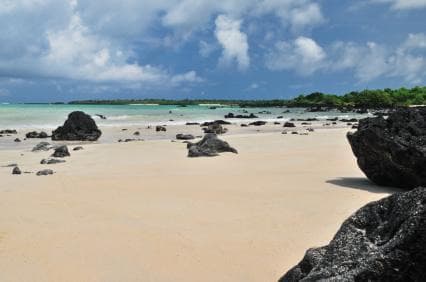
The first thing you notice at El Garrapatero is how the island exhales. Leave Puerto Ayora’s bustle behind and, after a short drive across Santa Cruz’s low, cactus-scattered highlands, the road opens to a strip of white sand cupped by pale mangroves and shallow, warm water. Wind threads through the mangrove leaves; the surf here is polite, the way the Galápagos seems to prefer. A handful of visitors move at the pace of the place: slow, deliberate, unhurried.
El Garrapatero (Playa El Garrapatero) feels small and purposeful. It’s a beach that does not try to be an oceanwide spectacle; its pleasures are specific—soft sand underfoot, a shallow lagoon that mirrors the sky, and the patient choreography of shorebirds and distant marine iguanas. The beach is bookended by mangrove fringes that are as important to the scene as the sand itself—habitat, nursery, refuge. On a typical day you’ll see people set up a picnic, snorkel close to shore, launch a kayak for a short paddle, or bike the coastal dirt roads that pass through this quiet corner of Santa Cruz.
The human story here threads into the broader narrative of the Galápagos. El Garrapatero sits within Galápagos National Park, a protected web of islands whose isolation produced species that reshaped scientific ideas about evolution. Local guides—bilingual naturalists who accompany many of the day trips—use Garrapatero to teach the island’s ecological rules: why mangroves matter, how shorelines are breeding grounds, and why visitors must move slowly and respectfully. The result is an experience that’s both scenic and didactic: you come for the beach but leave with a clearer sense of how fragile and interconnected these ecosystems are.
Geologically, Santa Cruz is young and understated. El Garrapatero’s sand owes its color to reef and volcanic stone worn gentle by time and tide. The shoreline is shallow with small rock outcrops and sandbars; the coastal flats warm quickly under the sun. It’s a place shaped by salt and lava, and the tide charts read like a map of opportunities—low tide reveals tide pools and tiny crustaceans; high tide invites a brief, easy snorkel among rays and small reef fish.
How travelers use Garrapatero varies. Day trips from Puerto Ayora make this a half‑day escape—picnic on the sand, watch flamingos (in the nearby brackish pools on the right days), then take a short snorkel or sit under a shade umbrella with a guide’s explanation of the mangrove root systems. Active travelers will string Garrapatero into a larger itinerary: kayak or pedal-board along the calm inner bays, cycle the nearby dirt paths, or join a day combining Cerro Mesa’s panoramic viewpoint with a seaside picnic at Garrapatero.
Practicalities matter here because the pull of the beach is simple but the logistics of island travel are not. The access road is unpaved in spots and the final approach is a short walk from parking; bring sun protection and water, and plan your trip around the tide if you hope to snorkel. Facilities are minimal—expect toilets and a small shade area at the parking lot rather than a full-service beach resort.
Why go? For one thing, Garrapatero is accessible: it’s a quick, scenic transition from the rhythms of Puerto Ayora and an excellent primer to the Galápagos’ coastal ecosystems. It’s also a place where active and gentle pursuits coexist—families can picnic while more adventurous types paddle, cycle, and snorkel nearby. And because the beach is managed within the national park, visitor numbers are moderated; the experience feels private even when the island is moderately busy.
If you’re planning a day here, add Cerro Mesa to your itinerary for a 360-degree perspective of Santa Cruz, then drop down to Garrapatero for lunch and a calmer afternoon of snorkeling or birding. For multisport itineraries—those that combine hiking, cycling, kayaking, and guided wildlife walks—use Garrapatero as a restorative endpoint after a morning of exertion. Local operators offer packages that pair Garrapatero with other highlights across Santa Cruz, and small-group options provide the structure many travelers appreciate.
Keep the environmental frame close: the Galápagos is a working laboratory and a delicate living landscape. Stay on marked paths, avoid touching wildlife, and use reef-safe sunscreen. These aren’t abstract rules; they are the daily practices that keep places like Garrapatero viable for generations of visitors—and for the endemic species that live here.
In short, El Garrapatero Beach is less a single attraction than a versatile shorefront classroom and playground. It’s a spot to learn slowly—about currents, crustaceans, and the quiet logic of an island system—while enjoying simple pleasures: floating in warm water, watching a dozen birds line up like punctuation along the lagoon, or eating a picnic while mangroves shade a calm afternoon. For anyone building a Galápagos trip that wants saltwater and shore, ecology and ease, Garrapatero is an essential, unflashy stop that reminds you why travel that treads lightly often leaves the deepest impression.
Trail wisdom
Small choices, better day.
Time your visit for low tide
Low tide exposes tide pools and increases shore snorkeling opportunities—arrive early or check local tide charts.
Bring reef‑safe sunscreen and a hat
The tropical sun is intense on the exposed sand; use reef‑safe SPF to protect both you and the marine environment.
Footwear for mixed terrain
Water shoes handle rocky entry points and short hikes between parking and the sand better than bare feet.
Keep snacks and water handy
Facilities are basic—carry enough water and a picnic so you can linger without returning to town.
Local knowledge
Read the place, not just the route.
Watch for native species including American flamingo, Marine iguana.
Keep an eye out for wildlife during the transition between areas and habitats. Respect distance guidelines.
The beach is managed under national park rules—stay on marked paths, use reef‑safe sunscreen, and avoid feeding or touching wildlife to minimize human impact.
Follow the guide's instructions on size limits, ethical handling, and leave-no-trace practices.
Small brackish pools near the eastern edge where flamingos and waders gather. Nearby dirt roads for short, scenic cycling loops that show inland highland scenery
Locally recommended viewpoints and quiet spots known best to local operators.
El Garrapatero is part of Galápagos National Park; its coastal flats and mangroves have long been used by local communities for small-scale fishing and ecotourism.
Maritime roots and regional tradition shape the waterways and working coasts.
Seasonal guide
Four versions of the same landscape.
Spring
Best forBirdwatching · Calmer seas for paddleboarding
ChallengesOccasional rains · Higher humidity
Spring brings warming seas and active shorebirds; afternoon showers are possible, so pack a light shell.
Summer
Best forWarm-water snorkeling · Longer daylight for paddling
ChallengesPeak visitor season · Stronger sun exposure
Summer months yield the warmest water and best visibility for snorkeling—expect more visitors and bright sun.
Fall
Best forQuiet beaches · Good cycling conditions
ChallengesVariable winds · Cooler morning temperatures
Fall balances lower crowds with pleasant cycling weather; morning wind can pick up, so plan activities accordingly.
Winter
Best forMigratory bird watching · Drier trails inland
ChallengesCooler water temperatures · Choppier seas some days
Winter brings cooler currents and clearer air; snorkeling can be brisk—bring a short wetsuit or rash guard.
Pack with intention
What to bring.
Good to know
Common questions.
Most visitors reach Garrapatero by a 20–40 minute drive east from Puerto Ayora via a mix of paved and dirt roads; many day tours include transport.
Plan the edges
The details that make the day easier.
El Garrapatero lies within Galápagos National Park and features mangrove-lined flats and a small lagoon where shorebirds—including occasional flamingos—feed; its protection helps conserve critical bird and marine habitats.
Puerto Ayora supplies Garrapatero with local guides, packed lunches of fresh ceviche or grilled fish, and small craft vendors; supporting local operators helps the archipelago’s economy and conservation efforts.
- Distance from Puerto Ayora
- ~30–45 minutes by road; facilities: basic; best activities: snorkeling, kayaking, birdwatching; recommended time: half‑day to full day.
Use reef‑safe products, stay on marked trails, avoid single‑use plastics, and book certified naturalist guides to ensure your visit supports conservation.
Explore by topic
Follow the threads.
Keep exploring
Make the story part of the trip.
Set out from Bass Harbor for a private, customizable day on Blue Hill Bay — lighthouses, puffins, seals, and the chance to feel Acadia from the water. Small groups, local captains, unforgettable views.
In four hours you can move from shaded canyon ferns to wind-scoured coastal ridgelines, guided by someone who knows where the light—and the hidden views—live. This private half-day hike on the Monterey Peninsula or Big Sur is compact, curated, and perfect for travelers who want depth without a multiday commitment.
 Related story
Beneath a sky of shifting light, Skaftafell’s ice reads like a map of time. This three-hour guided glacier hike mixes technical instruction with geology and culture: compact, safe, and unforgettable.