
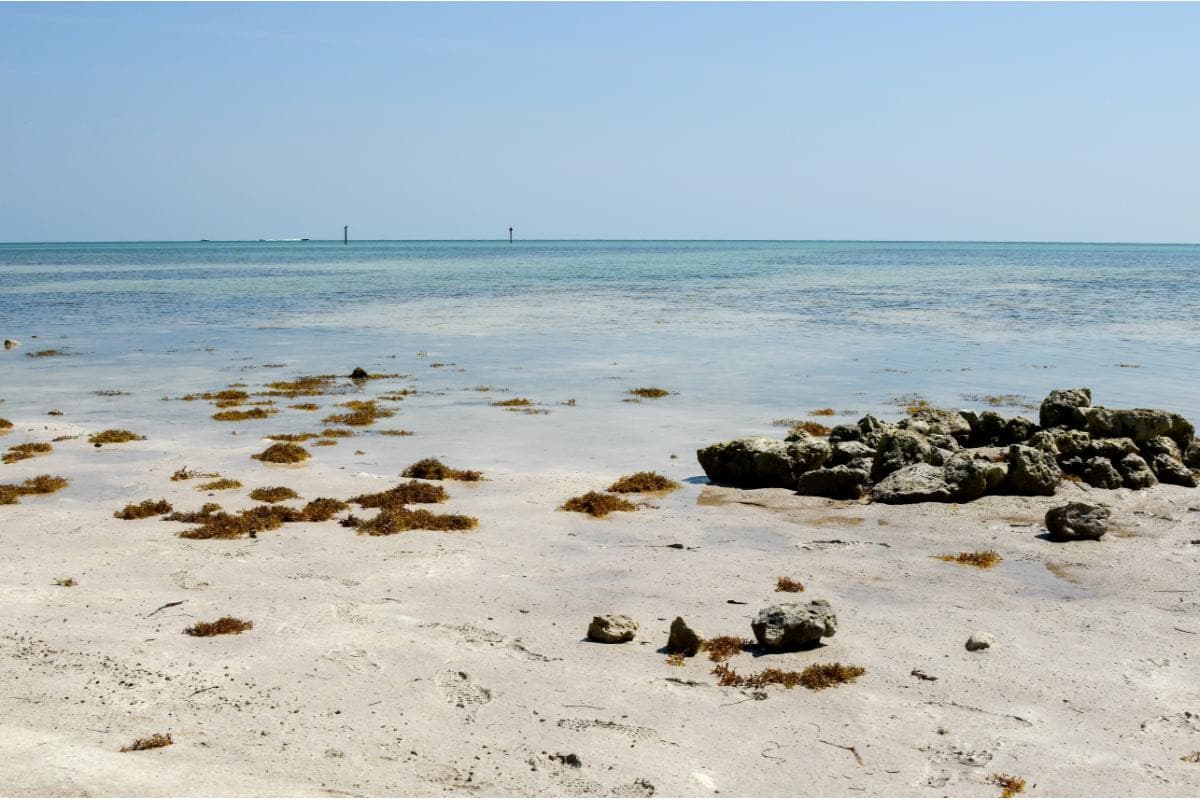
What the day feels like
The sun low and syrup-thick over the Florida Keys, the water at Anne’s Beach blurs the line between sea and sky. You step from the narrow strip of boardwalk onto a sand-flat warmed by the afternoon sun; the Atlantic laps at your ankles with the casual insistence of a place that has all the time in the world. Mangrove roots and a weathered picnic pavilion anchor a shoreline that, at first glance, looks modest—no high-rise resorts, no crowded volleyball nets—only a handful of families, a couple of snorkelers, and a breeze that smells faintly of lime and sunscreen. This is Anne’s Beach: a small, deliberate pause on U.S. 1 where the Keys loosen their pace and invite you to do the same.
Anne’s Beach is a lesson in accessible coastal ecology. The public access boardwalk threads through shallow flats and small patches of mangrove, offering views into the miniature ecosystems that make the Keys uniquely resilient. Walkers and kayakers trade polite nods; children point at bright orange hermit crabs; pelicans hover with the impatient focus of ocean-born hunters. It’s not about a dramatic vista so much as the intimacy of being able to read the shoreline like a living page. For anyone who appreciates subtle coastal dynamics—the way ripples change with a passing breeze, the way seabirds use the tides as timing devices—Anne’s Beach is quietly enthralling.
Geologically the Keys are the exposed remnants of fossilized coral and oolitic limestone, and Anne’s Beach sits on these low-lying flats where the Atlantic stirs life into shallow water. The surrounding mangrove edges are more than scenic—they’re nursery grounds, storm buffers, and carbon sinks. Historically, Islamorada grew as a fishing and seafaring community, and that maritime sense of place still hums in the town’s small docks, bait shops, and seafood tables. The Keys' culture is a mosaic of Bahamian, Cuban, and southern Floridian influences; at Anne’s Beach you encounter a tiny cross-section of that culture—a family grilling near the picnic tables, a local giving tips on where the conch are biting, a placid conversation about tide times.
Practical travelers will appreciate how Anne’s Beach functions as both a destination and a staging ground. The beach’s boardwalk and shallow flats make it ideal for low-key snorkeling and wading, and it pairs exceptionally well with organized day trips that bring deeper context to the ecosystem. One popular option is the Fort Lauderdale to Islamorada Tour with Boat Ride and Lunch, which combines a nature walk at this very shoreline with a mangrove ecotour by boat, lunch at an oceanside restaurant, and free time at a marina. The day tour is an efficient way to layer experiences: learning about coastal ecology from a trained naturalist, seeing mangrove channels from a small craft, and then touching the sand and water at Anne’s Beach with a new appreciation for what you just observed from the boat.
Timing is everything. The magic of Anne’s Beach is its shallow, clear water and languid marine life—best seen when the tide is mid to low and the sun throws detail into the flats. Afternoons are warm and luminous; early mornings provide cooler temperatures and calmer water. Weekends and holiday afternoons can be busier, but even then the low-profile facilities and open space prevent that congested beachfront vibe. Bring a sun hat, reef-safe sunscreen, and a sense of patience; the beach rewards slow observation rather than hurried photo ops.
If you’re organizing your day, combine a walk on the boardwalk at Anne’s Beach with a short mangrove-focused boat trip. A naturalist-led cruise will point out juvenile fish, fiddler crabs, and the protective tangles of red mangrove prop roots that define so much of the Keys’ shoreline. Afterward, eat where locals eat—fresh ceviche or a grilled snapper at a waterside cafe does more than fill you up; it connects the day’s ecology to the people who live off these waters.
Practicalities and packing are straightforward. Footwear that can get wet and protect against rough shell, a lightweight long-sleeve for sun protection, and a small dry bag for your phone will cover most scenarios. Water and snacks are advisable—the picnic tables are there, but services directly at the beach are limited. If you’re arriving via a booked day tour from Fort Lauderdale, confirm roundtrip pickup times and any restrictions on snorkeling gear; many tours provide basics but suggest you bring personal masks and reef-safe sunscreen.
Anne’s Beach is not a place for adrenaline sports; it’s a place for close-looking. Kayaks and paddleboards glide across its shallow waters, snorkelers peer into the flats, and birders track herons and egrets that stand like sentries at the water’s edge. If you want louder experiences—deep-sea fishing, offshore snorkeling on coral reefs—plan for a longer boat trip out of the marina. But if your aim is to feel the Keys’ ecosystems with your feet and senses, to let the tide set the day’s tempo, Anne’s Beach does that with a quiet competence.
Conservation conversations thread through a visit here. The Florida Keys face rising seas, warming waters, and development pressures; local stewardship efforts focus on protecting mangroves, reducing plastic and chemical runoff, and promoting responsible fishing. The small act of using reef-safe sunscreen, carrying out what you bring in, and keeping a respectful distance from wildlife helps maintain the subtle balance that makes Anne’s Beach worth visiting.
There’s a humility to this beach that’s refreshing. No heroics, no curated luxury—just a slice of coastline that encourages you to slow your pace, notice the small things, and understand how the sea and shore cooperate to sustain a delicate community. Leave with sand between your toes and a sharper sense of what coastal life in the Keys looks like up close—then plan your next trip out to the reefs or the mangrove channels, because the Keys always have more to teach.
Trail wisdom
Small choices, better day.
Time your tide
Visit at mid to low tide for clearer snorkeling and easier wading through the flats.
Choose reef-safe sunscreen
Protect coral and marine life by using reef-safe sunscreen and avoiding aerosol sprays.
Bring water shoes
Shells and seagrass can be sharp; lightweight water shoes protect feet without trapping sand.
Combine with a boat tour
Book a mangrove ecotour (many include pickup from nearby marinas) to see juvenile fish and birdlife from the water.
Local knowledge
Read the place, not just the route.
Watch for native species including great blue heron, brown pelican.
Keep an eye out for wildlife during the transition between areas and habitats. Respect distance guidelines.
Local groups focus on mangrove protection and reef conservation; visitors are encouraged to use reef-safe sunscreen and practice leave-no-trace principles.
Follow the guide's instructions on size limits, ethical handling, and leave-no-trace practices.
Short boardwalk side trails that open onto quieter sand flats. Nearby small marinas with local boats offering half-day reef trips
Locally recommended viewpoints and quiet spots known best to local operators.
Islamorada developed as a fishing and seafaring community; small public beaches like Anne’s Beach reflect the Keys’ long relationship with coastal life and local stewardship.
Maritime roots and regional tradition shape the waterways and working coasts.
Seasonal guide
Four versions of the same landscape.
Spring
Best formild weather · birdwatching · calmer water
Challengessporadic rain · spring-break crowds
Spring offers pleasant temperatures and active birdlife, though weekends can feel busy during spring break periods.
Summer
Best forwarm water wading · evening sunsets · marine life spotting
Challengeshurricane season risk · strong sun and heat
Summer is hot and vibrant—best for late-afternoon swims and long sunsets but prepare for heat and tropical storms.
Fall
Best forfewer crowds · hurricane-clear days · warm water
Challengesresidual storm activity early fall · variable sea conditions
Fall sees fewer visitors and still-warm water, but keep an eye on storm forecasts during hurricane season.
Winter
Best forcooler walks · clear skies · calm seas
Challengescooler water temperatures · limited swimming comfort for some
Winter brings mild daytime temperatures and clear conditions that are ideal for walking the boardwalk and wildlife watching.
Pack with intention
What to bring.
Good to know
Common questions.
Yes—Anne’s Beach has shallow, calm water ideal for wading and casual swimming; for deeper-water snorkeling or reef diving, book a boat trip to offshore reefs.
Plan the edges
The details that make the day easier.
Anne’s Beach sits along shallow flats and mangrove edges that serve as important nursery habitat for commercial fish species, helping sustain local fisheries in the Florida Keys.
Dine like a local—seek out fresh-caught snapper, conch fritters, and citrus-forward cocktails at nearby waterfront eateries; vendors and small marinas keep the Keys’ fishing heritage alive.
- Parking
- small lot off U.S. 1; Fees: typically free; Facilities: boardwalk, picnic tables, limited restrooms; Accessibility: partial boardwalk access; Safety: watch tides and weather updates.
Use reef-safe products, remove trash, and avoid stepping on seagrass—small behaviors help protect mangrove nurseries and coral reef systems.
Explore by topic
Follow the threads.
Keep exploring
Make the story part of the trip.
Set out from Bass Harbor for a private, customizable day on Blue Hill Bay — lighthouses, puffins, seals, and the chance to feel Acadia from the water. Small groups, local captains, unforgettable views.
In four hours you can move from shaded canyon ferns to wind-scoured coastal ridgelines, guided by someone who knows where the light—and the hidden views—live. This private half-day hike on the Monterey Peninsula or Big Sur is compact, curated, and perfect for travelers who want depth without a multiday commitment.
 Related story
Beneath a sky of shifting light, Skaftafell’s ice reads like a map of time. This three-hour guided glacier hike mixes technical instruction with geology and culture: compact, safe, and unforgettable.