
What the day feels like
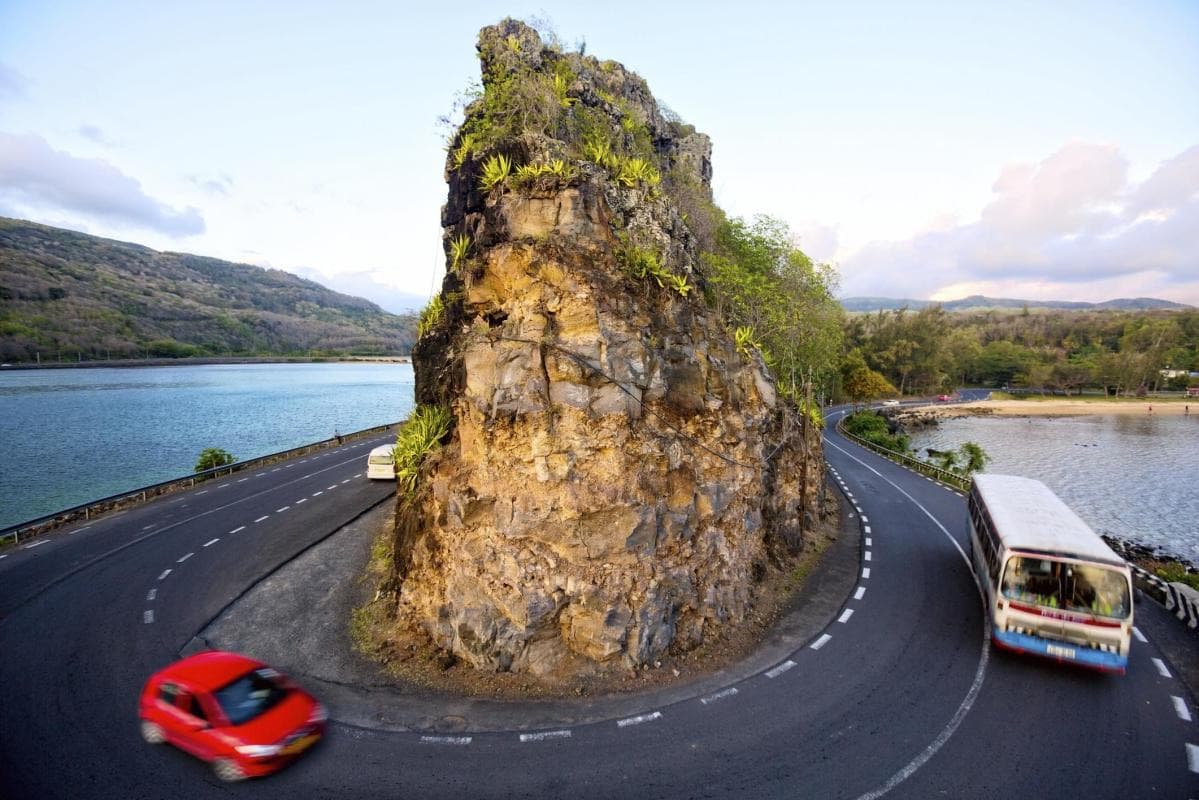
The wind arrives from the Southern Ocean without ceremony. It barrels across low sugarcane fields, presses the surf against black basalt cliffs and strips the sugar-white foam into suspended threads you can almost read like handwriting. Stand at Gris Gris—Savanne’s weather-battered edge—and the island’s cultivated calm snaps into a rawer rhythm: waves that have never been hushed by a coral reef slap the shore with a deliberate force, and the land answers in a language of steep gullies, red earth and resilient villages.
Savanne District is the southern flank of Mauritius, a place where the island’s volcanic skeleton shows through and human use has been a layer on top rather than a transformation. Here you’ll find the kind of coastal drama photographers chase (Gris Gris), waterfalls that seem to leak out of plantation country (Rochester Falls), and pockets of biodiversity and history—La Vanille reserve’s tortoises and crocodiles, Creole hamlets that still reverberate with sega music—arranged against a geography that invites walking, short coastal treks and a measured curiosity.
Geology explains much of Savanne’s character. Mauritius is a pile of volcanic flows; the southern coast, repeatedly chewed by seaward waves since the lava cooled, has scoured away the protective coral fringing common elsewhere on the island. The result: sheer cliffs and surf that will test your idea of “moderate.” Inland, hardened basalt and pockets of fertile soil made sugarcane the economic constant for centuries. Plantation rhythms shaped roads, villages and a distinct local culture centered on the land’s yield and seasonal labor.
History here is a layered ledger. Colonial plantations and their associated sugar mills dotted the district by the 18th and 19th centuries, leaving behind field patterns, sluices and small villages whose demographics were altered by waves of indentured laborers from India and by earlier French colonial administration. Today, Creole identity and Indian heritage are woven into daily life—food stalls sell dholl puri and mine frictions of spice; cassava and coconut-based dishes sit beside curries. Save some time for a plate and a conversation—this is where the island’s working life still shows its face.
Outside of towns like Souillac, the rhythm slows. Souillac itself is the practical hub for exploring Savanne—small hotels, a market, and the easiest access point for excursions south. From there, Gris Gris is a short drive: a place to watch waves punch at black cliffs and to feel how open ocean weather can dictate a day. Rochester Falls, a few kilometers inland, is an easy interlude—walk under a palm canopy to a curtain of water that collects in a shallow pool, the basalt carved into smooth steps and palm fronds offering sympathetic shade.
For travelers, Savanne is not about conquering a challenge as much as reading landscape layers. A coastal loop can be stitched together—Gris Gris at sunrise when the ocean’s force is lit from the side, a late-morning coffee in Souillac, a gentle walk to Rochester Falls in the heat of the afternoon, and an evening at La Vanille Reserve if you want animal encounters and a glimpse of conservation work (giant tortoises and Nile crocodiles among the highlights). Daytime distances are modest: coastal walks often total 2–5 km round-trip, with mostly even terrain; a typical inland hike to viewpoints can be 5–8 km with 200–300 meters of elevation change depending on the chosen trail.
Practical planning tips are straightforward. Rent a car—public transit between dispersed sites is limited and slow. Bring sun protection and a windproof layer; the southern coast is exposed and can change from placid to bracing in minutes. Water, good shoes for short rocky sections, and reef-safe sunscreen are essentials. Timing matters: early morning or late afternoon give you softer light and fewer day-tripper crowds at the popular overlooks.
Savanne is also an excellent place to practice low-impact travel. Trails are short but sensitive; sticking to paths and supporting local guides and eateries helps keep tourism small and beneficial. If you visit La Vanille or other reserves, look for facilities that reinvest in conservation and education; your entry fee should contribute to protection and rehabilitation efforts.
Who should come? Savanne suits adventurous travelers who like to pair coastal spectacle with easy to moderate walking, people who prefer local culture served up in small-town settings, and photographers chasing dramatic ocean light without the crowds of more commercial tourist centers. Families can have a rewarding day itinerary here—short walks, wildlife viewing and a beach picnic—so long as you choose sheltered spots and respect the ocean’s raw energy.
In short: Savanne District rewards a deliberate pace. It’s not the glossy postcard side of Mauritius; it’s the island’s other face—salt-breathing, basalt-backed and quietly insistent. Come for the cliffs and the waterfalls, stay for the food and the small conversations, and leave with a clearer sense of how this island’s southern edge holds the memory of the sea.
Trail wisdom
Small choices, better day.
Watch the surf at Gris Gris
The southern coast has no protective reef—stay behind barriers, keep children close, and avoid cliff edges when waves are rough.
Plan for short hikes
Most walks are 2–8 km with modest elevation; bring sturdy shoes for rocky sections and expect uneven, sometimes muddy terrain after rain.
Support local stalls
Stop in Souillac for a dholl puri or fresh juice—the small food vendors support local families and offer authentic flavors.
Bring reef-safe sunscreen
If you swim near beaches or visit coral areas, use reef-safe sunscreen to protect fragile marine ecosystems.
Local knowledge
Read the place, not just the route.
Watch for native species including Aldabra and other giant tortoises at La Vanille, Numerous seabirds and occasional sea turtles off the coast.
Keep an eye out for wildlife during the transition between areas and habitats. Respect distance guidelines.
Conservation efforts focus on habitat protection and wildlife rehabilitation; visitors should support accredited reserves and follow trail guidelines to reduce impact.
Follow the guide's instructions on size limits, ethical handling, and leave-no-trace practices.
A sunrise visit to a lesser-known rocky cove east of Gris Gris for calmer light. Handful of roadside stalls selling freshly made dholl puri near Souillac’s market
Locally recommended viewpoints and quiet spots known best to local operators.
Savanne’s landscape reflects its plantation history—sugarcane shaped settlement patterns and labor demographics, leaving a strong Creole cultural imprint.
Maritime roots and regional tradition shape the waterways and working coasts.
Seasonal guide
Four versions of the same landscape.
Spring
Best forWildflowers and quieter trails · Waterfall flow after winter rains
ChallengesOccasional showers · Warmening temperatures toward summer
Spring (Sept–Nov) offers warming days and lively vegetation—expect intermittent rain and comfortable hiking conditions.
Summer
Best forLush inland greenery · Wild ocean displays
ChallengesHot, humid weather · Higher cyclone risk Nov–Apr
Summer brings vibrant landscapes but also humidity and the cyclone season—monitor forecasts and avoid exposed coastal cliffs on stormy days.
Fall
Best forCalmer seas after summer · Good light for photography
ChallengesVariable winds · Some residual humidity
Fall (Mar–May) is a transitional period with mellowed temperatures and excellent coastal light for shooting landscapes.
Winter
Best forDry, cooler hiking · Clearer skies and mild days
ChallengesStronger southern winds · Cool nights
Winter (May–Oct) is the driest, most comfortable time for walking and exploring Savanne’s outdoor highlights.
Pack with intention
What to bring.
Good to know
Common questions.
Renting a car is the most efficient way to explore: sites are spread out and public transport is limited; guided tours are available from Souillac for key attractions.
Plan the edges
The details that make the day easier.
Gris Gris on Mauritius’s southern coast lacks a protective coral reef, so waves crash directly onto volcanic cliffs—making it one of the island’s most dramatic ocean-facing shorelines.
Sega music, Creole cuisine and sugarcane heritage define Savanne—try dholl puri from a market stall, listen for drum-led sega at community gatherings, and seek out rum distillery tastings tied to plantation histories.
Choose accredited reserves, use reef-safe sunscreen, stay on marked trails and patronize local food vendors to ensure tourism benefits communities and ecosystems.
Explore by topic
Follow the threads.
Keep exploring
Make the story part of the trip.
Set out from Bass Harbor for a private, customizable day on Blue Hill Bay — lighthouses, puffins, seals, and the chance to feel Acadia from the water. Small groups, local captains, unforgettable views.
In four hours you can move from shaded canyon ferns to wind-scoured coastal ridgelines, guided by someone who knows where the light—and the hidden views—live. This private half-day hike on the Monterey Peninsula or Big Sur is compact, curated, and perfect for travelers who want depth without a multiday commitment.
 Related story
Beneath a sky of shifting light, Skaftafell’s ice reads like a map of time. This three-hour guided glacier hike mixes technical instruction with geology and culture: compact, safe, and unforgettable.