
What the day feels like
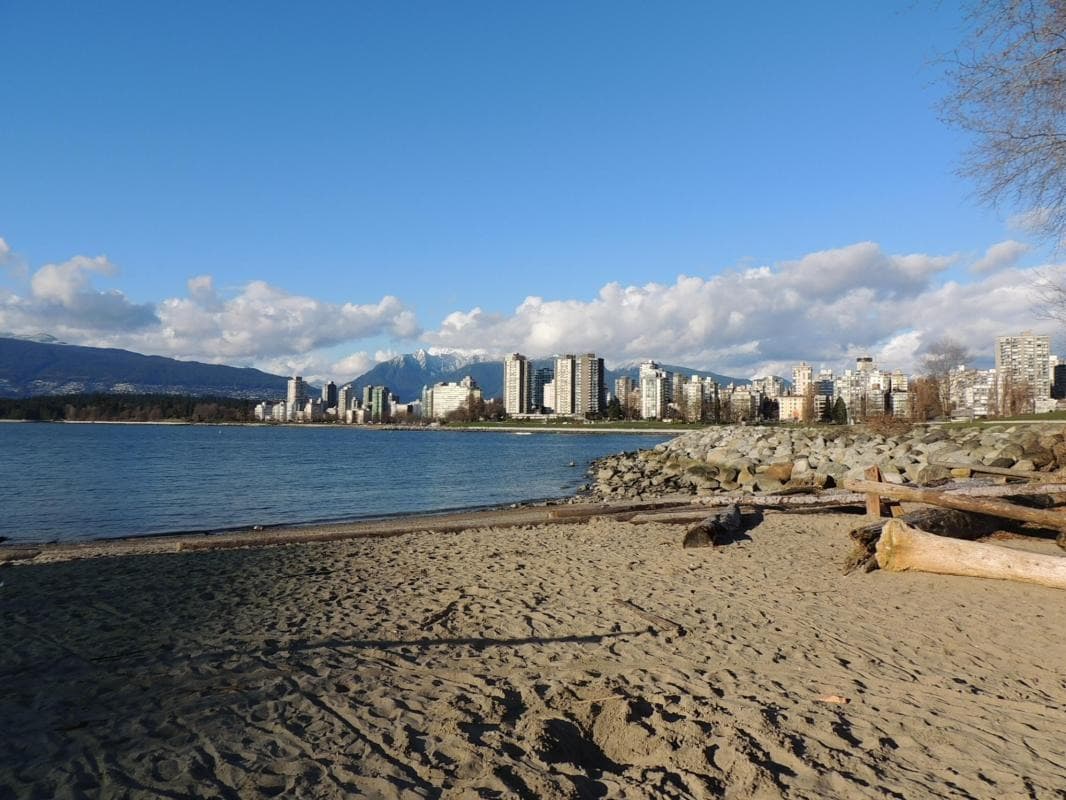
The first breath of Kitsilano Beach is a salt-sweet inhale of Vancouver: a line of breakers tapping a flat shore, a ferry engine grumbling in the near distance, and the North Shore mountains holding their calm like an old promise. On a July morning the sand is warm enough to make the soles sing and the seawater—still cool from spring melt—daring you to wade in. Cyclists thread the seawall past beach volleyball nets, toddlers build precarious sand towers under big-brimmed hats, and kayaks knot the water, tiny bright commas against the glassy bay.
Kitsilano Beach — Kits to locals — is played as much as it is visited. It sits on the south edge of English Bay, where city and shoreline trade favors: you get a skyline that reads like a turned postcard and the city gets a place to exhale. The scene is effortless but layered: decades of surf culture, a tight-knit neighborhood life, and the steady background of Indigenous history that predates the first boardwalk.
Geology and history are visible if you look for them. The beach itself is a product of glacial retreat and tidal choreography; sand and cobble settle on a gentle foreshore that becomes an outdoor stage between high and low tides. For millennia this stretch of coastline belonged to the Musqueam, Squamish and Tsleil-Waututh peoples, whose relationship with the water — from salmon runs to canoe travel — is woven into the shoreline. European settlement in the 19th and early 20th centuries turned the area into a recreational escape, and by the mid-1900s Kitsilano Pool, the lawn, and the seaside bath culture were well established.
Those layers make Kitsilano an ideal base for small, focused water and shore adventures. The beach itself is a launchpad: sit-on-top and sea-kayak trips thread English Bay and False Creek; twenty- to fifty-foot sailboats parade on the horizon; and sunset bike tours sweep along the seawall linking Stanley Park to Kits and beyond. Each activity has its own rhythm. A morning kayak is precise and contemplative—the paddling cadence matches water temperature and light. A sailing outing is looser, wind-driven and small-group social. Bike tours are kinetic, moving through neighborhoods and beaches with stops at saltwater pools and lookouts that demand photographs.
Wildlife encounters are part of the draw. Harbor seals haul out on rocky outcrops; occasional porpoises dart in the channel; bald eagles and great blue herons hunt the shoreline. Operators running boat and kayak trips know how to read tides and give animals respectful space, so wildlife becomes an unforced, memorable surprise rather than a checklist.
Practical: the beach is accessible year-round, but the experience and required kit shift with seasons. In summer expect warm sun, lifeguards, crowded weekends and water that sits in the mid to high teens Celsius (55–68°F). Spring and fall bring wind-driven water sports and quieter beaches; winter is the time for bracing walks and storm-watching, not swimming. For urban adventurers the seawall is a gift: a flat, paved ribbon perfect for e-bike tours (the local private sunset bike/e-bike tour is a flattering way to see Kitsilano at dusk), while boat-charter and sailing companies run short, seal-focused cruises from English Bay and Granville Island.
Why go now? Kitsilano balances ease with variety: it’s a single place where families, swimmers, sea-kayakers, sailboat crews and cyclists can each find an ideal version of the day. It’s a place where you can follow a quick paddle with coffee on the beach, or land from a sail and walk five minutes to a neighborhood cafe. For photographers and small-group travelers the light at golden hour makes a compelling argument to linger.
Plan like a local: check tide tables if you’re kayaking near low water, bring a thin wetsuit or neoprene top outside high summer, and book popular boat or kayak tours a day or two in advance during July and August. If you’re biking, choose an e-bike for the range and to keep the group together; for sailing, expect chilly winds even on sunny afternoons—layers matter.
Kitsilano is not a wilderness expedition; it’s a well-equipped coastal experience where a little preparation yields big rewards. Respect the shoreline’s seasonal rhythms, give wildlife their space, and you’ll leave with the sort of easy, weathered smile that comes from a day well spent between city and sea.
Trail wisdom
Small choices, better day.
Time the tides for kayaking
Launch close to high slack water for easier paddling and safe passage around rocky points; check local tide charts before you go.
Layer for wind, not just sun
Even warm afternoons can turn chilly on the water—bring a wind shell or thin neoprene top.
Respect wildlife viewing distances
If you see seals or shorebirds, keep 30–50m distance and let trip leaders know if animals approach.
Use the seawall for safe cycling
Stick to designated lanes, yield to pedestrians, and consider an e-bike for longer sunset tours to keep pace and conserve energy.
Local knowledge
Read the place, not just the route.
Watch for native species including Harbor seals, Bald eagles.
Keep an eye out for wildlife during the transition between areas and habitats. Respect distance guidelines.
Local groups run shoreline cleanups and operators follow best practices for wildlife viewing to minimize disturbance to seals and birds.
Follow the guide's instructions on size limits, ethical handling, and leave-no-trace practices.
Kitsilano Pool — a large outdoor saltwater pool overlooking the beach. Jericho Sailing Centre and smaller rocky coves east of the main beach for quieter paddling
Locally recommended viewpoints and quiet spots known best to local operators.
The shoreline sits on traditional territory of the Musqueam, Squamish and Tsleil-Waututh peoples; modern beach recreation expanded in the 20th century with public pools and seawalls.
Maritime roots and regional tradition shape the waterways and working coasts.
Seasonal guide
Four versions of the same landscape.
Spring
Best forpaddling in steady winds · birdwatching · quieter beaches
Challengescool water temps · unpredictable weather
Spring brings steady winds and fewer crowds—great for experienced paddlers and birdwatchers, but bring layers and a splash top.
Summer
Best forswimming · sunset bike tours · family beach days
Challengescrowds on weekends · warmer midday sun
Peak season for swimming and boat trips; expect lifeguards, busy parking, and warm sun—arrive early for prime spots.
Fall
Best forstorm-watching walks · surf and wind sports · photography
Challengesshorter days · cooler air and water
Autumn offers dramatic skies and dynamic sea conditions—good for storm walks and moody photography, but dress for cold winds.
Winter
Best forbracing shoreline hikes · quiet beaches · birding
Challengescold, wet weather · limited water activity options
Winter is about walks, storms and solitude; water activities are less common, so focus on coastal scenery and cafés.
Pack with intention
What to bring.
Good to know
Common questions.
Yes, but summer offers the safest and warmest conditions with lifeguards on duty; water temperatures fall into spring and fall, so use caution outside peak months.
Plan the edges
The details that make the day easier.
Kitsilano Pool is one of the largest outdoor saltwater pools in North America and has been a landmark feature of the beach since the mid-20th century.
Kitsilano is a neighborhood of independent cafés, vintage shops and long-standing eateries—think casual, health-focused West Coast cuisine and vibrant weekend markets that feed the beach crowd.
Use refillable bottles, stay on marked trails and beaches, follow operator guidance around wildlife, and join a local beach cleanup to give back to the coastline.
Explore by topic
Follow the threads.
Keep exploring
Make the story part of the trip.
Set out from Bass Harbor for a private, customizable day on Blue Hill Bay — lighthouses, puffins, seals, and the chance to feel Acadia from the water. Small groups, local captains, unforgettable views.
In four hours you can move from shaded canyon ferns to wind-scoured coastal ridgelines, guided by someone who knows where the light—and the hidden views—live. This private half-day hike on the Monterey Peninsula or Big Sur is compact, curated, and perfect for travelers who want depth without a multiday commitment.
 Related story
Beneath a sky of shifting light, Skaftafell’s ice reads like a map of time. This three-hour guided glacier hike mixes technical instruction with geology and culture: compact, safe, and unforgettable.