
What the day feels like
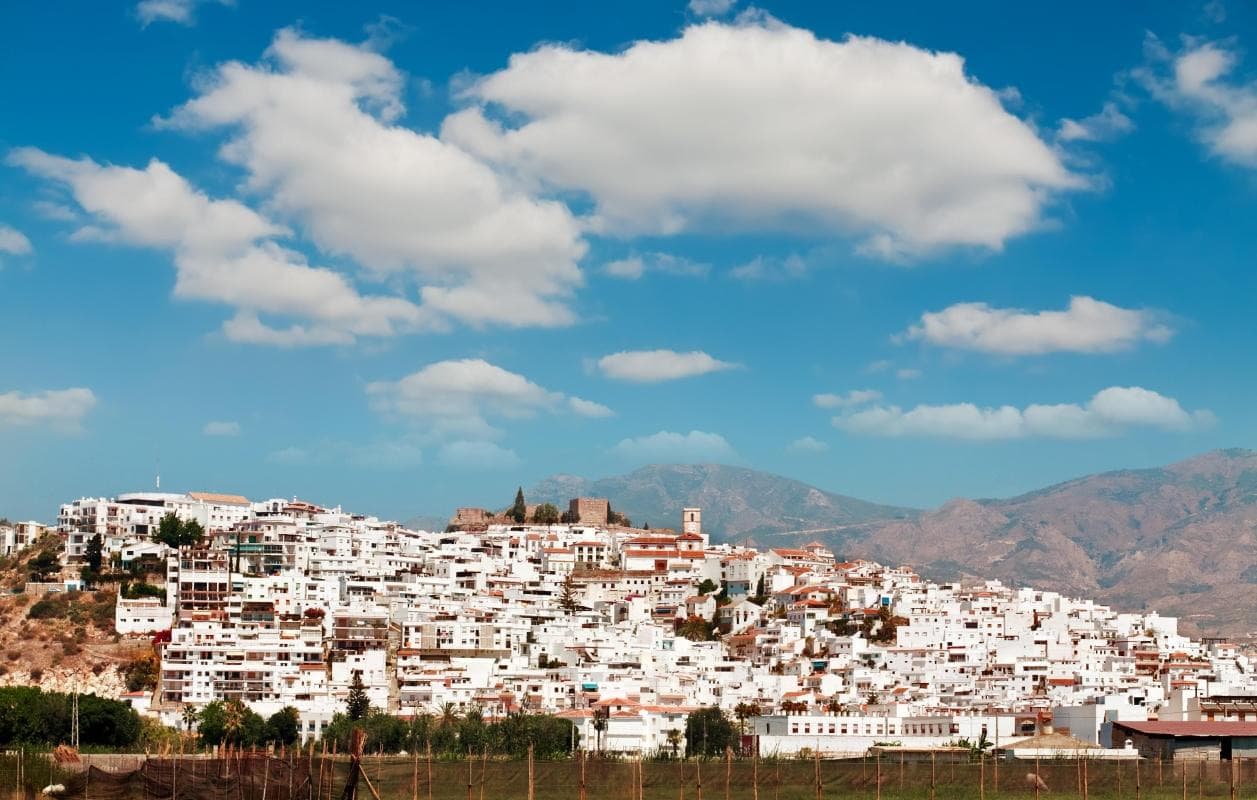
You reach Salobreña the way the town invites you to—slowly, by sea-level road that skirts banana plantations and mango groves, the Mediterranean glittering on your right. The town itself rises like a white thought on a dark headland: narrow honeycomb alleys, paper-lantern balconies, and above it all a ruinous castle keeping watch. On arrival the sea is the louder presence—blue, restless, daring you to come closer—yet the rock underfoot and the stepped town feel older, patient, a geography of memory.
Climbing from the beachfront to the Castle of Salobreña is a compact lesson in why this place endures as a destination. The walk from La Charca beach through the old quarter is a 10–20 minute steep ascent (roughly 0.6–1.0 km with about 120 m of gain if you follow the narrow alleyways to the top). It’s short enough to demand only sensible shoes and a bottle of water, but steep enough to feel like a proper transition: from sand and salt-spray to the cool shade of whitewashed walls and the eventual, cinematic reveal of the Sierra Nevada foothills inland.
The castle is Moorish in origin and was fortified further under the Nasrid Kingdom; its battered towers and crumbling curtain walls look down on a coastline that has been coaxing crops and fishermen for centuries. From the ramparts, the view is the kind of coastal line that travel writers reach for: a serrated horizon of beach and headland, fishing boats patrolling the nearshore, and, on clear days, a faint purple of the Sierra Nevada behind the inland plain.
Geologically, Salobreña occupies a promontory shaped by long coastal processes—sea, sediment, and the weathering that turns mountain into sand. Culturally, it sits at a crossroads: Andalusian with Moorish bones, Mediterranean in cuisine and pace, and gently tropical in its microclimate. The coastal strip around town is deceptively lush; glasshouse agriculture and subtropical orchards feed nearby towns and give the air a faint sweetness.
The appeal for active travelers is obvious. This is not a place for long alpine sloggers or those after remote wilderness; it’s perfect for short, satisfying land adventures balanced with saltwater time. Walk the castle route early to catch the light; spend midday on Playa La Guardia or La Charca, where shallow waters and rocky coves invite snorkeling. For a simple sea-based thrill, launch a kayak and skirt the shoreline—there are easily explored caves and little bays within a few kilometers of the harbor, and the water’s clarity is often excellent for seeing rocky reefs and the occasional octopus.
The town’s compactness is its advantage. Hike the headland in the morning, eat fresh espetos (sardines skewered and grilled over wood) for lunch by the beach, and then take a late-afternoon stroll along the Paseo Marítimo to spot fishermen mending nets. For photographers and sunset lovers, the castle produces a long, golden hour; the white houses catch the light and the sea seems to fold itself up into a pool of molten metal.
Practicalities are straightforward but worth noting. The castle approach is stony and steep in places; light hikers should allow 20–30 minutes for the climb and wear sturdy footwear. Bring cash—some of the small beach bars and fruit stalls prefer it—and sunscreen; the town’s microclimate can create bright, unrelenting sun in late spring through early fall. If you plan to kayak or snorkel, tide and swell matter: summers are usually calmer, while winter and autumn can bring more wind-driven chop.
For those who want to expand the day, Motril is a short drive west with train connections and services, and Granada—with the Alhambra and Sierra Nevada—is roughly an hour inland by car. Malaga’s airport is the busiest gateway for international travelers; from there the coastal drive is a comfortable introduction to the Axarquía and Costa Tropical.
Local food and culture deserve the same curiosity you bring to the trails: try pescado a la sal (salt-baked fish), enjoy a plate of small fried fish (pescaditos fritos), and seek out a chiringuito for a late afternoon beer and fresh sardines. The market stalls behind the promenade sell tropical fruits—mangoes and avocados grown nearby—and they reflect the agricultural niche that sets this stretch of Andalusia apart from the drier, olive-clad hinterland.
If you come prepared, Salobreña rewards with quiet adventure and clear logistics. Plan your hikes for morning or late afternoon to avoid the noon heat, check local tide and weather for any sea activity, support small local businesses along the way, and let the town’s measured tempo slow your travel cadence. The rock is old and wise; the sea is impatient and immediate. Between them, you’ll find a few days of one of Spain’s lesser-sung coastal pleasures—compact, scenic, and ready to be explored on foot and by sea.
Why go: Salobreña is an ideal short-break destination for travelers who want a mix of accessible coastal hiking, historic atmosphere, and shoreline activities without the crowds of larger Costa del Sol resorts. It’s a place where a climb to a ruined castle, a midday dip, and a seafood lunch fit neatly into an afternoon, and where the landscape’s contrasts—rock and water, Moorish walls and banana plantations—tell a simple, resonant story.
When you leave, take a final look back at the white town perched on its rock. The castle will sit like an old sentinel, unchanged in its vigilance; the sea will be doing what it has always done, calling and retreating. Both will have drawn you into a rhythm that’s at once immediate and historical, an easy kind of adventure you can carry home in a few good photographs and a clear sense of place.
Trail wisdom
Small choices, better day.
Climb the castle early
Start before 10 a.m. to avoid heat and catch the best light on the ramparts; the uphill walk is short but steep.
Footwear for slick streets
Wear grippy shoes—the cobbled alleys and stairways can be uneven and slippery after rain.
Check sea conditions
If kayaking or snorkeling, ask locally about wind and swell—summer is calmest, autumn can be choppier.
Pack small bills
Many beach chiringuitos and fruit stalls prefer cash—carry change for quick purchases.
Local knowledge
Read the place, not just the route.
Watch for native species including Audouin’s gulls and yellow-legged gulls along the coast, Octopus and small reef fish visible when snorkeling rocky coves.
Keep an eye out for wildlife during the transition between areas and habitats. Respect distance guidelines.
The Costa Tropical’s fragile coastal habitats are affected by development and agriculture; local businesses increasingly promote low-impact tourism and responsible beach use.
Follow the guide's instructions on size limits, ethical handling, and leave-no-trace practices.
Mirador de la Ermita—small viewpoint with an unobstructed view of the whole bay. The narrow alleys behind the castle—quiet terraces and artisan shops away from the main tourist lanes
Locally recommended viewpoints and quiet spots known best to local operators.
Salobreña’s white-washed old town is dominated by a Moorish castle with Nasrid-period significance; the town’s strategic coastal position shaped its medieval history.
Maritime roots and regional tradition shape the waterways and working coasts.
Seasonal guide
Four versions of the same landscape.
Spring
Best forHiking the castle · Floral scenery & mild weather · Kayaking with calmer seas
ChallengesOccasional spring showers · Unpredictable early-season sea conditions
Spring brings pleasant temperatures and blooming terraces—great for exploring on foot and for early-season sea activities.
Summer
Best forBeach time · Snorkeling and swimming · Evening seaside dining
ChallengesStrong sun and heat at midday · Busy beaches in peak months
Summer is beach season: warm water, long days, and active shoreline life; plan hikes for morning or evening to avoid the hottest hours.
Fall
Best forMilder weather for hikes · Sea still warm for swimming · Quieter shoulder-season visits
ChallengesIncreased chance of storms in late autumn · Shorter daylight hours
Fall offers a balance of warm sea temperatures and cooler land air—ideal for combining hiking with late-season swimming.
Winter
Best forQuiet town walks · Birdwatching along the shore · Short coastal hikes
ChallengesCooler water temperatures · Occasional windy storms
Winters are mild compared to inland Spain, making for off-season strolling and birdwatching, though sea activities are less reliable.
Pack with intention
What to bring.
Good to know
Common questions.
The walk from the beachfront through the old town to the castle takes about 10–20 minutes, depending on pace; expect steep sections and uneven steps.
Plan the edges
The details that make the day easier.
The Castle of Salobreña crowns a rocky promontory and reflects the town’s long Moorish and Nasrid heritage, which shaped its layout and defensive importance along the Mediterranean coast.
Coastal Andalusian life meets subtropical agriculture here: expect grilled sardines at chiringuitos, fresh tropical fruits from nearby orchards, and a relaxed promenade culture centered on evening paseos.
- Nearest airport
- Malaga (1–1.5 hr drive). Nearest train hub: Motril. Currency: Euro. Language: Spanish; English common in tourist spots. Parking available at lower town; the old quarter is pedestrian.
Support local businesses, avoid single-use plastics on the beach, and follow designated paths—coastal ecosystems and small fishing communities benefit from low-impact tourism.
Explore by topic
Follow the threads.
Keep exploring
Make the story part of the trip.
Set out from Bass Harbor for a private, customizable day on Blue Hill Bay — lighthouses, puffins, seals, and the chance to feel Acadia from the water. Small groups, local captains, unforgettable views.
In four hours you can move from shaded canyon ferns to wind-scoured coastal ridgelines, guided by someone who knows where the light—and the hidden views—live. This private half-day hike on the Monterey Peninsula or Big Sur is compact, curated, and perfect for travelers who want depth without a multiday commitment.
 Related story
Beneath a sky of shifting light, Skaftafell’s ice reads like a map of time. This three-hour guided glacier hike mixes technical instruction with geology and culture: compact, safe, and unforgettable.