
What the day feels like
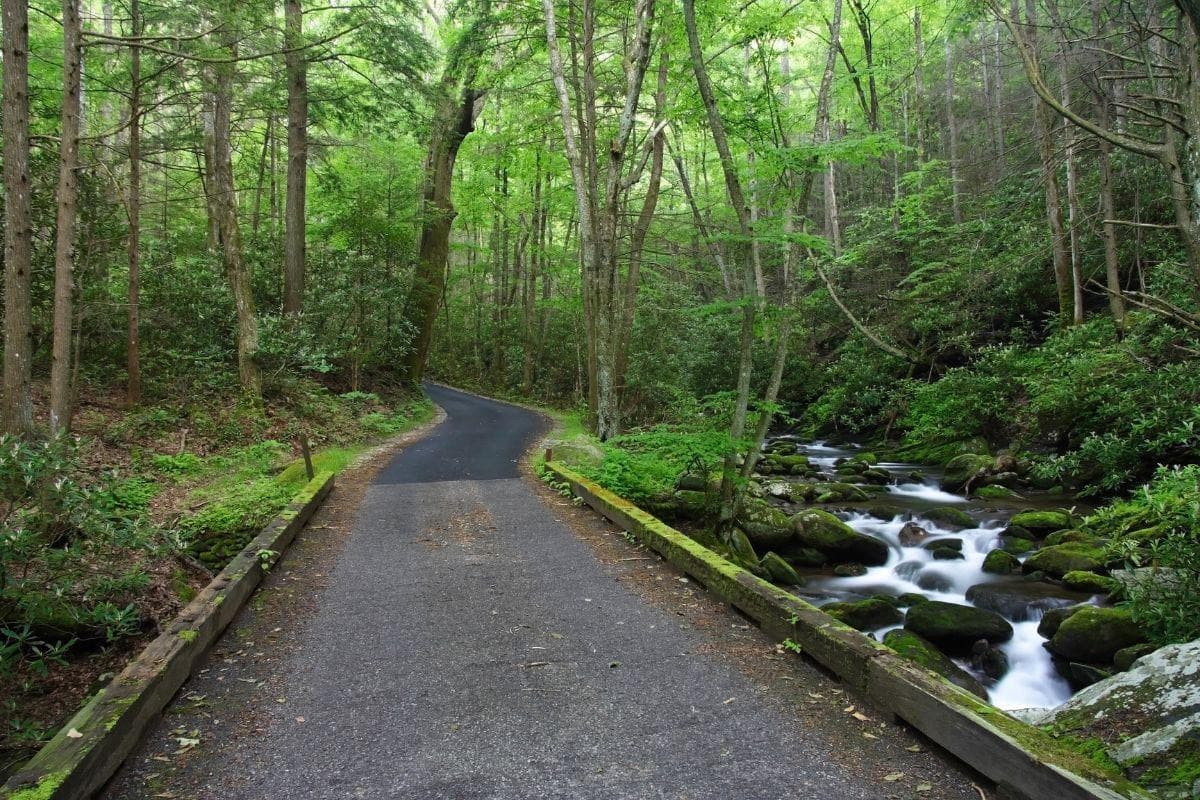
The first bend of the Roaring Fork Motor Nature Trail tightens like a held breath. The one-way road—barely wide enough in spots for two mirrors—leans into the slope and drops you into a green world where the mountain forgets to rush. A ribbon of water, Roaring Fork Creek, runs like a nervous neighbor, daring you to listen. From a custom jeep on a guided tour, the engine’s low growl becomes respectful background noise as the guide points out an old log homestead half-hidden in laurel and hemlock.
This 5½-mile, one-way loop—snaking out of Gatlinburg and back—feels like a small, concentrated lesson in what makes the Great Smoky Mountains National Park endure: layered geology folded by time, a history written in log cabins and moonshine lore, and an ecology so dense it seems to hush you into noticing details. The product that brings most travelers here is a guided jeep sightseeing tour: a tight, knowledgeable crew driving narrow switchbacks while dropping passengers at short nature paths and a waterfall. That isn’t tourist theater; it’s a practical way to see places that are easy to miss from the highway yet impossibly rich once you step out.
Geology here is patient. The Smokies are ancient—older than the Appalachians that made them—dragged up hundreds of millions of years ago and worn into broad, rounded peaks. The rocks under Roaring Fork are mostly Precambrian sandstone and shale, folded and weathered into the ridges and hollows that channel every stream. Those hollows cradle human stories: the Walker Sisters’ cabin, farm clearings, and old stone fences where settlers eked out lives until the park’s creation in the 1930s.
Culturally, the loop is a pocket of Appalachian memory. The Walker Sisters—sisters who lived off the land on a mountainside parcel and resisted resettlement—left behind a place that now tells the tale of subsistence farming, woodcraft, and the particular stoicism of the mountain people. Guides on jeep tours are often local storytellers; they stitch geology, botany, and folklore into the drive, explaining how chestnut blight reshaped the forest or how the Civilian Conservation Corps helped build the park’s early infrastructure.
Practically: the Roaring Fork Motor Nature Trail is small but deceptively full of options. The jeep tour typically lasts 1½–2 hours including short stops, and that’s enough time to hop out on a short nature path to view a waterfall and examine historic structures up close. The trail network around the loop offers quick walks for people who want to stretch their legs—rocky footpaths, boardwalks through wet areas, and a few steep sets of steps where the forest presses close.
Why go on a guided jeep tour rather than drive yourself? The narrow, winding one-way loop is navigable in a standard vehicle, but the guided jeep brings context and access. Guides know which pulls are worth stopping at for photo light or wildlife sightings, they read the forest for bird and mammal movement, and they handle parking and timing during the brief windows of congestion that Gatlinburg sends this way. For travelers with limited time or those who want the history with the scenery, the jeep offers a compact, efficient experience.
What to expect on the road: spring brings a fresher, loud-water feel—streams swollen and the forest in neon—while fall converts the whole loop into a tapestry of russet and gold. Summer is humid, alive with bird song and blackberries, and winter can hush the road beneath a glaze of ice; the park posts seasonal closures and conditions, so plan accordingly.
Preparation matters more than spectacle. Wear supportive shoes—short nature paths can be slick and rocky. Bring water, bug protection, and a lightweight rain shell; weather in the Smokies moves like a story with quick chapters. If you’re driving yourself, opt for a smaller car and give way to the larger vehicles; if you’re on a jeep tour, listen to your guide about where to stand, how to approach old structures, and how to keep wildlife wild.
On the human side, remember that the Loop is a living classroom. Walk the short paths with respect: don’t climb on the log cabins, don’t take artifacts, and keep voices low where birds and small mammals might be foraging nearby. These are protected structures and fragile ecosystems, and your small choices—carry-in, carry-out, keep dogs leashed—make a tangible difference.
For photographers and quiet hikers, the motor nature trail is a gift. Water features are small but dramatic: opportunities for long-exposure creek shots and close-up moss textures. The forest light tends to be diffused; late afternoon low sun through smoke and leaves is when the mountains feel most cinematic.
The Roaring Fork loop is not alpine conquest; it’s a measured encounter with a place that keeps its history visible. Whether you arrive in your own car or ride in a Jeep with a guide, you leave having seen where the mountain’s human and geological stories cross, smelling the creek and knowing the names—at least for the moment—of a few trees, a waterfall, and a porch that once sheltered a life all its own.
Practical snapshot: the loop fits into a half-day trip from Gatlinburg, combines easy walking with short periods of driving, and works well for families as well as solo travelers who want an accessible slice of the park. If you want to add a longer hike, plan for the rest of your day—there are trailheads nearby, but they require more time and planning. Above all, go early to avoid traffic and to find the quiet places between the bends.
A visit to Roaring Fork is simple in logistics and rich in return: a route where the creek speaks, the trees hold history like a secret, and a guided jeep tour turns the small details into a story you can follow down a mountain road.
Trail wisdom
Small choices, better day.
Start early to beat traffic
The one-way loop fills by late morning; an early start gives you quiet parking and better photo light.
Wear grippy footwear
Short nature paths to waterfalls are rocky and wet—supportive shoes reduce slips on roots and stone.
Bring water and insect repellent
Humidity and biting insects are common in summer; carry at least 1L of water per person and DEET or picaridin repellent.
Let the guide handle logistics
On a jeep tour, follow the guide’s directions for stopping points and wildlife etiquette—they know where to pull over safely.
Local knowledge
Read the place, not just the route.
Watch for native species including Black bear, White-tailed deer.
Keep an eye out for wildlife during the transition between areas and habitats. Respect distance guidelines.
Stay on designated paths, pack out trash, and follow park rules; the park manages fragile historic structures and ecosystems that are easily impacted by foot traffic.
Follow the guide's instructions on size limits, ethical handling, and leave-no-trace practices.
Walker Sisters Place (historic cabin cluster) tucked off the road. Short, lesser-known creekside trails for quiet birdwatching
Locally recommended viewpoints and quiet spots known best to local operators.
The area preserves Appalachian homesteads and stories of early settlers; many structures date to the late 19th and early 20th centuries and were saved when the park was established in the 1930s.
Maritime roots and regional tradition shape the waterways and working coasts.
Seasonal guide
Four versions of the same landscape.
Spring
Best forwaterfalls at peak flow · wildflower displays · moderate temperatures
Challengesmuddy trails · late-season cold snaps
Spring brings swollen creeks and riotous understory blooms; expect muddy, lively trails and cool mornings.
Summer
Best forlush forest photography · birding · guided interpretive tours
Challengesheat and humidity · mosquitoes · afternoon storms
Summer’s green canopy is thick and alive—good for wildlife but bring hydration and bug protection.
Fall
Best forleaf-peeping · crisp hiking days · golden-hour photography
Challengeshigher visitor numbers · cool nights
Autumn is peak color—visit on weekdays or early mornings to avoid crowds and to catch prime light.
Winter
Best forquiet roads · fog-swept landscapes · snow photography
Challengesicy conditions · limited services · possible closures
Winter makes the forest spare and quiet; check road conditions and park alerts before heading out.
Pack with intention
What to bring.
Good to know
Common questions.
The motor nature trail is approximately 5.5 miles of one-way road; allow 1–2 hours for a guided jeep tour with short stops.
Plan the edges
The details that make the day easier.
Great Smoky Mountains National Park was established in 1934 and is the most visited national park in the United States; Roaring Fork preserves several historic Appalachian structures, including the Walker Sisters’ homestead.
Gatlinburg and nearby Pigeon Forge serve up Appalachian staples—pan-fried trout, biscuits and gravy, and local moonshine tastings. Tell stories with locals at a cabin-style restaurant and seek out handmade crafts at the downtown art shops for authentic mountain mementos.
- Distance from Gatlinburg center
- ~2–4 miles; loop length: ~5.5 miles one-way; time needed: 1–3 hours depending on stops; entrance fee: none; cell service: spotty in places; parking: limited at pullouts.
Stick to established parking and trails, avoid collecting historic objects or plants, and consider taking a guided tour to reduce congestion and learn low-impact practices.
Explore by topic
Follow the threads.
Keep exploring
Make the story part of the trip.
Set out from Bass Harbor for a private, customizable day on Blue Hill Bay — lighthouses, puffins, seals, and the chance to feel Acadia from the water. Small groups, local captains, unforgettable views.
In four hours you can move from shaded canyon ferns to wind-scoured coastal ridgelines, guided by someone who knows where the light—and the hidden views—live. This private half-day hike on the Monterey Peninsula or Big Sur is compact, curated, and perfect for travelers who want depth without a multiday commitment.
 Related story
Beneath a sky of shifting light, Skaftafell’s ice reads like a map of time. This three-hour guided glacier hike mixes technical instruction with geology and culture: compact, safe, and unforgettable.