
What the day feels like
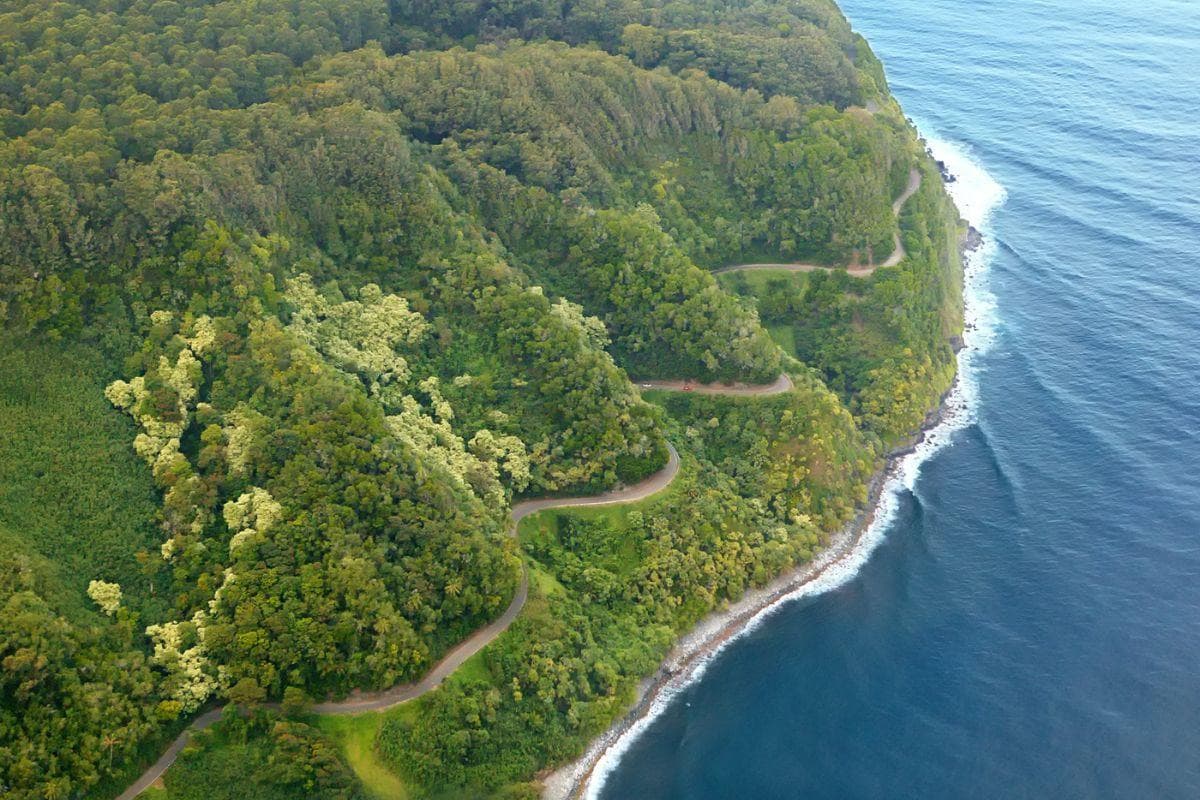
The first light of day pries open the Hana Highway like an old map unfolding—tight hairpins carved into basalt, a ribbon of asphalt threaded along sea cliffs, then swallowed by a tunnel of guava and fern. You move slowly here, deliberately: the road insists it. Waterfall curtains curtain the cliffs, banana bread stalls populate narrow pullouts, and the ocean keeps pace, glittering blue and then vanishing beneath the canopy. By midmorning the clouds lift enough to reveal a coastline that looks hand-stitched, a patchwork of black sand coves and sharp lava points. This is Maui’s Road to Hana, a drive that’s more pilgrimage than commute.
Distance and pace matter. The stretch from Kahului to the town of Hāna covers roughly 52 miles, but don’t treat miles like minutes; the route has over 600 curves and 59 bridges. Without stops it’s about a 2.5–3 hour drive, but the real trip is a day—or more—of stopping to hike, swim, and watch the island change pace. For outdoor travelers the Road to Hana is an invitation to move between ecosystems in a matter of hours: roadside waterfalls that dare you to climb closer, bamboo forests that whisper with every footfall, and coastal overlooks where trade winds push the surf into theatrical surf lines.
Geology and ecology stitch the route together. The Hana Highway skirts the rugged eastern flank of Haleakalā, where ancient lava flows and marine erosion have created narrow valleys and sea cliffs. Tropical rainfall funnels down steep gulches producing an astonishing density of waterfalls and freshwater pools. Vegetation shifts swiftly too—monocultures give way to taro lo‘i and native ʻōhiʻa trees, while invasive species like strawberry guava remind you the landscape is a constantly negotiated terrain between native and introduced flora.
Culture sits quietly along the way. Hāna is not a theme-park waypoint; it’s a small, living community with taro farms, family-run cafes, and cultural sites that honor Hawaiian history. Roadside stands sell banana bread, fresh coconut, and hand-carved crafts—each a direct line to the island’s contemporary rhythms. Remember that many of the most photogenic waterfalls and pools are on private land or have cultural significance, so approach with respect: ask before wandering into obscure gulches and support local vendors when you can.
There are classic excursions that justify pulling over. The Pipiwai Trail near Kipahulu is a 4-mile round-trip loop through a towering bamboo forest that culminates at Waimoku Falls, a 400-foot veil of water. Waianapanapa State Park, with its black sand beach and basalt sea arches, is a 0.5-mile loop but feels cinematic at every turn; arrive early to avoid crowds. Scattered pullouts like Twin Falls and Ke‘anae Peninsula reward short walks and photo stops—perfect for travelers who want to mix easy hikes with cinematic viewpoints.
Practical planning keeps the magic intact. Start early—before sunrise if possible—to beat tour buses and secure parking at the popular stops. Fill your tank in Kahului; there’s limited fuel availability near Hāna. Cell coverage is patchy; download maps offline and carry a physical map if you prefer. Shoes matter: the most memorable moments happen off the pavement on uneven, often slippery terrain. Bring a rain shell year-round—showers sweep the windward side of the island without notice.
Safety and etiquette are simple but essential. One-lane bridges are common and require courteous yielding; follow local signs and be patient. Never turn around on narrow shoulders; pull completely into designated turnouts. If you plan to swim under waterfalls, assess the pool for currents and hidden rocks—many falls have deceptively strong return currents after heavy rain. Most importantly, respect private property and cultural sites. When in doubt, ask.
For travelers who want more than a drive: plan a multi-day stay in Hāna to explore less-visited trails, take guided hikes that connect to Hawaiian cultural stories, or book a kayak or snorkeling trip from nearby coves. Accommodation in Hāna is limited and often small-scale—book ahead. The reward of slowing down here isn’t just scenery; it’s the feeling that the island’s pace has momentarily aligned with your own.
The Road to Hana doesn’t promise straightforward logistics or predictable weather, and that’s precisely why it endures. It offers a kind of travel alchemy: raw geology, living culture, and the small human gestures of roadside trade. If you go with a spirit of curiosity and a practical kit—good shoes, water, patience—you’ll leave with stories: a waterfall that seemed to appear out of mist, the smell of fresh banana bread in your hands, and the soft, persistent sound of bamboo waving like an audience that applauds your arrival.
Trail wisdom
Small choices, better day.
Start before sunrise
Leave Kahului early to secure parking at Waianapanapa and Pipiwai Trail and to enjoy quieter pullouts.
Respect one-lane bridges
Yield to oncoming traffic where signed; patience keeps traffic moving and locals safe.
Pack water and snacks
Shops are sparse east of Paia—carry at least 2 liters per person and energy food for hikes.
Wear grippy shoes and a rain shell
Trails are often wet and muddy even if the sun is out—good traction and a shell make the difference.
Local knowledge
Read the place, not just the route.
Watch for native species including Green sea turtles (honu) along coastal coves, Native Hawaiian honeyeaters and `i`iwi in rainforests.
Keep an eye out for wildlife during the transition between areas and habitats. Respect distance guidelines.
Many sites are ecologically fragile—stick to trails, pack out trash, and choose certified local guides to support sustainable access and cultural respect.
Follow the guide's instructions on size limits, ethical handling, and leave-no-trace practices.
Ke‘anae Peninsula taro fields and stop-over viewpoint. Small roadside stands selling fresh banana bread near mile markers 18–20
Locally recommended viewpoints and quiet spots known best to local operators.
The route follows ancient Hawaiian paths that connected coastal settlements and taro farming communities; modern road-building in the early 20th century opened these places to wider travel.
Maritime roots and regional tradition shape the waterways and working coasts.
Seasonal guide
Four versions of the same landscape.
Spring
Best forWildflower blooms · Moderate rainfall · Accessible hikes
ChallengesIntermittent showers · Slippery trails after rain
Spring brings lush green valleys and manageable weather; expect quick showers and muddy patches on trails.
Summer
Best forClearer coastal views · Warmer water for swimming · Longer daylight
ChallengesHigher visitor numbers · Hotter inland conditions
Summer offers more reliable coastal visibility and warmer pools, but crowds increase at popular stops.
Fall
Best forLower crowds · Stable weather windows · Good photography light
ChallengesOccasional storms during hurricane season months
Fall can be an ideal balance of quieter roads and favorable light; keep an eye on tropical storm forecasts.
Winter
Best forDramatic waterfalls · Lush rainforest colors
ChallengesHeavier rains, stronger currents · Potential road closures
Winter rains bulk up waterfalls and swell streams—spectacular but risky for swimming and some hikes.
Pack with intention
What to bring.
Good to know
Common questions.
The route from Kahului to Hāna is about 52 miles; direct driving takes roughly 2.5–3 hours, but plan a full-day or more to stop and hike.
Plan the edges
The details that make the day easier.
The Road to Hana is famous for its roughly 600 curves and 59 bridges along the route between Kahului and Hāna.
Stop for banana bread and poke at family-run stands, chat with local artisans in Hāna, and taste taro-based dishes to connect with island agriculture and hospitality.
- Distance
- ~52 miles one-way. Time: 2.5–3 hours driving direct; full day with stops. Fuel: fill in Kahului. Parking: limited at popular attractions—arrive early. Cell: spotty. Fees: some state parks charge entry
Support local vendors, avoid trampling native vegetation, carry out all waste, and choose certified local guides to ensure economic benefits stay in Hāna.
Explore by topic
Follow the threads.
Keep exploring
Make the story part of the trip.
Set out from Bass Harbor for a private, customizable day on Blue Hill Bay — lighthouses, puffins, seals, and the chance to feel Acadia from the water. Small groups, local captains, unforgettable views.
In four hours you can move from shaded canyon ferns to wind-scoured coastal ridgelines, guided by someone who knows where the light—and the hidden views—live. This private half-day hike on the Monterey Peninsula or Big Sur is compact, curated, and perfect for travelers who want depth without a multiday commitment.
 Related story
Beneath a sky of shifting light, Skaftafell’s ice reads like a map of time. This three-hour guided glacier hike mixes technical instruction with geology and culture: compact, safe, and unforgettable.