
What the day feels like
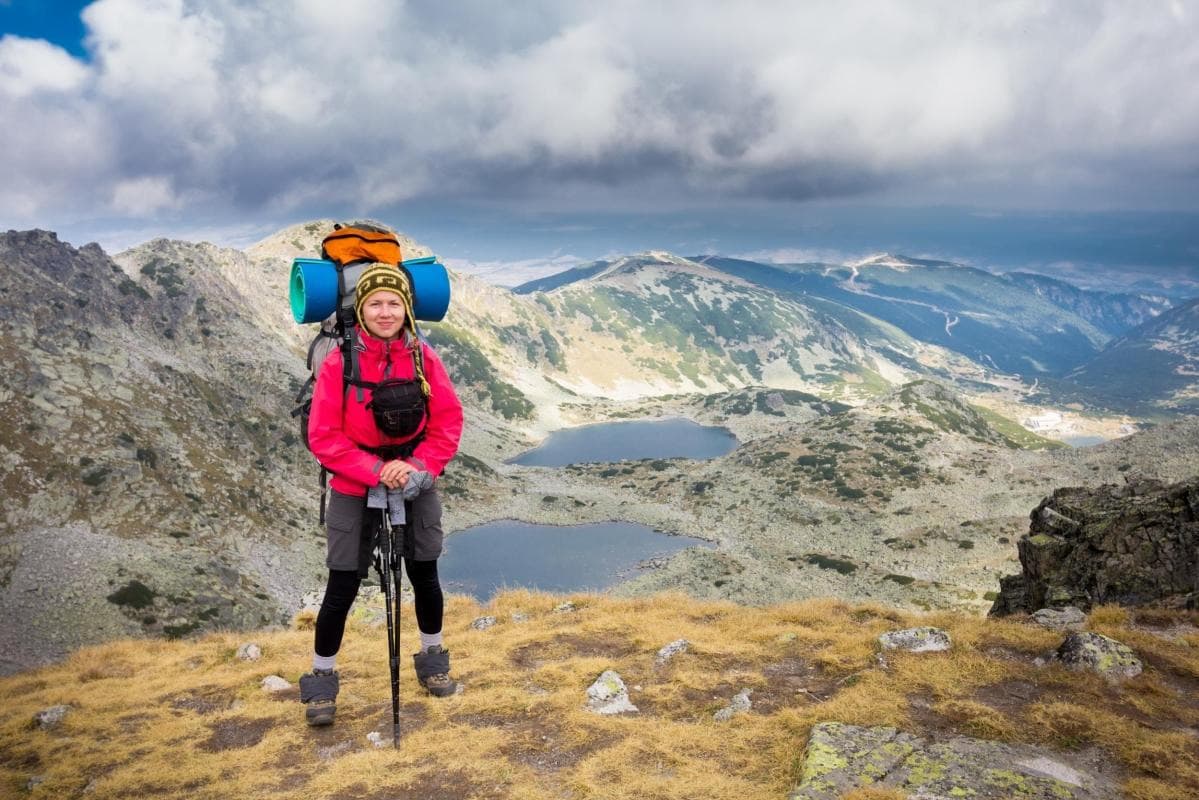
You climb out of the van at Panichishte with the scent of spruce and damp earth crowding around you, and the air already tastes like altitude. A cable car murmurs nearby, ferrying day-trippers and guides to higher trails, but you choose to walk. The first switchback peels you away from the soft green of the lower forest into a sculpted world of granite cirques and turquoise hollows — the Seven Rila Lakes, each a mirror that seems to hold its own sky. The wind shapes the clouds here; the clouds shape the light. Below, the forests of Rila spread like a dark sea; above, Moussala, the Balkans’ highest peak, pins the horizon.
This is Rila: Bulgaria’s water mountain. Centuries of glaciers and torrents have carved alpine bowls that collect rain and snow and hold it like a treasury. The range’s faulted bedrock and ancient glaciers make for sharp ridgelines and a network of over 120 high-altitude lakes. The Seven Rila Lakes are the most photographed — from the glassy Surinoto to the highest, Okoto (The Eye) — but the mountains extend in all directions: hidden waterfalls, secret bowls like the Urdini Lakes, and the long approach to Moussala’s summit at 2,925 meters.
Rila’s story is woven with faith and solitude. The Rila Monastery, a UNESCO jewel nested at the range’s eastern foothills since the 10th century, has sheltered pilgrims, monks and rebels. St. Ivan of Rila, the hermit who founded the monastery, lived as a wanderer in these peaks; his cave and the monastery’s frescoed walls provide a human-scale counterpoint to the vast, indifferent geology outside. Local villages still hold fast to shepherding traditions — sheep bells punctuate evenings — and you’ll find rustic foods like banitsa and kapama after a long day on the trail.
Why go now? Because Rila is a rare mountain that suits a wide range of travelers. Day-hikers can ride the lift from Panichishte to shorten the approach and still feel they’ve earned the views. Peak-baggers tackle Moussala for the foothold of standing on the Balkans’ rooftop. For winter adrenaline, there are snowmobile safaris and groomed routes for fat bikes and snowshoers. Or you can hike a deliberate multi-day circuit and sleep under the stars or in a mountain hut, trading glacier-polished views for the slow reward of early mornings and empty ridgelines.
Practical reality: the popular Seven Rila Lakes hike is typically 8–12 kilometers round-trip with roughly 600–800 meters of elevation gain depending on your start point; plan 4–6 hours. The Moussala ascent from the base of the Musala hut is a steeper push of 3–4 kilometers with about 300–400 meters of ascent from the hut and closer to 1,000 meters from valley trailheads — allow 3–5 hours round-trip depending on fitness. Trails are a mix of rocky alpine paths, scree fields and well-trodden forest sections. A chairlift from Panichishte reduces both distance and ascent, but the highest sections remain exposed to wind and sudden weather changes.
Timing matters. Start early to avoid afternoon thunderstorms in summer. In mid-summer the lakes glow emerald and alpine meadows are in bloom, but late snow patches linger above 2,000 meters into July. Fall is striking for clear air and copper slopes; winter transforms the range into a deep-snow playground where snowmobile tours and backcountry skiers rule the ridges.
Local guides and small-group options make the range approachable. There are private trekking days to Moussala and organized day trips from Sofia that combine the Seven Rila Lakes with cultural stops at the Rila Monastery and Boyana Church. If you prefer mechanized fun, ATV safaris around Borovets give you a fast, motorized way to see middle-elevation forests, and three-day snowmobile packages in winter will put you across frozen lakes and glacial basins with an instructor and proper gear.
Respect the place. Rila is a national park with fragile alpine ecosystems; stick to trails, pack out waste and avoid off-trail driving in protected zones. Local huts and guesthouses are integral to mountain communities — book ahead during high season, and consider eating at a mountain hut to support local economies. Conservation efforts are visible in trail maintenance and interpretive signage; your guide will often point out endemic plants and the old stone walls left by shepherds.
For planning: travel from Sofia is straightforward — most day trips leave early and return the same night, but if you want to sleep inside the Rila Monastery or in a mountain villa near Panichishte (many two-day tours include overnight stays and even mineral baths at Sapareva Banya), build those nights into your itinerary to extend your window on the mountains. Map apps work well here, but download offline sections; cell coverage is spotty above tree line. Finally, accept that weather will be a variable — a summer day can turn crisp and windy in an hour — and plan layers accordingly.
At the end of your hike, whether you’ve stood on Moussala or lingered at a lakeside hut over a bowl of kapama and a glass of local wine, you’ll leave with more than postcards: a sense of scale, of how water and time carve a landscape, and how compact human history — a cave, a chapel, a mountain monastery — can sit quietly in the shadow of ancient rock. Rila invites you to measure yourself against that scale and to return, perhaps, for a different season and another face of this water mountain.
Trail wisdom
Small choices, better day.
Start before dawn
Begin hikes early to avoid afternoon storms and get solitude at the most photographed viewpoints.
Use the Panichishte lift wisely
Take the gondola to shave steep ascent off the Seven Rila Lakes route if you want a shorter, less technical day.
Bring a windproof layer
Summit ridgelines are exposed; a lightweight, windproof shell makes sudden weather manageable.
Respect fragile alpine flora
Stay on marked trails and avoid trampling high-mountain meadows to protect regenerating plant communities.
Local knowledge
Read the place, not just the route.
Watch for native species including chamois, marmot.
Keep an eye out for wildlife during the transition between areas and habitats. Respect distance guidelines.
Rila is a national park with active trail maintenance and protected zones; visitors are encouraged to stay on trails and support local huts and guides.
Follow the guide's instructions on size limits, ethical handling, and leave-no-trace practices.
Urdini Lakes — quieter glacial basins east of the Seven Rila Lakes. Devil’s Waters waterfall and the Kirilova Polyana meadow near Rila Monastery
Locally recommended viewpoints and quiet spots known best to local operators.
Rila Monastery was founded in the 10th century by St. Ivan of Rila and became a cultural and spiritual center that preserved Bulgarian identity through Ottoman rule.
Maritime roots and regional tradition shape the waterways and working coasts.
Seasonal guide
Four versions of the same landscape.
Spring
Best forearly wildflowers · fewer crowds · melting waterfalls
Challengesmuddy trails · snow patches at higher elevations
Late spring brings flowing waterfalls and blooming meadows but expect intermittent snow above 1,800–2,000 m and muddy approaches.
Summer
Best forfull alpine blooms · lake reflections · long daylight hours
Challengesafternoon thunderstorms · crowds at popular sites
Summer is prime hiking season — warm days and clear views are common, though storms build quickly and popular trails can get busy.
Fall
Best forclear air and visibility · fall color · quiet trails
Challengescolder temperatures · shorter days
Autumn offers crisp, clear vistas and fewer people; bring warm layers as temperatures fall rapidly after sunset.
Winter
Best forsnowmobiling · backcountry skiing · winter photography
Challengesdeep snow · route-finding hazards · limited hut access
Winter turns Rila into a deep-snow landscape best explored with guides, proper equipment and avalanche awareness.
Pack with intention
What to bring.
Good to know
Common questions.
Day routes vary by start point, but expect 4–6 hours and roughly 8–12 km round-trip with 600–800 m of elevation gain from common trailheads.
Plan the edges
The details that make the day easier.
Mount Moussala at 2,925 m is the highest peak in the Balkan Peninsula and gives Rila its reputation as the region’s tallest range.
Try a mountain hut meal of kapama or banitsa and a glass of local red; visit Rila Monastery’s frescoes and souvenir woodcarving shops for traditional crafts.
- From Sofia
- 1.5–2 hour drive. Trails: rocky alpine paths, variable exposure. Permits: none for day hiking, but respect national park rules. Services: lifts, huts and guided tours available seasonally.
Stick to established trails, avoid driving in protected zones, support local guides and huts to funnel tourism revenue back into the community and conservation.
Explore by topic
Follow the threads.
Keep exploring
Make the story part of the trip.
Set out from Bass Harbor for a private, customizable day on Blue Hill Bay — lighthouses, puffins, seals, and the chance to feel Acadia from the water. Small groups, local captains, unforgettable views.
In four hours you can move from shaded canyon ferns to wind-scoured coastal ridgelines, guided by someone who knows where the light—and the hidden views—live. This private half-day hike on the Monterey Peninsula or Big Sur is compact, curated, and perfect for travelers who want depth without a multiday commitment.
 Related story
Beneath a sky of shifting light, Skaftafell’s ice reads like a map of time. This three-hour guided glacier hike mixes technical instruction with geology and culture: compact, safe, and unforgettable.