
What the day feels like
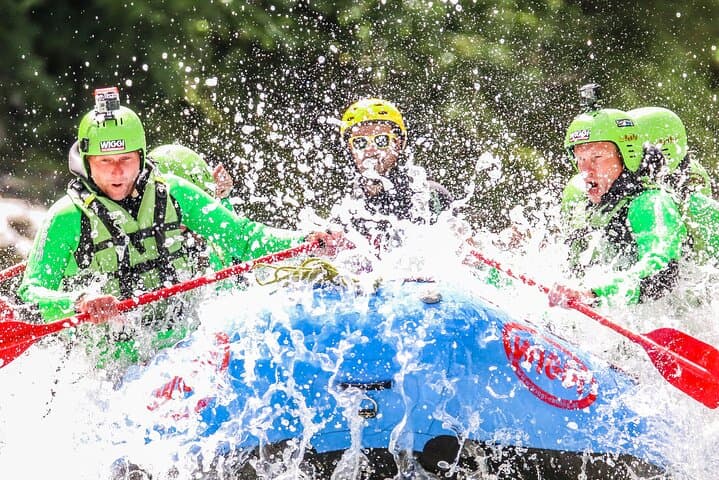
We hit the river at 9 a.m., when the light slides into the teeth of the gorge and the Inn gleams like a loose strip of silver. The first paddle strokes sound small and polite against the walls, but the current is already testing the edges of composure. In front of us a line of froth rises—Memmingerwalze, the wave that made this stretch famous—and for a suspended moment the river seems to be measuring anyone who would call it a classic. Then the boat catches the lip, the guide yells, and a perfect, sculpted sheet of water rolls beneath the raft, pushing and then releasing us into a calmer bowl. It’s exactly as advertised: here are high-energy drops and, a few strokes later, pockets that allow you to lean back and look up at the Tyrolean limestone like an audience at the opera.
The Imster Gorge has been an anchor for Tyrol’s outdoor scene for decades. The Inn River, carved by alpine melt and glacial history, runs through a 14-kilometer whitewater corridor that alternates between technical rapids—famous names like the Rohrbrückenschwall—and roomy stretches where teams play water games and swimmers drift while guides talk geology. The channel is a living textbook: exposed strata of Triassic limestone, talus slopes patched in mountain shrub, and pockets of forest that look like they'd been burning incense of pine for centuries. It’s not just adrenaline; it’s a landscape shaped by time and seasonal thaw.
Culturally, rafting here threads two Austrian rhythms together: the local tradition of alpine river use and Innsbruck’s long history as a crossroads between Central Europe and the Alps. Imst itself is a small, working town—timber facades, municipal pride, and cafés that serve up hearty fare to refuel a cold, wet crew. The river has drawn engineers and entrepreneurs as much as thrill-seekers: decades of river management and guide training mean operators here are lean, safe, and intimately familiar with the gorge’s moods. Booking a run is as much a social ritual as an outdoor activity; expect quick pre-run briefings, German-flavored efficiency, and guides who tell stories about the river in between safety checks.
This particular trip covers about 14 kilometers over roughly three hours. It’s pitched for people who want real whitewater without committing to an expert-level expedition: the big waves come, but the Inn’s volume and width also create long, restorative pools. For those who are new to rafting, that balance is a relief—the river dares you, then provides space to breathe. For experienced paddlers, the technical sections around the Memmingerwalze and Rohrbrückenschwall provide satisfying lines and the kind of unavoidable, contact-high laughter only a successful drop can produce.
Practicalities matter here. The operator offers instant confirmation and free cancellation options; trips typically start near Imst and finish with a short transfer back to base. Prices start from about $82 per person, which, given the length of the run and the quality of guides, feels reasonable. Guides supply dry bags, wetsuits when needed, and helmets; bring durable footwear, a base layer, and a willingness to get soaked. Because weather in the Alps can flip quickly, operators monitor flow and safety continuously; trips are scheduled to match water levels that are both exciting and safe.
If you go, time your visit for late spring through early autumn when the Inn is running high enough to show off the Memmingerwalze but not so swollen as to be dangerous. Summer's long days are ideal for multi-activity stays (hike in the morning, raft in the afternoon), while shoulder seasons offer clearer air and fewer crowds if you don’t mind cooler swims. Photography-wise, the gorge is dramatic but challenging: fast shutter speeds for splashes, a polarizer for reducing glare on the river, and protect your kit—spray is relentless on exposed lenses.
Beyond the raft, tie the day to local culture. Have lunch in Imst or push the drive back to Innsbruck for schnitzel and a beer with alpine views. The trip pairs well with hiking in the Ötztal or a visit to the Bergisel for panoramic perspectives. Environmentally, the river corridor is sensitive: stick to established put-ins and exits, use licensed guides who follow leave-no-trace practices, and respect private land adjacent to the river.
This is a trip that gives both a clean shot of adrenaline and a clear sense of place. The Inn doesn’t just carry you downstream; it offers a conversation—sometimes playful, sometimes blunt—between water and traveler. When the day ends and you wash the grit from your hair, that conversation tends to linger like the echo off a gorge wall: sharp, memorable, and coaxing you to come back and listen again.
For booking and operator details, local guides and experiential information can be found through the regional expert page for <a href="https://app.advcollective.com/local-experts/imster-gorge-rafting-whitewater-inn-river-near-innsbruck">Imster Gorge rafting on the Inn River</a>. That page consolidates guide options, safety information, and local contacts so you can plan to match water levels and your appetite for whitewater. Whether you’re after a first wet-run or a repeat descent to chase a perfect line, the Imster Gorge delivers a compact, confident whitewater experience that sits comfortably in the middle ground between classic alpine aesthetics and high-quality river running.
Trail wisdom
Small choices, better day.
Listen to the guide
Briefings are short but critical—follow commands and practice the safety position before you drop in.
Footwear matters
Secure water shoes or sandals with straps prevent lost toes and make re-boarding easier after swims.
Layer for chill
Even in summer, keep a light synthetic base layer under your wetsuit to retain warmth between rapids.
Protect electronics
Use a dry bag for phones and cameras or bring a floating camera case to avoid irreversible water damage.
Local knowledge
Read the place, not just the route.
Watch for native species including Dipper (river bird), Alpine salamander in side streams.
Keep an eye out for wildlife during the transition between areas and habitats. Respect distance guidelines.
Operators follow strict leave-no-trace protocols; avoid entering side streams with fragile riparian vegetation to protect spawning sites and bank stability.
Follow the guide's instructions on size limits, ethical handling, and leave-no-trace practices.
Short hike to the gorge’s viewing platforms near Imst for photos without getting wet. Lunch spots in Imst offering Tyrolean dumplings and regional beers
Locally recommended viewpoints and quiet spots known best to local operators.
The Inn River has been a transport and trade corridor since medieval times; the Imster Gorge became a recreational focus after technical river-running developed in the 20th century.
Maritime roots and regional tradition shape the waterways and working coasts.
Seasonal guide
Four versions of the same landscape.
Spring
Best forHigher flows · Fewer crowds
ChallengesColder water temperatures · Variable weather
Snowmelt swells the Inn, delivering strong, exciting rapids—bring a thicker wetsuit and check spring flow reports.
Summer
Best forWarm air temps · Multi-activity days
ChallengesHigher visitor numbers · Sun exposure
Longer days make it easy to combine rafting with hiking; sun protection and early starts help avoid crowds.
Fall
Best forClear light · Quieter runs
ChallengesCooler water and air · Shorter daylight
Crisp, clear conditions make for photogenic runs; expect cooler swims and brisk mornings.
Winter
Best forOff-season planning · Nearby alpine sports
ChallengesRiver often closed or cold · Limited service
Rafting is generally not practical in winter—use the season to plan and pair with winter sports in the region.
Operator details
What the booking data adds.
Included
- ✓Full neoprene and safety equipment including life jacket, helmet, suit, socks and shoes
- ✓Live guide (German, Spanish and English)
Not included
- —Snacks
Good to know
- ✓Public transportation options are available nearby
- ✓Not recommended for travelers with spinal injuries
- ✓Not recommended for pregnant travelers
- ✓Not recommended for travelers with poor cardiovascular health
- ✓Travelers should have at least a moderate level of physical fitness
Pack with intention
What to bring.
Good to know
Common questions.
The standard trip runs about three hours and covers roughly a 14-kilometer stretch of the Inn through Imster Gorge.
Plan the edges
The details that make the day easier.
The Inn River originates in the Engadine region of Switzerland and is a major tributary of the Danube, flowing through Tyrol and contributing significantly to regional hydropower and transport history.
After the run, head to Imst’s bakeries for a warm kaisersemmel or to a local Gasthof for Tyrolean dumplings and a crisp Märzen; Innsbruck (45 minutes east) offers lively bars and alpine-modern cuisine if you’re looking for evening options.
- Closest airport
- Innsbruck (INN) ~50 km; Driving from Innsbruck: ~45–60 minutes; Cell service: generally good in town, limited inside the narrowest parts of the gorge; Permits: none for recreational rafting, but use licensed operators and follow local safety rules.
This stretch of the Inn supports sensitive riparian habitats—use licensed guides, pack out all trash, and avoid disturbing shoreline vegetation or spawning areas.
Explore by topic
Follow the threads.
Keep exploring
Make the story part of the trip.
Set out from Bass Harbor for a private, customizable day on Blue Hill Bay — lighthouses, puffins, seals, and the chance to feel Acadia from the water. Small groups, local captains, unforgettable views.
In four hours you can move from shaded canyon ferns to wind-scoured coastal ridgelines, guided by someone who knows where the light—and the hidden views—live. This private half-day hike on the Monterey Peninsula or Big Sur is compact, curated, and perfect for travelers who want depth without a multiday commitment.
 Related story
Beneath a sky of shifting light, Skaftafell’s ice reads like a map of time. This three-hour guided glacier hike mixes technical instruction with geology and culture: compact, safe, and unforgettable.