
What the day feels like
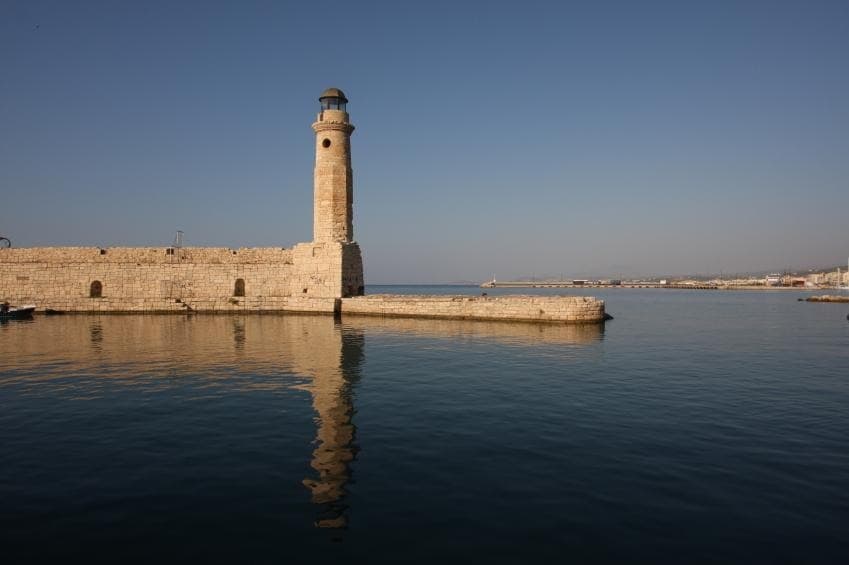
The old harbor at dawn feels like an invitation with an edge. Fishing boats bob in a slow rhythm, gulls argue over the last night's anchovy, and the 19th‑century Egyptian lighthouse—skin warm from the rising sun—casts a pale, patient eye across the Libyan Sea. Walk onto the quay and the stones of Rethymno's Venetian harbor are still cool underfoot. Narrow alleys pull you into a deliberate, lived-in map: shuttered balconies dripping bougainvillea, doorways stamped with carved stone heraldry, and bakeries steaming filo pastries that make your nose decide the day's plan before your feet do.
Rethymno is the kind of place where scale shifts without warning. The town can be a gentle lesson in “slow travel” — a half-day of wandering through an Old Town that reads like a layered manuscript of Venetian arches, Ottoman minarets, and modern Cretan life — and it can also be the jump-off point for dirt-track adventures inland. Combine a cinematic walking tour through the port and beach with a custom Jeep safari into the hinterland, and you leave with salt in your hair and dust on your boots.
History here is tactile. The Fortezza, a hulking Venetian fortress built in 1573, perches like a weathered guardian above the town, designed to repel pirates and rival empires. The Rimondi Fountain, fed by ancient aqueduct engineering, still gurgles stories of Ottoman-era public life. Stones and streets keep their own calendar: one minute you are tracing Venetian loggias and the next you’re standing before the Neratze Mosque, its domed silhouette a reminder of Crete's layered past. Locals will tell you that the town’s cadence was honed by the sea—goods, cultures, and cuisines arrived by boat and stayed, braided into what Rethymno is today.
Geology and geography matter, too. Crete's spine backs this coastline, dropping into gorges like secrets—Kourtaliotiko and the cliffs by Preveli are dramatic examples, where rivers have carved channels that bottle up pools and palm groves. The Libyan Sea, darker than the Aegean, dares you to wade and then pushes forward with a steady, approachable swell; it rewards afternoons with clean, empty beaches and reefs that attract migrating seabirds and the occasional loggerhead turtle.
How you experience Rethymno depends on appetite. Walkers and photographers love the Crete Cinematic Photo and Video Walking Tour: a three‑hour choreography of narrow alleys, the lighthouse, and a seaside stretch that gives you sweeping, cinematic frames at every corner. If you want history, a private Old Town guided tour will deliver: Venetian harbor stories, the Loggia, Rimondi Fountain, the Little Virgin Mary church, and a knowledgeable guide who will unpack Ottoman sieges and Cretan Orthodox rituals. For backcountry lovers, Custom Jeep Tours turn the island’s interior into an off‑road atlas—olive terraces, remote beaches, and date groves tucked into the mouths of gorges.
Practical rhythms matter. Summers here are sun-forward and busy; spring and fall are ideal for combining a mellow Old Town morning with a Jeep afternoon. Walking tours are best early—light is softer, temperatures kinder, and the fishermen bring the harbor alive. Jeep safaris prefer mid‑morning departures once coastal fog burns off and the trails are dry.
Preparation is simple but specific: sturdy shoes for cobbles and trails, a refillable water bottle (taps and springs are common), sunscreen and a hat, and a lightweight layer for breezy mornings on the quay. If you plan to shoot photos, bring a polarizer to cut coastal glare and a wide lens for alleys and the Fortezza ramparts. Expect uneven cobbles, steep steps into fortress walls, and the occasional stretch of loose gravel on back roads—nothing technical, but all the more reason to travel with sensible footwear.
Local culture is a quiet performance. Stop at a music shop in the Old Town to see Cretan instruments such as the lyra and laouto; listen when locals play—Cretan music is as essential to the town as its salt. Sample baklava or kataifi at a family-run workshop, sip raki with a mezze plate, and stay for the late afternoon when terrace tables fill and conversation becomes the town’s second language.
Logistics are forgiving: Rethymno is an hour or so by road from Heraklion depending on traffic, and it's well served by day trips that combine Chania, Kournas Lake, and inland highlights like Spili and Preveli. Private tours give the most flexible rhythm—linger in a village square or take a quick cliffside plunge if the mood strikes.
Rethymno’s combination of intimacy and variety is its strongest appeal. For walkers, it’s a microcosm of Cretan history and texture; for adventurers, it’s a gateway to inland cliffs and date groves. For anyone curious about food, music, and a coastline that refuses to be anonymous, Rethymno is a place that gives you both plan and pause. You’ll leave with one hand full of warm pastry and the other grasping directions to a hidden cove, already plotting the return.
If you go: start at the lighthouse; take your time in the alleys; book a local guide to hear the stories the stones keep; and, for an hour or an entire afternoon, let the Libyan Sea dare you to do less and see more.
Trail wisdom
Small choices, better day.
Start at First Light
Beat the heat and the crowds by wandering the Old Town and harbor at dawn—photographers and quiet-seekers get the best light and empty alleys.
Cobbles Require Grip
Wear supportive shoes with good tread—ancient cobblestone streets are scenic but uneven and slippery when wet.
Bring Refillable Water
Tap water is drinkable in many places; carry a filter bottle or refillable container to stay hydrated on walking or Jeep tours.
Pack a Light Layer
Sea breezes and fortress ramparts can be cool even on warm days—an extra layer prevents an early exit from a perfect viewpoint.
Local knowledge
Read the place, not just the route.
Watch for native species including loggerhead sea turtle (Caretta caretta), migratory seabirds and occasional falcons along coastal cliffs.
Keep an eye out for wildlife during the transition between areas and habitats. Respect distance guidelines.
Tour operators increasingly emphasize low-impact visits—stick to paths, avoid disturbing nesting sites, and choose local guides who support regionally focused conservation efforts.
Follow the guide's instructions on size limits, ethical handling, and leave-no-trace practices.
Spili village’s Venetian fountain and shady square for a quiet afternoon. Kournas Lake's rental pedal boats and lakeside taverna for a low-key escape
Locally recommended viewpoints and quiet spots known best to local operators.
Rethymno's Fortezza was constructed by the Venetians in 1573 to protect the port from pirate and Ottoman incursions.
Maritime roots and regional tradition shape the waterways and working coasts.
Seasonal guide
Four versions of the same landscape.
Spring
Best forwildflower displays · mild walking weather · fewer crowds
Challengesoccasional rain · cool mornings
Spring is ideal for combining Old Town exploration with inland hikes—temperatures are pleasant and the landscape is green.
Summer
Best forbeach swims · long daylight hours · boat trips
Challengeshigh daytime heat · full tourist season
Summer brings reliable beach weather and sea activities but plan mornings or evenings for walking to avoid heat.
Fall
Best forwarm sea · harvest-season flavors · comfortable touring
Challengesshortening days · occasional storms late season
Fall combines warm seas with quieter streets—ideal for food-focused tours and Jeep excursions before winter rains.
Winter
Best forlocal festivals · lower prices · peaceful town walks
Challengescool, wet weather · reduced services
Winter is quiet and atmospheric; some tours and amenities scale back, but this is the season for authentic local life.
Pack with intention
What to bring.
Good to know
Common questions.
Rethymno is about a one‑hour drive west of Heraklion by car; regular intercity buses also connect the cities and private transfers are widely available.
Plan the edges
The details that make the day easier.
The Fortezza of Rethymno was built by the Venetians in 1573 as a defensive citadel and remains one of the best-preserved Venetian fortresses on Crete.
Rethymno’s plates and streets reflect Cretan hospitality—expect strong coffee, simple grilled seafood, raki to toast with, and traditional music nights where the lyra and laouto set the pace; small workshops still handmake baklava and kataifi in the Old Town.
- Closest major hub
- Heraklion (~1 hour by road); public buses available; best to combine a morning Old Town walk with an afternoon Jeep tour; local guides offer private and group options—book peak-season slots in advance.
Support local guides and family-run tavernas, avoid single-use plastics, respect protected beach nesting areas, and stick to marked routes on off-road excursions to minimize erosion and habitat disturbance.
Explore by topic
Follow the threads.
Keep exploring
Make the story part of the trip.
Set out from Bass Harbor for a private, customizable day on Blue Hill Bay — lighthouses, puffins, seals, and the chance to feel Acadia from the water. Small groups, local captains, unforgettable views.
In four hours you can move from shaded canyon ferns to wind-scoured coastal ridgelines, guided by someone who knows where the light—and the hidden views—live. This private half-day hike on the Monterey Peninsula or Big Sur is compact, curated, and perfect for travelers who want depth without a multiday commitment.
 Related story
Beneath a sky of shifting light, Skaftafell’s ice reads like a map of time. This three-hour guided glacier hike mixes technical instruction with geology and culture: compact, safe, and unforgettable.