
What the day feels like
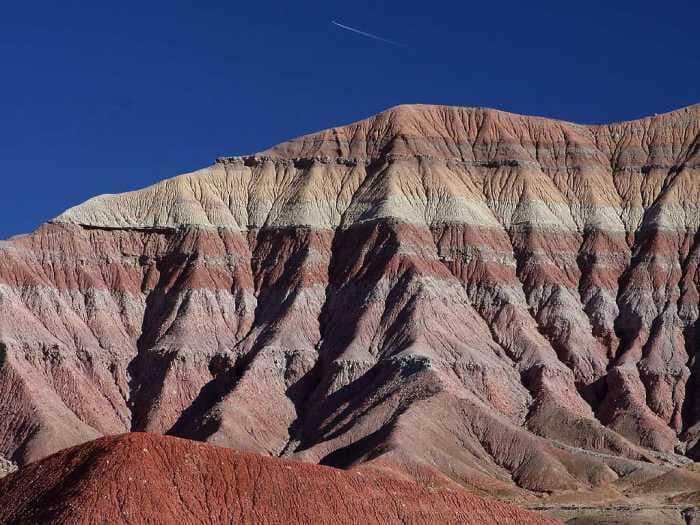
The trail begins under a thin arch of cottonwood and the creek moves with purpose — not rushing, but insisting on direction. At first light, when the red mesas still hold their cool and the air smells faintly of juniper and damp soil, Red Rock State Park feels less like a tourist stop and more like a landscape that will let you borrow its patience. Walk the creekside path for 10 minutes and you’ll see why Sedona’s red sandstone is more than a photo prop: it reads like geological scripture, banded and fluted by the slow work of wind, water, and time.
Red Rock State Park is an interpretive preserve and environmental education center perched on the western edge of Sedona. Its network of trails—roughly five miles of footpaths weaving through riparian cottonwood corridors, scrub oak, and open redrock benches—offers an accessible taste of the Colorado Plateau’s dramatic transitions: from shaded creekside ferns to sunbaked expanses where the rocks glow like embers at midday. For hikers who want varied terrain without committing to a long backcountry push, the park’s loop trails compress the region’s scale: sandstone ribs, small canyons, and wide vistas out toward Cathedral Rock and the buttes that define Sedona.
Geologically, the red hue is a patina of iron oxide on older layers of sandstone; the same forces that tilt and crack these cliffs over millions of years also sculpted the ridgelines you’ll scramble on. Human history runs parallel: the Sinagua people left cliff dwellings and agricultural traces in the canyons that flank Sedona, and modern-day visitors sometimes glimpse those ancestral footprints from the air. That’s where one of the park’s most cinematic options comes into play—book a helicopter tour (Everything Sedona, Ancient Sedona or Secret Wilderness) to fold decades of landscape and culture into a single sweep. From the air you can see Boynton and Long Canyons, where Sinagua ruins sit in narrow clefts only reachable by long hikes—and the helicopter gives you the accessible, reverent view without the footwork.
Red Rock State Park is not a passive backdrop; it assigns roles. Creek, canyon, and rock each have character. The creek dares you to notice small life—dragonflies, riffles, and the occasional mallard—while the mesas push your view outward, reminding you how small your city problems are against age and strata. The night is another actor: Sedona’s skies are famously dark, and the Original Sedona UFO and Stargazing Night Tour transforms the black dome above into a theater of satellites, constellations, and sometimes genuinely puzzling lights.
If you want a day that balances motion and mindfulness, pair a guided hike with a restorative practice. The Sedona Private Hiking and Yoga Experience is designed for precisely that rhythm—three plus miles of mainly flat hiking, followed by a yoga session on a rock bench with Cathedral Rock framed in the distance. It’s a concrete way to slip from exploration into reflection.
Practicalities matter here. The trails are moderate in grade with short, steep sections and uneven rock in places; expect 200–600 feet of elevation change on the longer loops and plan accordingly. Early mornings and late afternoons are the best windows for stable temperatures and optimal light—midday sun can be unforgiving, especially in summer. Hydration, sun protection, and steady footwear are non-negotiable.
For a visitor itinerary: start early with a loop through the creekside trails, schedule a midday helicopter flight if you want a survey of the region’s canyons and ruins, then return for an afternoon guided hike or a yoga cooldown. Cap the day with the night-sky tour; Sedona’s altitude and low light pollution make for surprising clarity. Guides in the area are local naturalists—if you take the Sedona Easy Hiking Tour, they’ll not only point out geology and flora, but bring in the human stories that make the landscape intelligible.
Local culture threads through every trailhead: Sedona is a town that trades on its scenery and its reputation for spiritual recharge, but it is also a working community with cafes serving Southwestern breakfasts and galleries that sell local prints. Support small conservation groups and the park’s interpretive programs; the preserve’s value is both ecological and educational.
Packing smart is straightforward: bring 2–3 liters of water, layered clothing for temperature swings, sun protection, and footwear with traction for sandstone. Phone service can be spotty in the canyons—download maps and emergency contacts before you go. And if you’re booking a helicopter or nighttime tour, check the cancellation policy: weather can change quickly in the canyons and operators will reschedule flights or skywatching for clear windows.
Red Rock State Park is at once a primer and a promise: a place to learn the language of redrock and desert water, and to leave with a practical sense of how to move responsibly through the Southwest. Whether you hike in under cottonwoods, float above the mesas in a helicopter, or lie back to watch constellations wheel, the park answers in a steady register—quiet, rooted, and insistently beautiful.
Trail wisdom
Small choices, better day.
Start at first light
Temperatures are mild and the light on the redrock is best in the early morning; you'll also see more wildlife then.
Carry 2–3 liters of water
There is limited shade on exposed sections; hydration is the single most important comfort and safety measure.
Wear shoes with traction
Sandstone can be smooth and steep in places—trail runners or light hiking boots with sticky soles are ideal.
Book aerial or night tours early
Helicopter and stargazing tours sell out in high season—reserve windows on your first day to allow reschedules for weather.
Local knowledge
Read the place, not just the route.
Watch for native species including Mule deer, a variety of songbirds and raptors.
Keep an eye out for wildlife during the transition between areas and habitats. Respect distance guidelines.
The park is managed as a nature preserve and education center—stay on designated trails, pack out all waste, and support local interpretive programs to reduce visitor impact.
Follow the guide's instructions on size limits, ethical handling, and leave-no-trace practices.
A short, shaded riffle on the creek that’s ideal for birdwatching in the morning. A sandstone bench on the western loop that frames Cathedral Rock without the crowds
Locally recommended viewpoints and quiet spots known best to local operators.
The area around Sedona was inhabited by the Sinagua people; their agricultural and cliff-dwelling sites dot the region’s canyonlands and are visible in aerial surveys.
Maritime roots and regional tradition shape the waterways and working coasts.
Seasonal guide
Four versions of the same landscape.
Spring
Best forwildflower blooms · comfortable hiking · photography at golden hour
Challengespopular crowds on weekends · occasional flash-flood risk in storms
Spring offers the most comfortable temperatures and bright desert blooms—expect busy trails on sunny days and pack for sudden showers.
Summer
Best forearly-morning hikes · stargazing after heat subsides · shorter daylight activities
Challengeshigh daytime heat · monsoon storms mid-to-late season
Summer mornings are best; afternoon monsoons bring dramatic light and sudden downpours, so plan hikes early and monitor weather.
Fall
Best forclear skies · moderate temps · leaf color in riparian zones
Challengescooler nights · higher weekend visitation
Fall is a favorite—milder days make longer hikes enjoyable, but bring layers for chilly mornings and evenings.
Winter
Best forquiet trails · crisp light for photography · clear night skies
Challengescold nights and occasional frost · possible icy patches on shaded rock
Winters are mild by mountain standards; dress warmly at night and expect crisp, clear days ideal for aerial tours and stargazing.
Pack with intention
What to bring.
Good to know
Common questions.
The park contains roughly five miles of interconnected trails; most popular loops take between 1–3 hours depending on pace and stops.
Plan the edges
The details that make the day easier.
Red Rock State Park is a 286-acre nature preserve and environmental education center that protects riparian and upland habitats in the Sedona area.
Sedona blends Southwestern cuisine with a wellness culture—expect farm-to-table cafes, Native American art in local galleries, and plenty of opportunities to join guide-led education programs.
- Park type
- Interpretive preserve; Trails: ~5 miles network; Best times: sunrise and late afternoon; Bookings: helicopter and night tours recommended in advance; Nearest town: Sedona (short drive).
Stick to established trails, avoid picking plants or disturbing wildlife, and consider donating to the park’s education programs—the preserve balances visitor access with habitat protection.
Explore by topic
Follow the threads.
Keep exploring
Make the story part of the trip.
Set out from Bass Harbor for a private, customizable day on Blue Hill Bay — lighthouses, puffins, seals, and the chance to feel Acadia from the water. Small groups, local captains, unforgettable views.
In four hours you can move from shaded canyon ferns to wind-scoured coastal ridgelines, guided by someone who knows where the light—and the hidden views—live. This private half-day hike on the Monterey Peninsula or Big Sur is compact, curated, and perfect for travelers who want depth without a multiday commitment.
 Related story
Beneath a sky of shifting light, Skaftafell’s ice reads like a map of time. This three-hour guided glacier hike mixes technical instruction with geology and culture: compact, safe, and unforgettable.