
What the day feels like
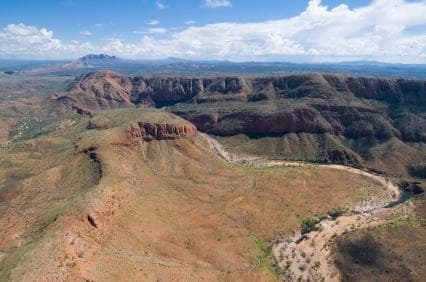
You climb out of a cold minibus before dawn, the sky a bruised sheet over the desert. Ahead, the MacDonnell Ranges stand like a serrated spine—ancient sandstone ridges colored in the slow, deliberate palette of central Australia. If you’ve come for a single image from the Outback, it’s here: shadowed gorges, fluorescent lichens on red rock, a wind that carries the scent of dry dust and bitter saltbush. The ranges do not rush to meet you. They test your patience, and reward closest attention.
The MacDonnell Ranges—called Tjoritja by the Arrernte people—stretch east and west from Alice Springs, a chain of folds and gaps carved over hundreds of millions of years. The West MacDonnell section around Alice Springs is a corridor of contrast: deep, cool waterholes ringed by ghost gums; narrow chasms that funnel light so sharply they appear lit from within; ochre pits that tell human stories older than written maps. Those human stories touch every path. The Arrernte’s connection to these places is visible in rock art, family songlines, and the names that return again and again on park signs and guides.
A typical day tour from Alice Springs gives you a concentrated lesson in desert geology and hydrology. Stops like Simpsons Gap, Standley Chasm, the Ochre Pits, Ormiston Gorge, and Ellery Creek Big Hole are close together on the map but feel like separate worlds. Simpsons Gap’s black-flanked cliffs open to a slender creek, where rock wallabies sit in the shade like stoic residents; Standley Chasm is a narrow slit, its red walls burning at midday. The Ochre Pits, with their stratified bands of mineral pigment, remind you that this landscape has been a palette for ceremonial practice for millennia. Ormiston Gorge’s broad amphitheater is a place to listen—wind, birds, and the discreet plop of water into a deep pool.
In summer, some waterholes become invitations. Ellery Creek Big Hole will swallow heat and spit out relief; on the West MacDonnell Ranges day trip you’ll often have the option to swim when conditions allow. The swim is practical as much as pleasurable: this is desert water saved in natural reservoirs, and dipping in late morning is a rare, restorative human gesture.
If you want the landscape from a different vantage, book the balloon. Early-morning ballooning over the plains around Alice Springs simplifies the Outback into patterns—dry creek beds like veins, clusters of spinifex, and the ridgelines of the MacDonnells sketched as gentle shadows. There’s a silence up there that changes how you understand the land: animals look like accents; the human footprint becomes smaller. Landings are soft, and the post-flight sparkling wine feels less celebratory and more ritual—an acknowledgment that you have seen a wide country from a respectful distance.
Practicality sits beside wonder here. Distances are long, services limited, and weather extremes are real. The day-trip model from Alice Springs is exactly that—one organized day to move efficiently between highlights while an experienced driver-guide handles short histories and navigation. Wear broken-in shoes for uneven rock, bring at least 2 liters of water per person for half-day outings (more in hot months), and carry a map or offline directions if you’re venturing off the beaten path. Note also that an NT Parks Pass is required for many stops; buy it in advance to skip the admin at the gate.
Culturally, this is not only geology. The Arrernte people’s living presence shapes how you should move through the ranges: stay on tracks, respect signage that designates cultural sites, and ask guides about appropriate behavior. Conservation here relies on small habits—carrying out rubbish, not climbing on fragile ochre layers, and using water sparingly in camp and at roadside stops.
Timing is everything. For hiking and easy gorge walks, the shoulder seasons—autumn and spring—deliver long days and pleasant air. Summer delivers blistering heat and the possibility of sudden storms; winter nights are cold but mornings are crystalline. Ballooning requires calm morning conditions; tours usually start before first light and return by mid-morning. If you’re planning to swim, confirm seasonal closures or safety notes; waterhole levels can vary dramatically year to year.
For the practical traveler: book a trusted West MacDonnell Ranges day trip out of Alice Springs if you want a high-yield introduction to the region—this is efficient, family-friendly, and guided with local knowledge. If you prefer solitude, plan an early start to walk parts of the Larapinta Trail independently, but ensure you are equipped and have informed someone of your plans. For a different rhythm, wake before dawn for a balloon flight that rearranges perspective; from altitude, the outback’s scale readjusts your sense of time.
The MacDonnell Ranges are not a place that yields everything at once. They are a place of patient viewing: of colors changing throughout the day, of birds that tune to wind, of rock textures that speak to geologic time. Pair a gorges-and-waterholes day trip with a balloon flight when you can—one gives you the tactile, close-in contact of walking through chasms and swimming in pools; the other gives you the solemn, scale-defining view from above. Do both and you know the ranges as both neighbor and horizon.
When you leave, keep an ear for the small sounds—a distant ding of a wind-blown twig, the flutter of a bird’s wing—and take with you a strain of slow desert perspective: resilient, austere, and quietly full of life.
Trail wisdom
Small choices, better day.
Carry more water than you think
Temperatures can spike quickly; plan for at least 2–3 liters per person for a day trip and more for summer hikes.
Wear grippy, broken-in shoes
Gorge paths and scramble sections are uneven and sometimes slick near water; trail runners or light boots work best.
Buy an NT Parks Pass ahead of time
Several stops in the West MacDonnells require a parks pass—purchase in advance to avoid delays at entry points.
Respect cultural sites and signage
Stay on marked trails, avoid photographing explicitly marked cultural areas, and follow guide instructions at sacred sites.
Local knowledge
Read the place, not just the route.
Watch for native species including Black-footed rock-wallaby, Wedge-tailed eagle.
Keep an eye out for wildlife during the transition between areas and habitats. Respect distance guidelines.
NT Parks Pass funds park maintenance; visitors are asked to follow Leave No Trace principles to protect fragile ochre sites and waterhole ecosystems.
Follow the guide's instructions on size limits, ethical handling, and leave-no-trace practices.
Morning light at Simpsons Gap for quiet wallaby sightings. A quiet walk to the Ormiston Ghost Gum lookout for scatterings of ancient rock art
Locally recommended viewpoints and quiet spots known best to local operators.
The Arrernte people have lived in and around these ranges for thousands of years; many features are part of songlines and cultural histories.
Maritime roots and regional tradition shape the waterways and working coasts.
Seasonal guide
Four versions of the same landscape.
Spring
Best forwildflowers · comfortable hiking · photography at golden hour
Challengesvolatile winds · sporadic rainstorms
Spring offers mild days and a flush of desert wildflowers—great for hiking and photography but expect gusty afternoons.
Summer
Best forwaterhole swims · short morning walks · balloon flights if conditions calm
Challengesextreme heat · thunderstorms and flash floods
Summer brings intense heat and sudden storms; plan early starts, avoid long midday treks, and check waterhole safety before swimming.
Fall
Best forlonger hikes · clear skies for ballooning · comfortable camping
Challengesshortening days · cool nights
Autumn is reliable and cool—ideal for full-day walks and dawn ballooning; nights can be chilly, so pack warm layers.
Winter
Best forclear, crisp views · birdwatching at waterholes · photography of stark landscapes
Challengescold mornings and nights · limited daylight for long hikes
Winters are dry and clear with cold mornings—excellent visibility and wildlife activity but bring warm layers for evenings.
Pack with intention
What to bring.
Good to know
Common questions.
Yes—many sites in the West MacDonnell National Park require an NT Parks Pass; buy it online before you go to avoid delays.
Plan the edges
The details that make the day easier.
The MacDonnell Ranges are known as Tjoritja to the Arrernte people and contain ochre pits and waterholes that have been culturally significant for thousands of years.
Alice Springs is a hub for Arrernte art galleries, bush-tucker experiences, and saltbush-infused cuisine—pair your day trips with a visit to local galleries and a meal at a town pub.
- Closest town
- Alice Springs (20–60 minute drives to major stops); passes: NT Parks Pass required for some sites; booking: book ballooning and guided tours in advance, especially in high season.
Respect cultural sites, avoid swimming where signs prohibit it, carry out rubbish, and purchase an NT Parks Pass—proceeds support park conservation and visitor infrastructure.
Explore by topic
Follow the threads.
Keep exploring
Make the story part of the trip.
Set out from Bass Harbor for a private, customizable day on Blue Hill Bay — lighthouses, puffins, seals, and the chance to feel Acadia from the water. Small groups, local captains, unforgettable views.
In four hours you can move from shaded canyon ferns to wind-scoured coastal ridgelines, guided by someone who knows where the light—and the hidden views—live. This private half-day hike on the Monterey Peninsula or Big Sur is compact, curated, and perfect for travelers who want depth without a multiday commitment.
 Related story
Beneath a sky of shifting light, Skaftafell’s ice reads like a map of time. This three-hour guided glacier hike mixes technical instruction with geology and culture: compact, safe, and unforgettable.