
What the day feels like
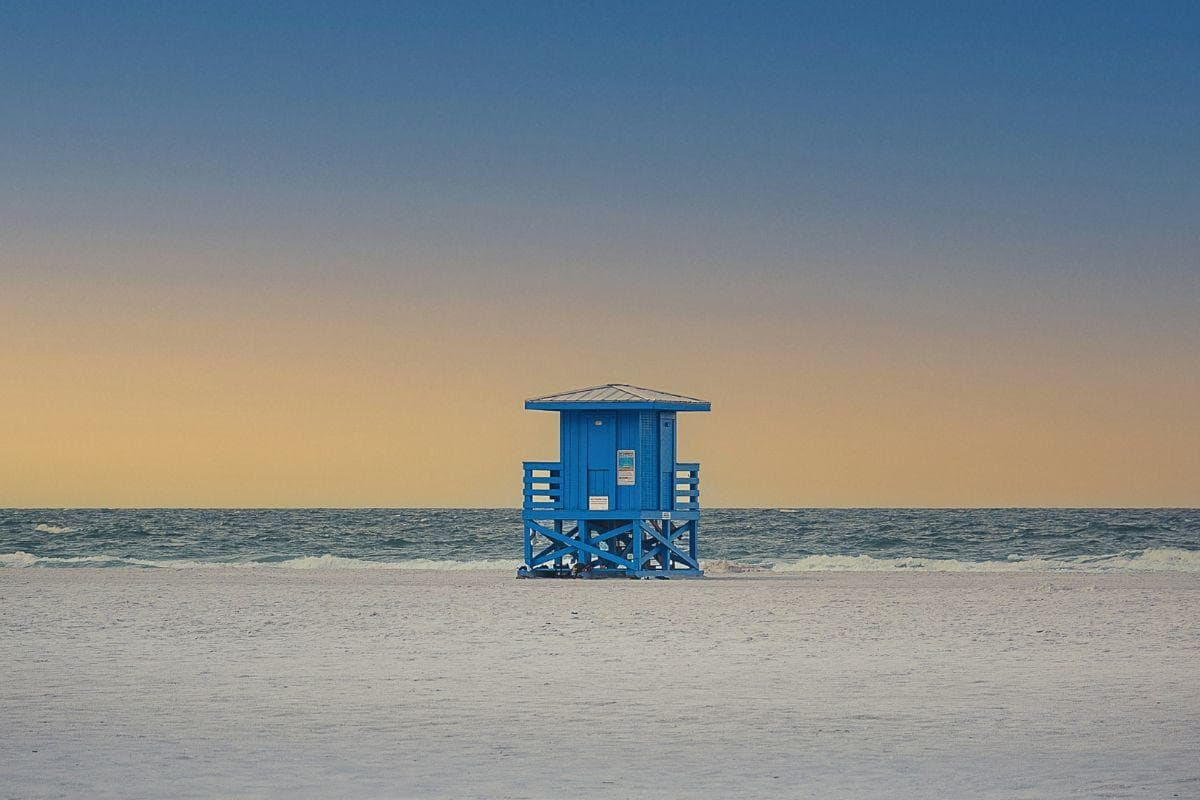
The sun slides down like a slow coin into the Gulf of Mexico, and the beach takes a final, collective breath. On Siesta Beach, that breath is audible in the soft sigh of sand, a fine white that squeaks beneath your shoes like sugar underfoot. You could stand and watch the colors smear for an hour, but tonight the horizon has company: a small caravan of electric bikes, their riders pedaling with easy grins as the coast blushes behind them. The bikes hum as if agreeing with the tide—gentle, willing, and made to go wherever your mood points.
Siesta Beach is a contradiction that makes sense: a world-class shoreline with a neighborhood heartbeat. Located on Siesta Key just off Sarasota, Florida, it’s famous for the sand—over 99% quartz, ground down across millennia, so fine it feels cool even under noon sun. The quartz gives the beach a milky brightness; the surface seems to keep secrets in its grains, reflecting light rather than absorbing it. That reflection keeps the sand comfortable to walk on during summer afternoons, and it is the quiet reason many visitors swear Siesta feels different from any other Florida beach.
Geology and human history are layered here. Siesta Key is a barrier island, born of shifting sea levels and sediments that rearrange themselves with every storm. Native peoples used these shores as seasonal camps long before the first cottages rose; during the 20th century, bridges and tourism reshaped the island into a public playground with a strong local culture. You’ll feel both: the ebb of tourism and the steadiness of community—kayak rental stands, family volleyball nets, and a small cluster of restaurants and galleries that make Siesta Key Village feel like an easygoing afterparty to the beach’s main event.
The practical magic of visiting Siesta is that the place takes care of the big things so you can pay attention to the small ones. Lifeguards patrol a generous stretch of shore. Wide, wooden boardwalks thread over dunes to protect nesting areas. If you time a visit for late afternoon, you’ll find the beach shifting personality—families and sunbathers trading space for couples and photographers, or the ever-popular drum circle that assembles on certain nights to celebrate the sunset with music and firelight.
The recommended way to see Siesta differently is to get on two wheels. The Siesta Key Electric Bike Sunset Tour gives you range without sweat: top-of-the-line e-bikes with five levels of pedal assist and an on-demand throttle mean you decide how much work you do. Typically this is a 2–3 hour loop that rolls from Siesta Village along the beachfront and into quieter residential stretches, pausing at Point of Rocks for snorkeling and at shaded parks to watch pelicans wheel. An e-bike tour fits Siesta’s temperament—laid-back, sporty when you want it, and collaborative with the elements. The breeze off the Gulf dares you to go faster; the setting sun gently reminds you to slow down and keep your camera ready.
Culture here is low-key but specific. Seafood rules the menus—grouper sandwiches, stone crab in season, and cocktails made with local rum. Art galleries in nearby Sarasota reflect the city’s longtime relationship with artists and performers, while the beach itself hosts rituals: yoga at sunrise, drum circles at sunset, and seasonal nesting patrols for loggerhead turtles. Conservation is not a buzzword here but an ongoing practice—volunteers monitor nests, beachgoers are asked to remove chairs from the dune line at night, and local ordinances protect the fragile vegetation that holds the sand in place.
Practical guidance: Go in the late afternoon if you want that sunset glow and fewer people, and bring layers—the gulf breeze can cut chill into October evenings. Hydration matters: Florida heats quickly and humidity layers on; a liter of water per person for a two-hour outing is reasonable. If you’re taking an e-bike tour, consider how comfortable you are with a hybrid saddle and slightly higher speeds than a casual pedal bike; helmets are generally provided, but confirm with your operator. For snorkeling at Point of Rocks, reef-safe sunscreen is required, and a short pair of water shoes or reef shoes will protect your feet over rocky shelves.
Logistics that save time: parking fills early on peak season weekends; use public transit, an early arrival, or valet services where available. The main public beach area has restrooms and concessions, but once you head east into quieter parts of the Key you’ll find fewer amenities. Respect the posted signs around dune fences and nesting zones—volunteer rangers will ask you to step back, and for good reason.
Siesta Beach is an easy beach to love because the elements are ready to be companions. The sand holds your weight and reflects the sun. The Gulf dares you to wade; the current pushes and plays. The e-bike gives you the agency to explore beyond the swells of umbrellas; you move at the intersection of wind, light, and human rhythm. Bring sensible shoes, reef-safe sunscreen, and the small humility of someone entering a living shoreline, and you’ll find Siesta generous in return.
At the end of your day you’ll probably find that no single snapshot or postcard does the place justice. It’s why so many people come back—the beach is an experience that accrues: first visit, you notice the sand; second, the light; third, the people. An e-bike sunset tour accelerates that learning curve, placing you in the arc between land and sea at the exact moment both are at their most informal and beautiful. That’s enough of a reason to book your passage. And if you want to linger, the village and greater Sarasota give you culture and cuisine to pair with your salt-still hair—another kind of replenishment before you head home.
Trail wisdom
Small choices, better day.
Book sunset slots early
E-bike tours and prime sunset viewpoints fill up—reserve a late-afternoon tour at least a week in high season.
Use reef-safe sunscreen
Florida law and local operators encourage reef-safe sunscreen to protect marine life and coral habitats at Point of Rocks.
Bring a light wind layer
Even warm days can cool quickly once the sun sets over the Gulf—pack a windbreaker or long sleeve.
Respect turtle nesting areas
Keep off marked dunes and avoid flash photography near marked nests during nesting season (May–October).
Local knowledge
Read the place, not just the route.
Watch for native species including Loggerhead sea turtles, Royal and Sandwich terns, shorebirds.
Keep an eye out for wildlife during the transition between areas and habitats. Respect distance guidelines.
Local groups monitor sea turtle nests and enforce dune protection; visitors are asked to remove chairs and avoid disturbing vegetation to preserve nesting habitat.
Follow the guide's instructions on size limits, ethical handling, and leave-no-trace practices.
Point of Rocks – a small rocky outcrop with good snorkeling and tide pools. Siesta Key Village – eclectic shops and late-afternoon cafes away from the main strip
Locally recommended viewpoints and quiet spots known best to local operators.
Siesta Key evolved from an early 20th-century fishing community into a connected barrier island after causeways and bridges linked it to Sarasota, growing into a popular recreation destination.
Maritime roots and regional tradition shape the waterways and working coasts.
Seasonal guide
Four versions of the same landscape.
Spring
Best forComfortable temperatures · Wildlife viewing · Biking
ChallengesOccasional strong winds · Spring break crowds
Spring offers mild days and good water clarity for snorkeling; expect more visitors during March and April.
Summer
Best forWarm sea swimming · Long daylight · Sea turtle nesting
ChallengesHigh heat and humidity · Afternoon storms · Busier beaches
Summer brings hot, humid conditions and afternoon thunderstorms—plan morning or evening activities and monitor weather.
Fall
Best forFewer crowds · Warm water · Golden sunsets
ChallengesHurricane season spikes (Aug–Oct) · Variable conditions
Fall is warm with clearer beaches and smaller crowds, but keep an eye on tropical weather forecasts.
Winter
Best forCalmer seas · Lower humidity · Off-season rates
ChallengesCooler evenings · Occasional chilly north winds
Winters are mild and less crowded—bring layers for breezy evenings and enjoy quieter beaches.
Pack with intention
What to bring.
Good to know
Common questions.
Yes; e-bikes provide pedal-assist and throttle options, and most tours are paced for mixed abilities—confirm helmet policy and skill requirements with the operator.
Plan the edges
The details that make the day easier.
Siesta Beach’s sand is composed of over 99% pure quartz, originating from the Appalachian Mountains and ground down over millions of years—this is why the sand feels cool and squeaky.
Sarasota’s culinary scene mixes fresh Gulf seafood with laid-back island bars; try a grouper sandwich at a waterfront shack, then wander Siesta Key Village for handmade goods and live music.
- Parking
- paid public lots; Facilities: restrooms and showers at main beach; Accessibility: boardwalks and occasional beach wheelchairs; Lifeguards: staffed seasonally; Pets: limited—check signs.
Support local conservation by using reef-safe sunscreen, following marked dune protections, participating in beach clean-ups, and avoiding disturbances to nesting turtles and shorebirds.
Explore by topic
Follow the threads.
Keep exploring
Make the story part of the trip.
Set out from Bass Harbor for a private, customizable day on Blue Hill Bay — lighthouses, puffins, seals, and the chance to feel Acadia from the water. Small groups, local captains, unforgettable views.
In four hours you can move from shaded canyon ferns to wind-scoured coastal ridgelines, guided by someone who knows where the light—and the hidden views—live. This private half-day hike on the Monterey Peninsula or Big Sur is compact, curated, and perfect for travelers who want depth without a multiday commitment.
 Related story
Beneath a sky of shifting light, Skaftafell’s ice reads like a map of time. This three-hour guided glacier hike mixes technical instruction with geology and culture: compact, safe, and unforgettable.