
What the day feels like
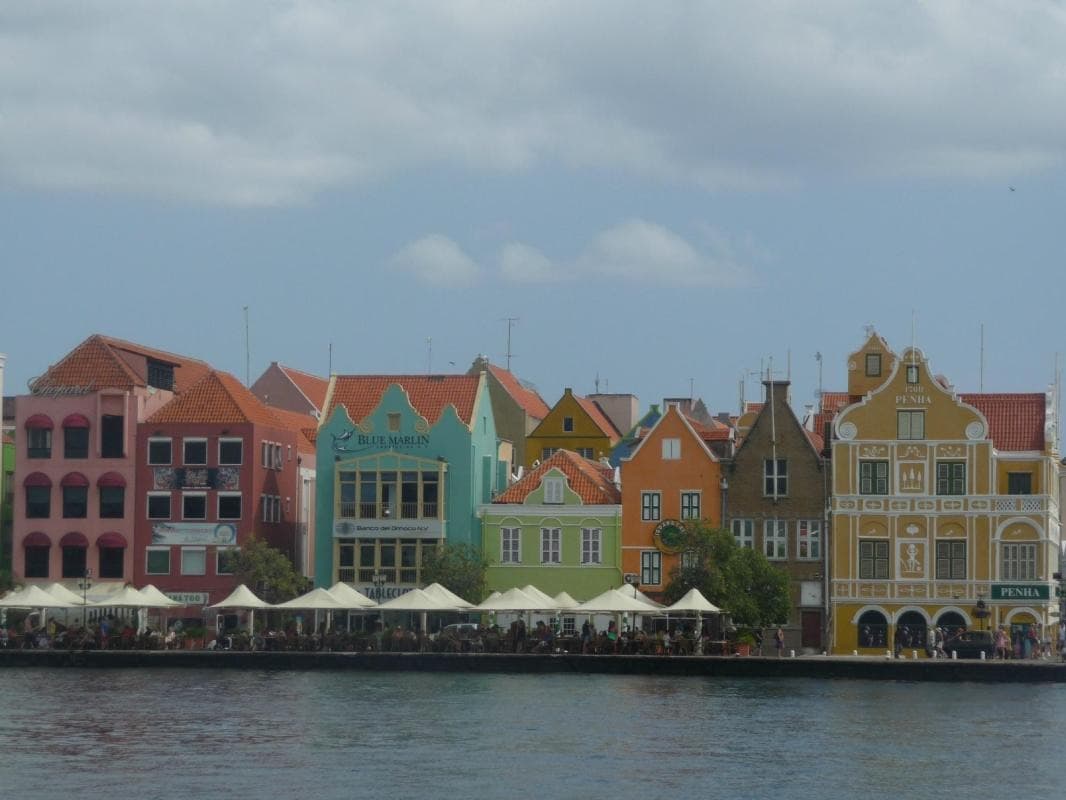
You step off the bus and into an island palette—facades of coral pink, buttercup yellow and sea‑glass blue lean into one another like neighbors offering shade. A harbor sighs and the Queen Emma floating bridge bobs gently as vendors in wooden boats shout the morning’s catch. Welcome to Punda, the old quarter of Willemstad, where history wears bright clothes and the water dares you to cross it.
Punda is less a single destination than a rhythm: slow mornings at the floating market, an energetic mid‑day filled with tuk‑tuks and murals, and a late afternoon when the pastel buildings glow the color of candlelight. It’s the kind of place you can explore on foot for a couple of hours and feel like you’ve traversed centuries—the Dutch colonial grid and African, Latin American, and Caribbean influences braid together along narrow streets and open plazas.
The district sits on the eastern shore of St. Anna Bay and faces Otrobanda across the water. Most guided walking tours clock in at about two hours and cover the essentials—Fort Amsterdam, Wilhelmina Square, the iconic Curaçao and Dushi signs and the Queen Emma pontoon bridge that opens to let ships through, creating a small drama of vendors, pedestrians and pontoons rising like a curtain. For a quick immersion, the Curacao Walking Tour listed among local offerings is a tidy way to do this, with maps and local stories that make each square and mural meaningful.
History and geology here feel close to the skin. Willemstad’s harbor carved by coral limestone and volcanic outcrops has been a gateway since the 17th century, and in 1997 the city’s historic center—Punda included—was inscribed as a UNESCO World Heritage Site. That designation is visible in the architecture: gabled Dutch facades reinterpreted with Caribbean light and climate, wooden shutters and verandas, and the practical, colorful resilience of buildings designed to breathe in heat rather than fight it.
Culture in Punda is immediate. The floating market is still supplied by Venezuelan boats ferrying fruits and fish; Marichi Pier draws photographers at golden hour; Netto Bar in Otrobanda is known for its green rum—a local ritual. Guided experiences—like the eco‑tuk‑tuk tours or e‑bike downtown routes—pull the curtain back on mural art lanes, hidden squares and the Riffort’s rooftop outlook. For nightlife, Punda hums after dark: lights reflect on the canal, live music slips through open doors and a fireworks display on special nights leans into a celebratory island mood.
But Punda also works as a basecamp. From the harbor you can be out on the turquoise water within an hour—powerboat experiences in RIBs give a teeth‑tingling ride along the coast and stop for snorkeling at a shallow shipwreck or Playa Piskado to swim with sea turtles. The Blue Room cave is a short, exhilarating swim and dive, its blue pulse a reminder that the underwater world off Curaçao is as compelling as the streets above.
Practicalities and a few hard truths: Punda is flat and walkable—expect around 1–2 miles if you cover the main loop. Bring lightweight shoes; the streets are mainly cobblestones and can be hot underfoot at noon. The midday sun is honest; plan to explore early or around late afternoon when pastel facades receive the best light and the floating bridge opens for maritime traffic. If you’re a cruise passenger, several half‑day city tours tailor their schedules to ship docks. If you want a quieter, slower experience, book a sunset photography tour; the light softens the buildings and the city loses its tourist rush.
When to go: Curaçao’s driest months fall between December and April. Those months deliver the most reliable blue skies and comfortable trade winds, though shoulder seasons like April and November can offer fewer crowds and warm water for snorkeling. Rain in summer tends to come as quick showers rather than prolonged storms, but humidity rises.
Why travelers should make space for Punda: it’s a compact, layered taste of Curaçao that pairs neatly with half‑day adventures—snorkel the Blue Room in the morning and return to a late lunch in Punda’s plazas. It’s ideal for photographers who want vibrant geometry and for travelers who enjoy mixing walking, culture, and a dash of adrenaline out on the water.
Plan like a local: carry cash for small market purchases, wear reef‑safe sunscreen if you’re hopping on a boat, and respect the currents when swimming in the Blue Room. Book boat trips in advance during cruise season and ask operators about group size—RIB boats deliver speed and thrills, while smaller launches can feel more intimate. Above all, let the harbor decide your pace: walk until the colors change and the air cools; then get on the water and let the island show you another side.
Punda gives you the rare balance of historic weight and unapologetic fun—a place where colonial eaves and street art coexist, where a floating market sells both plantains and stories, and where the sea keeps offering new angles. Whether you’re walking the UNESCO streets, clicking the Dushi sign at sunset, or catching a powerboat that slices the harbor into a spray of possibilities, Punda rewards curiosity with a brightness that lasts long after you leave.
Trail wisdom
Small choices, better day.
Go early or late for light and cooler temps
Midday can be hot and crowded; aim for a morning walk or golden hour to avoid heat and get the best photos.
Bring a refillable water bottle
Curaçao’s sun is strong—carry at least 1 liter per person for a short city loop and more if you plan to boat or snorkel.
Use reef‑safe sunscreen
If you’ll snorkel or swim, reef‑safe sunscreen protects coral and marine life—apply at least 15 minutes before entering the water.
Carry small cash for the floating market
Vendors often prefer small bills or local currency (ANG) for fruits, snacks and quick purchases.
Local knowledge
Read the place, not just the route.
Watch for native species including Green sea turtles (Playa Piskado), Brown pelicans and frigatebirds around the harbor.
Keep an eye out for wildlife during the transition between areas and habitats. Respect distance guidelines.
Reef protection is a priority—use reef‑safe sunscreen, don’t touch corals or turtles, and choose operators who follow marine‑conservation practices.
Follow the guide's instructions on size limits, ethical handling, and leave-no-trace practices.
Marichi Pier at dawn for reflections and quiet fishing boats. The mural alleys in Otrobanda—street art that tells local stories
Locally recommended viewpoints and quiet spots known best to local operators.
Willemstad’s historic center, including Punda and Otrobanda, reflects Dutch colonial urban planning blended with Caribbean adaptations and was designated a UNESCO World Heritage Site in 1997.
Maritime roots and regional tradition shape the waterways and working coasts.
Seasonal guide
Four versions of the same landscape.
Spring
Best forShoulder‑season crowds · Snorkeling visibility · City strolls
ChallengesOccasional showers · Variable wind for boats
April and May bring warm seas and fewer tourists—ideal for combining a Punda walking tour with an afternoon boat trip.
Summer
Best forLower prices · Lively local events · Swimming
ChallengesHigher humidity · Short, heavy showers
Summer is hot and humid but still great for water activities; pack a light rain layer and plan morning walks.
Fall
Best forWarm water · Fewer cruise crowds · Photography
ChallengesSome wind and brief storms · Higher humidity
September–November can be warm with occasional rain—excellent for off‑peak visits and clear underwater visibility between storms.
Winter
Best forDry weather · Stable sea conditions · Golden‑hour photos
ChallengesPeak tourist season · Higher prices
December–April is the most reliably dry season with steady trade winds—perfect for boat trips and sunny city walks.
Pack with intention
What to bring.
Good to know
Common questions.
Most guided walking tours last about two hours and cover the main loop from Wilhelmina Square to the Queen Emma Bridge and the waterfront.
Plan the edges
The details that make the day easier.
Willemstad’s historic inner city—including Punda and Otrobanda—was named a UNESCO World Heritage Site in 1997 for its unique colonial architecture and harbor layout.
Taste Curaçao: try keshi yena (stuffed cheese), sample local 'green' rum at Netto Bar, and browse the flea market for woven goods—Punda’s food and craft scene blends Dutch, African and Caribbean flavors.
- Where to start
- Wilhelmina Square or Queen Emma Bridge. Time needed: 2–4 hours (add more for boat trips). Accessibility: mostly flat but cobbles; bridge opens for ships. Currency: ANG and USD commonly accepted. Bookings: reserve popular tours ahead in peak season.
Choose operators who limit group sizes, practice no‑touch snorkeling, and promote reef‑safe products; reduce plastic by carrying a reusable bottle and avoid feeding wildlife.
Explore by topic
Follow the threads.
Keep exploring
Make the story part of the trip.
Set out from Bass Harbor for a private, customizable day on Blue Hill Bay — lighthouses, puffins, seals, and the chance to feel Acadia from the water. Small groups, local captains, unforgettable views.
In four hours you can move from shaded canyon ferns to wind-scoured coastal ridgelines, guided by someone who knows where the light—and the hidden views—live. This private half-day hike on the Monterey Peninsula or Big Sur is compact, curated, and perfect for travelers who want depth without a multiday commitment.
 Related story
Beneath a sky of shifting light, Skaftafell’s ice reads like a map of time. This three-hour guided glacier hike mixes technical instruction with geology and culture: compact, safe, and unforgettable.