
What the day feels like
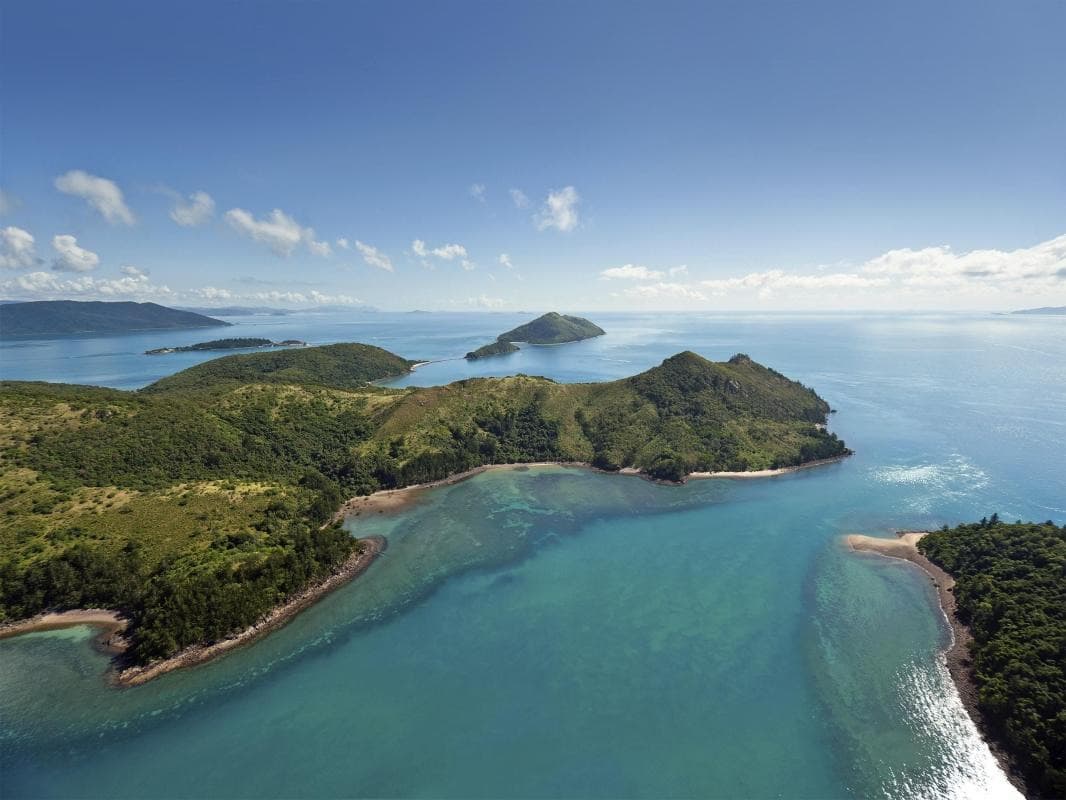
The engine thins to a hush, sails feather in the warm trade wind and the passage opens: a corridor of turquoise threaded with reefs and islands that have been moving people—by canoe, ship and propeller—since Captain Cook named them on a Whitsunday in 1770. On deck the water seems to want your attention, every shade shifting toward the vivid and impossible: aquamarine close to shore, deep indigo where the Great Barrier Reef runs out to sea. The Whitsunday Passage is not a single destination; it’s a chaptered experience, where a morning snorkel on Langford Reef, a noon picnic on Whitehaven’s silica rim and a late-afternoon scenic flight over Heart Reef can all happen in the span of a day.
This stretch of sea between the Queensland mainland and the Whitsunday Islands is primarily a marine highway—routes for private yachts, tall ships, high-speed rafts and expedition cruises—yet it’s also a living classroom. Geologically the islands are coral-capped remnants of an ancient volcanic arc weathered flat and invaded by reef systems. The Passage itself is a navigable seam, carved and reshaped by tides and currents, that threads between coral bommies and mangrove-fringed bays. Indigenous Ngaro people navigated these waters long before European charts; their seafaring knowledge and cultural connection to the islands still surface in local stories, art and guided tours.
Travel here to experience contrasts: the intimate—sea turtles gliding under a snorkeling mask; the epic—vistas of Hill Inlet’s swirling silica sand from the lookout; and the cinematic—a fixed-wing flight that reveals Heart Reef’s beating index of coral gardens. Operators like Ocean Rafting and Thundercat turn the Passage into an action-packed day of surf-and-sand, while private tallship charters and multi-day expedition yachts offer slower, more immersive itineraries. For travelers who want to see the reef from every vantage, FlyRaft packages combine a scenic flight with an ocean-raft tour; for those who want to sleep under the stars between dives, the overnight sailing options such as Prima or small yacht expeditions turn the Passage into home base.
The science of this place is everywhere if you look: coral morphology, the interplay of tidal flows and sediment that creates Whitehaven’s famously pure silica sand, and an ecosystem that supports green sea turtles, hundreds of reef fish species, and migrating humpback whales in winter months. It’s also an area under active stewardship—the Great Barrier Reef Marine Park Authority regulates anchoring and access, and many local operators participate in citizen science and reef-monitoring programs. That local conservation ethic doesn’t only protect biodiversity; it enhances the visitor experience by preserving the clarity and abundance that make snorkeling and diving here world-class.
Practical edge: if you want to maximize time in the water, pick a Northern Exposure Ocean Rafting tour for extra snorkel time, or a Reefworld full-day trip if you prefer structure—a moored platform, wetsuits, an underwater observatory and semi-submarine options. If you’re after romance and learning, book a small private expedition or the Great Barrier Reef Luxury Expedition Cruise where Master Reef Guides share decades of firsthand knowledge. For speed and adrenaline, the Thundercat and raft options deliver thrills without sacrificing stops at Hill Inlet lookout and Whitehaven Beach.
Timing matters. Australia’s winter (June–August) is the region’s dry season, offering calmer seas and clearer water for both snorkeling and flights; it’s also whale season—so bring binoculars. Summer brings warmer seas and storm risk, including the occasional cyclone, so insurance and flexible bookings are wise. Stinger season (late October to May) means some operators provide stinger suits or wetsuits; always follow crew advice.
Logistics: most tours depart from Airlie Beach, the tourism hub on the mainland. Expect early departures if you’re taking a scenic flight—sunrise and mid-morning flights offer the best light for Heart Reef photography—and mid-morning or early-afternoon departures for full-day boats. Bring reef‑safe sunscreen, a lightweight waterproof jacket for sea spray, and a reef‑wise attitude: no touching coral, no taking shells.
For a first-timer’s itinerary: take a morning scenic flight over Heart Reef and Whitehaven to understand the geography from above; follow with a raft or catamaran tour that drops you at Langford Reef or another fringing reef for snorkeling; finish with time ashore at Whitehaven and the Hill Inlet lookout at low tide, when silica swirls paint the bay. If you have more time, an overnight sailing trip affords early-morning dives and a quieter mooring when day boats leave.
The Whitsunday Passage is an invitation to move—by wind, by wing and by wave—and to let the sea set the pace. Whether you’re a casual snorkeler, a shutter-clicking photographer or a salty-booted sailor chasing trade winds, this slice of the Great Barrier Reef offers a compact yet richly varied coastal adventure. Respect the reef, plan for seasonal shifts, and you’ll leave with sunscreen-scented memories and a better sense of how a living reef connects land, sea and sky.
Trail wisdom
Small choices, better day.
Book early-season flights for best visibility
Mornings in winter have the clearest skies and softer light for scenic flights over Heart Reef and Whitehaven Beach.
Bring reef-safe sunscreen and a thin wetsuit
Operators often require or provide stinger suits in summer; reef-safe sunscreen protects coral and keeps your skin comfortable in cooler winter waters.
Choose your boat to match your tolerance for speed
If you’re prone to seasickness, pick Thundercat or larger catamarans; high-speed raft tours are exhilarating but choppier.
Respect moorings and coral
Use designated moorings, don’t anchor on reefs and avoid touching coral—both legal and conservation imperatives.
Local knowledge
Read the place, not just the route.
Watch for native species including Green sea turtles, Humpback whales (seasonal).
Keep an eye out for wildlife during the transition between areas and habitats. Respect distance guidelines.
The area lies within the Great Barrier Reef Marine Park with strict anchoring and access rules; many operators participate in reef monitoring and use moorings to reduce coral damage.
Follow the guide's instructions on size limits, ethical handling, and leave-no-trace practices.
Langford Reef—less crowded snorkel spot with regular turtle encounters. Hook Island’s Chalkies and secluded bays for quiet short walks
Locally recommended viewpoints and quiet spots known best to local operators.
Captain James Cook named the Whitsunday Islands in 1770 after sighting them on the Christian feast of Whitsunday; Indigenous Ngaro people have an older, continuing cultural connection to the islands.
Maritime roots and regional tradition shape the waterways and working coasts.
Seasonal guide
Four versions of the same landscape.
Spring
Best forcalmer seas · good snorkeling visibility · wildflowers on land
Challengesoccasional showers · warmer water attracts jellyfish
September–November brings improving sea conditions and warmer water; snorkeling is excellent, but stinger season begins late spring in some years.
Summer
Best forwarmest water for swimming · long daylight hours · early morning flights for dramatic light
Challengeshigher humidity · tropical storms and cyclone risk · stinger season (jellyfish)
December–February is hot and humid with the warmest sea temps; book flexible, cyclone-aware travel and expect stinger suits on many tours.
Fall
Best forfewer crowds than peak winter · stable weather windows · good visibility before storms
Challengesresidual heat through March · variable sea conditions some days
March–May offers balanced conditions—good snorkel visibility and diminishing summer heat—ideal for avoiding the heaviest crowds.
Winter
Best forclearest water and skies · whale watching · milder daytime temperatures
Challengescooler water (wetsuit recommended) · higher demand and bookings
June–August is dry and settled, producing the best visibility and frequent humpback sightings; book early for prime slots on flights and tours.
Pack with intention
What to bring.
Good to know
Common questions.
Basic swimming ability is recommended. Operators provide flotation and snorkeling instruction, and many shallow fringing reefs allow comfortable surface snorkeling.
Plan the edges
The details that make the day easier.
Captain James Cook named the Whitsunday Islands on Whitsunday (June 3), 1770; the name has persisted for over 250 years.
Airlie Beach is a laid-back hub of cafes, seafood shacks and charter operators; try locally caught prawns and barbecued reef fish, and look for Indigenous art and storytelling sessions that connect visitors to Ngaro cultural narratives.
- Departures
- Airlie Beach (main hub). Booking: early, especially June–August. Expect: multiple operator styles—high-speed raft, catamaran, private yacht, scenic flight. Safety: follow crew briefings and use moorings. Payments: some island kiosks are cash-preferred.
Choose operators that use designated moorings, brief guests on reef etiquette, and endorse reef-safe sunscreen; support local conservation programs and minimize single-use plastics.
Explore by topic
Follow the threads.
Keep exploring
Make the story part of the trip.
Set out from Bass Harbor for a private, customizable day on Blue Hill Bay — lighthouses, puffins, seals, and the chance to feel Acadia from the water. Small groups, local captains, unforgettable views.
In four hours you can move from shaded canyon ferns to wind-scoured coastal ridgelines, guided by someone who knows where the light—and the hidden views—live. This private half-day hike on the Monterey Peninsula or Big Sur is compact, curated, and perfect for travelers who want depth without a multiday commitment.
 Related story
Beneath a sky of shifting light, Skaftafell’s ice reads like a map of time. This three-hour guided glacier hike mixes technical instruction with geology and culture: compact, safe, and unforgettable.