
What the day feels like
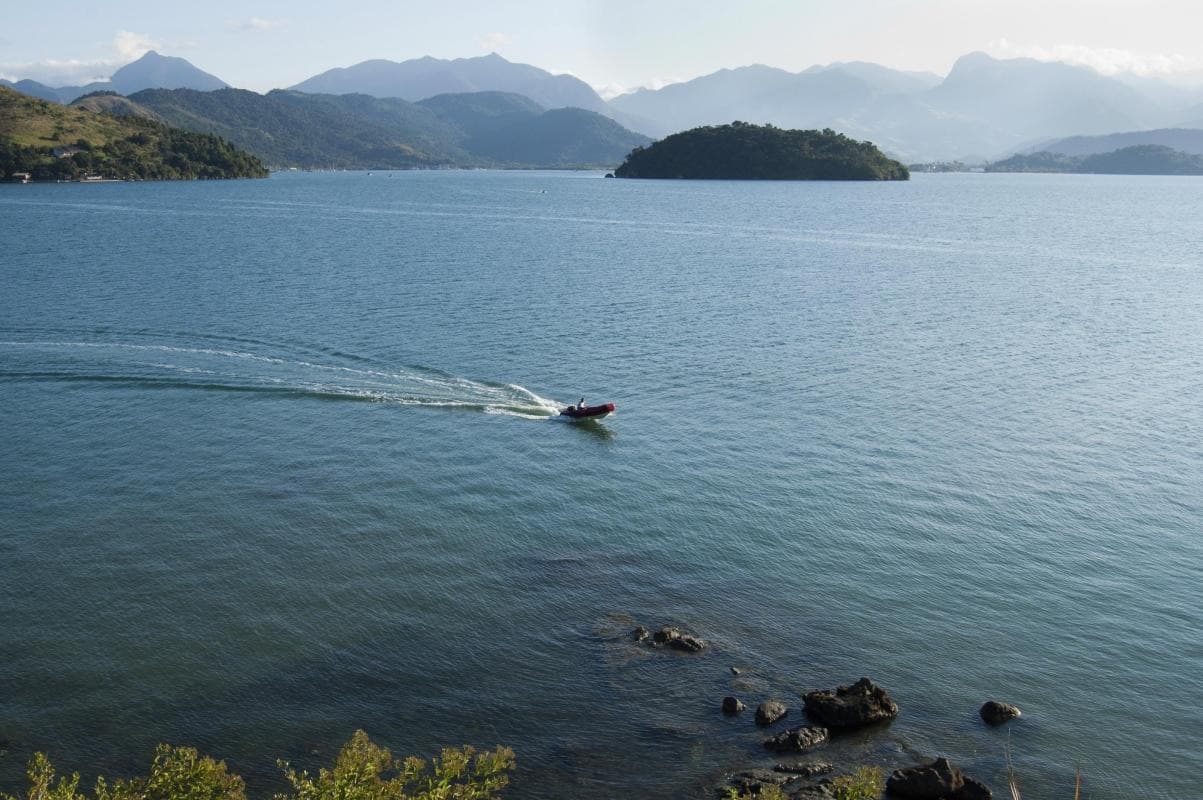
The schooner slips out of the old port as if waking from a dream. Morning light slants across cobblestones in Paraty’s colonial center, catches on the varnished rail, and the town soon lags behind—a spill of tiled roofs and white church facades folding into dense Atlantic forest. Ahead, the bay opens like a booklet of islands: more than sixty-five green pages, each a private chapter of sand, reef and mangrove. You feel the water deciding your pace—the current nudges the bow, seabirds call the margins—and for a few hours the rhythm is simple: glide, dive, dry, and repeat.
Paraty Bay is both subtle and abundant. Geologically, it’s a drowned coastline where the Serra do Mar drops into the Atlantic; islands are the high points of an ancient, fractured landscape, their rocky cores draped in rainforest. The ocean around them holds fringing reefs and seagrass beds, which in turn host fish, rays and the occasional turtle. Culturally, Paraty town is a rare thing in Brazil: a living colonial grid of Portuguese-era streets, its history braided with the gold trade of the 18th century and later the slow recovery of fishing and small-scale tourism. Today the bay’s charm is both natural and human—fishermen tending nets, guides pointing out historic anchorage spots, and local cachaça poured on schooners to toast a day well spent.
There are two dominant ways to meet the bay. One is social and slow: step aboard a schooner or private boat and let a crew pick the best coves for snorkeling and sunbathing. Several operators run half- and full-day trips with multiple stops; typical itineraries anchor at three or four beaches and islands, with total sailing time that includes an initial 30–40 minute crossing to the outer archipelago. Stops last about an hour—enough for a snorkel above coral gardens, a walk on white sand, and a bite of fruit. These cruises are excellent for families, photographers, and anyone who wants variable pacing and the ease of a crew.
The other way in is intimate and active: sea kayaking and Hawaiian canoeing. Paraty’s mangroves and quieter coves are best explored by paddle. Trips range from four-hour mangrove-and-island outings to multi-day expeditions to Praia Vermelha, where overnight camping or beachside stays extend the rhythm of the sea. You don’t need prior skills for guided ocean kayaking tours—operators supply instruction, life vests and local knowledge—but the rewards are specific: sneaking into mangrove channels unreachable by larger craft, dropping a paddle in turquoise shallows, and the feeling of steering your own line through the bay’s geography.
Both styles of trip reward attention to detail. In the mangroves, birds and crabs are constantly at work: herons stalk, kingfishers flash, fiddler crabs scuttle and display. Offshore, the coral reefs demand a quieter curiosity—don’t touch, look and float—and you’ll likely see colorful reef fish, shoals that move like a single animal, and if you’re lucky, green or hawksbill turtles.
Practicalities are straightforward but worth considering. Boat tours (schooners and private charters) vary from small private launches for 2–6 people to larger schooners that host groups; they typically include snorkel gear and sometimes lunch and drinks—check the itinerary. Kayak tours often last about four hours and include mangrove channels, deserted beaches, and a snorkel stop; a two-day guided sea kayak trip takes you farther along the Costa Verde and requires better fitness and basic overnight gear. Weather and sea state govern schedules—operators may change routes to avoid wind or rough seas—so flexibility is part of the plan.
Timing matters. Paraty’s driest months are May through September; seas are commonly calmer then, which favors kayaking and snorkeling visibility. If you want warm water and lush coastal vegetation, late spring and early summer are attractive, but be prepared for afternoon showers in Brazil’s warmer months. For fewer crowds, aim for weekday departures or a private boat to access quieter coves.
Preparation is simple but impactful. Reef-safe sunscreen, a wide-brim hat, and hydration are non-negotiable; bring a light waterproof layer for breezy crossings. Footwear that can get wet—sandals with straps or neoprene booties—helps on rocky island landings. If you’re photographing, a floating strap for your camera and a small dry bag keeps kit safe. On extended kayak trips, guides will brief you on paddling technique, tides and wildlife etiquette; listen—local knowledge makes the difference between a good trip and a memorable one.
Paraty Bay’s long-term health depends on how visitors move through it. Choose operators who follow responsible anchoring and waste practices, avoid single-use plastics, and brief guests on reef etiquette. The mangroves are not just scenery; they’re nursery habitat and shoreline armor. Respect them and they’ll keep revealing their secrets.
In a single day you can shift perspectives—from shoreline stroller in Paraty’s cobbled center to silent paddler threading a mangrove channel, to a deck-side lounger with cachaça in hand watching islands recede. Paraty Bay gives options, and it gives room: room to be active, to rest, and to watch the slow, tidy shuffle of a Brazilian coastal ecosystem. The landscape has a patient rhythm; once you match it—by paddle or by sail—you’ll know why people return.
Trail wisdom
Small choices, better day.
Book morning departures
Morning light and calmer seas improve snorkel visibility and make paddling easier; afternoon sea breezes can pick up quickly.
Use reef-safe sunscreen
Protect coral and marine life—choose biodegradable, reef-safe sun protection and avoid lotions that wash off in the water.
Bring a dry bag and floating strap
Keep phone, camera and keys safe during boat transfers or in kayaks with dedicated waterproof storage.
Listen to guides on wildlife etiquette
Guides know quiet approaches and safe distances—follow their instructions to maximize sightings and minimize disturbance.
Local knowledge
Read the place, not just the route.
Watch for native species including Green sea turtle (chelonia mydas), Kingfisher and shorebird species in the mangroves.
Keep an eye out for wildlife during the transition between areas and habitats. Respect distance guidelines.
Local operators and NGOs focus on reef protection and responsible anchoring; travelers can help by using reef-safe sunscreen, avoiding single-use plastics, and following guides’ instructions.
Follow the guide's instructions on size limits, ethical handling, and leave-no-trace practices.
Paddle into narrow mangrove channels at low tide for quiet birdwatching. Cotia and Praia Vermelha islands for early morning snorkeling before crowds arrive
Locally recommended viewpoints and quiet spots known best to local operators.
Paraty served as an 18th-century export port during Brazil’s gold route, its cobblestoned center preserving Portuguese-era architecture.
Maritime roots and regional tradition shape the waterways and working coasts.
Seasonal guide
Four versions of the same landscape.
Spring
Best forLush coastal scenery · Calmer seas early in season
ChallengesOccasional afternoon showers · Warmer temps bring more swimmers
Spring transitions to Brazil’s warmer months; vegetation is vivid and water temperatures rise—expect some showers but excellent marine life activity.
Summer
Best forWarmest water for swimming · Full island flora
ChallengesHigher chance of rain and thunderstorms · More visitors during holidays
Summer is hot and humid with periodic storms—good for swimming but choose sheltered itineraries on windy days.
Fall
Best forFewer crowds · Pleasant temperatures
ChallengesVariable visibility for snorkeling early in season · Shortening daylight hours
Fall delivers comfortable weather and quieter tours, making it a fine shoulder-season for both boat and kayak trips.
Winter
Best forCalmer seas · Excellent snorkel visibility
ChallengesCooler mornings · Less warm water for long swims
Brazilian winter (June–August) is drier and often offers the clearest water and most reliable paddling conditions.
Pack with intention
What to bring.
Good to know
Common questions.
No—many operators run guided mangrove and island kayak tours that include paddling instruction and are suitable for beginners; multi-day trips may require better stamina.
Plan the edges
The details that make the day easier.
Paraty Bay includes more than 65 islands and was a crucial maritime corridor for Brazil’s 18th-century gold trade—its historic port remains the town’s cultural center.
Pair a day on the water with Paraty’s cultural pleasures: eat freshly grilled fish in a seaside barraca, try local cachaça in a caipirinha, and wander the cobbled historic center where art galleries and ironwork tell colonial stories.
- Departure point
- Paraty harbor; tour length: 4 hours–full day; bookable: schooner cruises, private charters, single- and multi-day kayak trips; dress: swimwear + sun protection; language: Portuguese
Opt for operators that limit group sizes, use mooring instead of anchoring on reefs, provide briefings on wildlife etiquette, and avoid single-use plastics—small choices protect mangroves and coral.
Explore by topic
Follow the threads.
Keep exploring
Make the story part of the trip.
Set out from Bass Harbor for a private, customizable day on Blue Hill Bay — lighthouses, puffins, seals, and the chance to feel Acadia from the water. Small groups, local captains, unforgettable views.
In four hours you can move from shaded canyon ferns to wind-scoured coastal ridgelines, guided by someone who knows where the light—and the hidden views—live. This private half-day hike on the Monterey Peninsula or Big Sur is compact, curated, and perfect for travelers who want depth without a multiday commitment.
 Related story
Beneath a sky of shifting light, Skaftafell’s ice reads like a map of time. This three-hour guided glacier hike mixes technical instruction with geology and culture: compact, safe, and unforgettable.