
What the day feels like
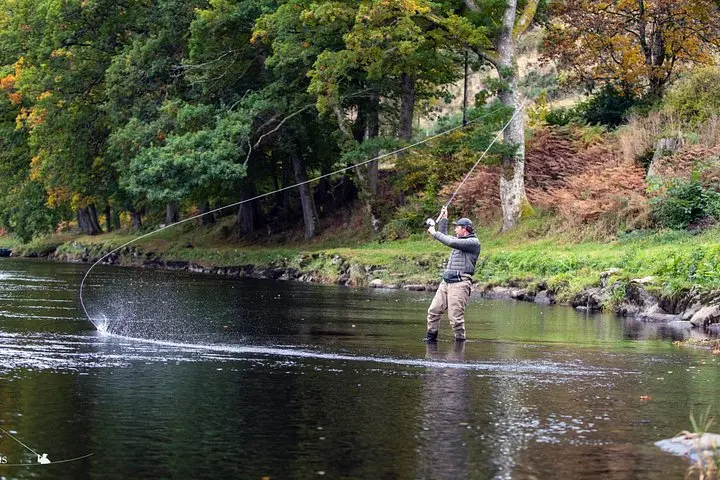
The river arrives before you see it. In the morning light the Tay is a silver lung that inhales and exhales through the valley, the current whisper-rough over cobble and swept gravel. You stand on the bank with a double-handed rod in hand, the braided line singing as it arcs overhead. It’s quiet in the way only rivers are quiet—every sound is measured, purposeful—and then a guide calls for a change of fly, and suddenly you’re part of a choreography that has played out on this water for generations.
This is salmon fishing on the Tay: less about conquest and more about timing, technique and respect. The Viator experience 'Salmon Fishing in Scotland' pairs private instruction with time on some of the Tay’s classic beats, offering tailored Spey-casting tuition and access to water that can be tricky to reach alone. Whether you’re a first-timer learning the sweep of a Spey cast or an experienced angler sharpening your presentation, the day is a blend of technical coaching and patient rivercraft.
Geology and history set the mood. The Tay cuts through Highland schists and Old Red Sandstone, carrying glacial melt and peat-stained humus from the hills into broader lowland channels. Those geological rhythms define holding lies—deeper tails, undercut banks and gravel runs where salmon pause during their multi-thousand-mile freshwater migration. Angling culture here is old and exacting; ghillies and beat owners have tended water rights and techniques for centuries. The Tay itself has a legendary place in Scottish angling lore—famous not only for the size of its Atlantic salmon but for the exacting skills a successful day demands.
Culturally, a day on the Tay moves at a different pace. Aberfeldy, the nearest town, is a tidy Highland crossroads of tweed shops, a whisky distillery and the local coffee shop where guides and ghillies still meet to swap notes over tea. Local guides bring more than casting drills; they carry the river’s seasonal memory—where fish showed last week, which fly worked in last spring’s low water, which beat is sheltered from a north wind.
Practicalities arrive with the sunrise. The trip runs about eight hours and typically includes all necessary tackle and waders, though bringing a favorite rod or reel can be welcome. Expect a day that mixes standing and walking along uneven banks, short wades, and long casts. Guides can usually arrange permits and notify you of beat conditions in advance. If a salmon takes, the moment is exhilarating and measured: a heavy run, a roaring line off the reel, and the slow work of playing a powerful, chrome-flashing fish back toward shallow water. It’s not always about trophies; many days the lesson is in precise presentation, the feel of a good cast and the quiet mastery of reading current seams.
For anyone planning a day, a few pragmatic ideas help keep things simple. Layer for cold mornings that can warm into clear, wind-swept afternoons. Bring a packed lunch you can eat on the bank. Keep footwear that handles wet, cobbled terrain and mud—riverbanks in Scotland are rarely forgiving. Most important: listen to the guide. They read water the way pilots read weather, and small adjustments in line control or leader length can change a day.
This is also a responsible way to fish. Guides work within established beats, respect catch-and-release norms or preserve rules depending on the season, and often arrange rod licences and permits for you. A thoughtful angler treats the Tay like a neighbor: no litter, no unnecessary bank disturbance and careful handling of fish to minimize stress.
If you want to extend the trip beyond a single beat, Aberfeldy is a practical base. After a day on the river, consider a dram at the distillery or dinner at a local pub where stories of narrow escapes and lost fish are welcome. For photographers, the river’s light at dawn and dusk rewards patience; for those who want to learn, the day’s instruction will give you techniques you can use on other Scottish rivers.
Book this sort of guided day to learn proper Spey technique, to access beaten water you likely couldn’t otherwise, and to see why the Tay keeps drawing anglers back. For more on skills and local instruction, check out the detailed local guide and booking page for <a href='https://app.advcollective.com/local-experts/spey-casting-salmon-fishing-day-on-the-tay-guided-lessons-from-aberfeldy'>Spey casting and salmon fishing lessons on the Tay</a> and to get a sense of how instruction and access combine to make a productive day. If you’re looking to tighten your cast, the same resource also outlines guided lessons and how guides tailor sessions to every aptitude.
A day here isn’t guaranteed to end with a landed salmon. What it reliably delivers is better casting, a firmer understanding of river mechanics and—if the morning smiles on you—a memory of line screaming out under a far run. That sense of working with a place, rather than against it, is what draws anglers to the Tay year after year.
Trail wisdom
Small choices, better day.
Book a morning slot
Early river hours provide cooler water and calmer winds, improving presentation and increasing chances of active fish.
Layer for variable weather
Start with a breathable base layer and bring an insulated mid-layer and waterproof shell—temperatures can swing dramatically.
Trust the guide
Local guides know beat-specific hazards and ideal presentation—follow their advice on wading and fly choice.
Protect the fish
Have a wet towel or landing cradle ready and minimize air exposure if practicing catch-and-release.
Local knowledge
Read the place, not just the route.
Watch for native species including Otter, Osprey.
Keep an eye out for wildlife during the transition between areas and habitats. Respect distance guidelines.
Guides follow local conservation rules, promote catch-and-release where appropriate, and emphasize minimal bank impact to protect spawning gravels and riparian habitat.
Follow the guide's instructions on size limits, ethical handling, and leave-no-trace practices.
A quiet gravel run two miles downstream from Aberfeldy that rarely sees anglers. A small backwater pool that warms in late spring and holds resting salmon
Locally recommended viewpoints and quiet spots known best to local operators.
The River Tay has shaped local settlement and angling traditions for centuries; beats and ghillies date back to estate practices of the 18th and 19th centuries.
Maritime roots and regional tradition shape the waterways and working coasts.
Seasonal guide
Four versions of the same landscape.
Spring
Best forActive spring runs · Learning Spey casting · Cool, steady water
ChallengesHigh spate after thaw · Cold mornings
Spring offers lively runs and excellent instruction conditions, though water can be fast after snowmelt or heavy rain.
Summer
Best forLonger daylight · Warmer bank-side comfort · Photographic light
ChallengesLow, clear water · More selective fish
Summer can be beautiful but demands delicate presentation when water drops and clears.
Fall
Best forPeak salmon runs · Powerful fish · Dynamic weather
ChallengesUnpredictable storms · Shortening daylight
Autumn is prime for strong runs and big fish, but expect heavy rain and shifting conditions.
Winter
Best forRiver study and casting practice · Solitude
ChallengesIce and high flows · Short daylight hours
Winter is for committed anglers; many beats close or become difficult in high flows and cold conditions.
Operator details
What the booking data adds.
Included
- ✓Professional guiding tailored to your needs
- ✓Salmon/trout fishing and Spey casting tuition – 8 hours
- ✓Expert instruction throughout the day
- ✓Safety equipment
- ✓Fishing Permit
- ✓Snacks
- ✓All fishing equipment is provided
Not included
- —Alcoholic Beverages
- —Lunch
Good to know
- ✓Infants and small children can ride in a pram or stroller
- ✓Service animals allowed
- ✓Public transportation options are available nearby
- ✓Not recommended for travelers with spinal injuries
- ✓Not recommended for pregnant travelers
- ✓Not recommended for travelers with poor cardiovascular health
- ✓Travelers should have at least a moderate level of physical fitness
Pack with intention
What to bring.
Good to know
Common questions.
No. The day offers instruction tailored to all levels—from complete beginners learning Spey basics to experienced anglers refining presentation.
Plan the edges
The details that make the day easier.
The River Tay is Scotland's longest river and is renowned for producing some of the largest Atlantic salmon ever recorded in the UK.
After the river, head into Aberfeldy for a dram at the Dewar's distillery or a hearty meal at a local pub; anglers trade stories over single-malt and simple Highland fare.
- Closest airport
- Edinburgh (approx 75 miles). Driving from Aberfeldy town center to most beats: 5–30 minutes. Cell service: intermittent along river; expect better coverage near towns. Permits: Scottish rod licence required and beat permits arranged by guide on request.
This river system benefits from careful angling practices—pack out all waste, avoid disturbing spawning gravels, and follow guide instructions to minimize handling stress on salmon.
Explore by topic
Follow the threads.
Keep exploring
Make the story part of the trip.
 Related story
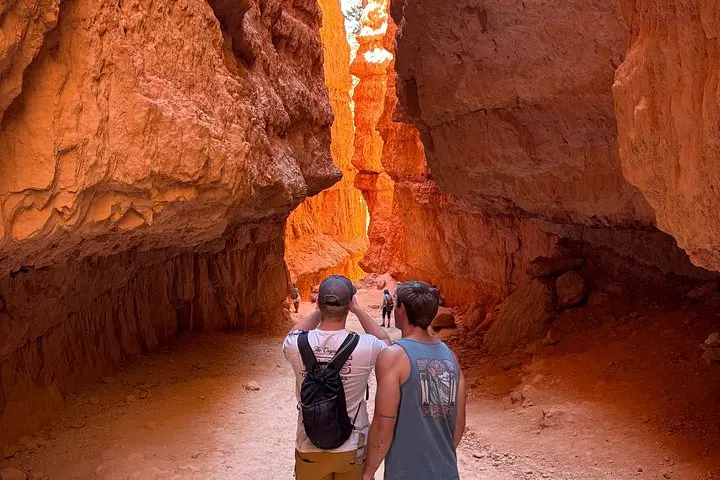
A guided sunrise hike down the Navajo Loop turns Bryce Canyon’s hoodoos from postcard scenery into an intimate geology lesson. Three miles, expert narration, and unforgettable light—this tour is the quickest way to understand how ice, time, and wind carved a city of stone.
 Related story
A three-hour guided mountain-bike tour that threads alpine lakes, Roman passes and timbered ridges on the Italy–France border—perfect for riders who want a scenic, accessible taste of high-Alpine adventure.
 Related story
A single-day private tour from Munich that moves from Zugspitze’s wind-scoured summit to the glassy shores of Eibsee, across Austria’s Highline179 suspension bridge, and finishes beneath the turrets of Neuschwanstein. Efficient, scenic, and full of photo moments—here’s how to make the most of it.