
What the day feels like
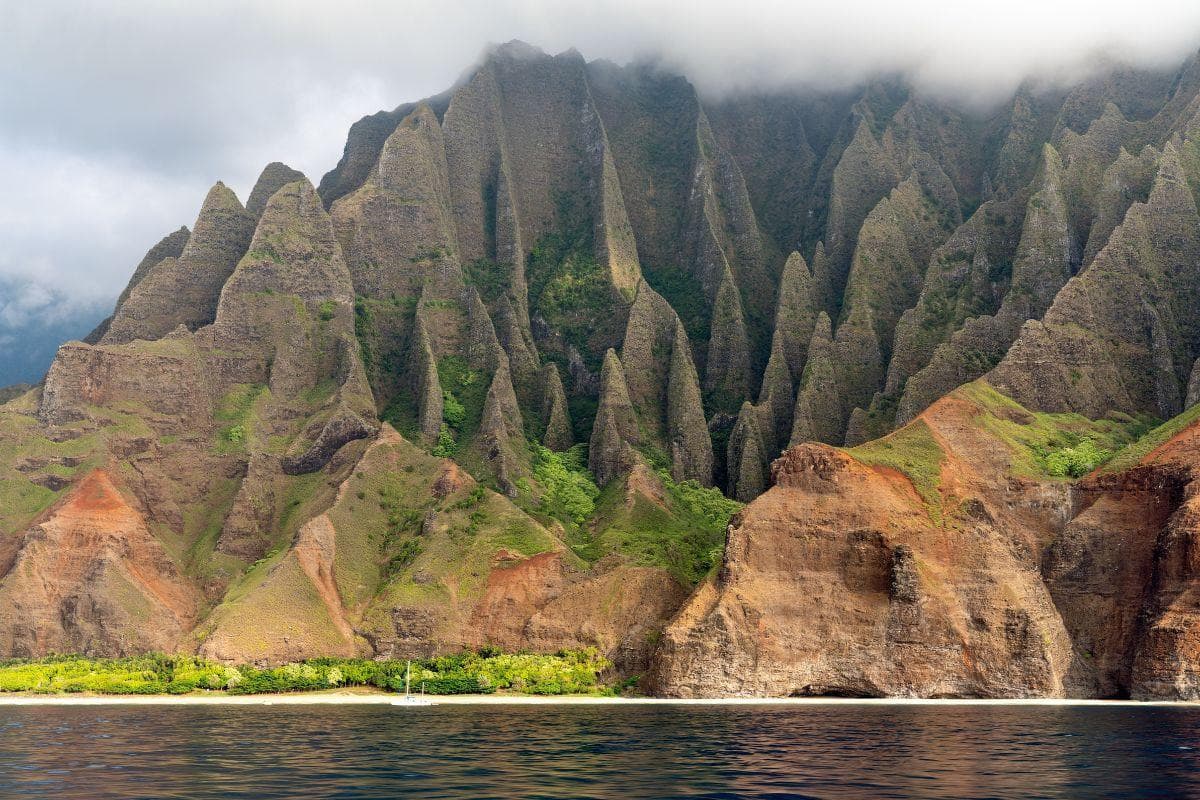
The first time the Nā Pali Coast comes into focus it feels less like arriving at a place and more like being admitted to a cathedral of stone and sea. From a vantage on deck—wind tangling your hair, salt on your lips—the coastline unspools in an impossible run of emerald ridges and basalt spires, the cliffs shedding waterfalls that thread their way to the Pacific. The sound is a low, constant admonition: move closer, look longer. Boats slip up against sea caves, helicopters torque into narrow valleys, and everything, in some small way, submits to the coast’s gravity.
Nā Pali, on Kauai’s northwest flank, is as uncompromising as it is beautiful. Its name means "the cliffs," and that literalism is apt: jagged ridgelines drop as much as 4,000 feet to narrow, often inaccessible beaches. Geologically, these cliffs are the result of millions of years of erosion and catastrophic collapses of Kauai’s ancient shield volcano. The island’s wet, wind-driven climate carved deep valleys and honed the coastline into a lacework of steep ridges and sea caves. To the Hawaiian people who lived here for centuries, those valleys were agricultural hearts—taro terraces and ancient villages like Nu'alolo Kai held thriving communities prior to Western contact. Many of the ruins and terraces visible from the sea are a reminder that this beauty was also home.
Where to experience Nā Pali depends on how close you want to get. For adrenaline and intimacy, a zodiac raft will hug the coast and thread sea caves when conditions permit. Operators like NaPali Riders and several custom raft companies specialize in nimble explorations that let you feel the spray and hear the rush of waterfalls from a few dozen yards away; these half-day adventures often run 5–5.5 hours and include snorkeling at pristine reefs when the ocean calms. If you prefer comfort with the same drama, luxury catamarans such as the Lucky Lady or Lady Kailani provide padded seating, shaded lounges, catered meals, and longer stretches of time cruising the coastline—many morning and full-day departures include snorkel stops, while sunset sails add an afterglow that turns the cliffs into silhouettes of molten indigo.
For photographers and travelers who want a rapid introduction, express catamarans like the ‘Imiloa cut the transit time so you spend more time in front of the cliffs. If you want the kind of perspective only the sky can give, AirVentures and other plane tours offer window-seat panoramas of the Kalalau Valley, the jagged Paliku ridgeline, and waterfalls that plunge in a single, dramatic drop. Helicopter tours—doors-off for the braver—deliver an immediacy that’s hard to beat: you’ll hover over valleys where ancient taro terraces ripple in green, and you’ll see human history etched into the landscape.
The experience is sensory and exacting. On a zodiac you’ll feel the ocean’s temper: bouncy and thrilling one moment, glasslike and reflective the next. On a catamaran, the tempo slows—captains point out sea caves, ancient fishing terraces, and favored whale corridors in winter. Local-run boats, like the Amelia K, often bring the richest cultural context; family crews share stories passed down through generations, explaining place names and the legends that linger in each valley.
Practicalities matter here. Weather dictates what you’ll see: summer months (May–September) typically bring calmer seas and better snorkeling, while winter surf reveals dramatic wave action and, between December and April, migrating humpback whales. Raft tours can be physically demanding—expect a bouncy ride and, for snorkeling, a vertical ladder to board from the water. Weight limits, often around 250 pounds per person, and minimum ages vary by operator. Many boats depart from Kekaha and Port Allen on the west side or Hanalei on the north shore; Hanalei departures are notably shorter to the coast and allow more time at the cliffs.
If you plan to land—Nu'alolo Kai is one of the few places where a permitted beach landing is possible—book well in advance. That permit requirement preserves the archaeology and ecology of the ancient fishing village and gives visitors a rare chance to step ashore, snorkel, and take a guided cultural walk through restored terraces. Otherwise, most visits remain sea-based or aerial; the Kalalau Trail is the land route, a strenuous multi-day trek that requires separate permitting and serious planning.
Safety and stewardship go hand in hand. Bring reef-safe sunscreen (many operators refuse conventional sunscreen to protect coral), a light jacket for spray and wind, and motion-sickness medication if you’re susceptible. Respect marine wildlife—do not approach resting monk seals, and maintain distance from spinner dolphins. If you’re photographing, shoot during golden hour for the richest colors and use a polarizer to cut glare without oversaturating the greens.
The Nā Pali Coast is one of those rare places that asks you for your full attention. It rewards patience with close-up sea caves, vertiginous waterfalls, and a sense of scale that recalibrates what you thought possible in nature. Whether you choose the whip of a zodiac, the comfort of a catamaran with a lunch buffet, or the silence of a helicopter, come prepared and come curious. The coast will do the rest—daring you to keep your eyes open and your feet, when they’re back on land, firmly planted in respect for a landscape that has held its mysteries for centuries.
Trail wisdom
Small choices, better day.
Bring reef‑safe sunscreen
Many operators require reef-safe sunscreen to protect coral; apply beforehand and pack a refillable bottle.
Prepare for rough seas
Zodiac and raft tours can be very bouncy—take motion-sickness meds if you’re prone and wear secure footwear.
Book permitted landings early
Beach landings at Nu'alolo Kai require special permits and fill quickly—reserve weeks in advance.
Time it for the light
Morning tours typically mean calmer seas; sunset sails deliver dramatic silhouettes and softer light for photos.
Local knowledge
Read the place, not just the route.
Watch for native species including Spinner dolphins, Green sea turtles.
Keep an eye out for wildlife during the transition between areas and habitats. Respect distance guidelines.
Local operators practice limits on landings, encourage reef-safe sunscreen use, and many eliminate single-use plastics to protect marine ecosystems.
Follow the guide's instructions on size limits, ethical handling, and leave-no-trace practices.
Nu'alolo Kai beach landing and guided cultural walk (permit required). Hanalei Bay departures for shorter transit times and unique north‑shore perspectives
Locally recommended viewpoints and quiet spots known best to local operators.
Nā Pali was home to extensive Hawaiian agricultural communities; valleys still reveal taro terraces and ancient village sites visible from the water.
Maritime roots and regional tradition shape the waterways and working coasts.
Seasonal guide
Four versions of the same landscape.
Spring
Best forWhale watching (late winter into spring) · Lush valley views
ChallengesUnpredictable rain showers · Variable seas as storms subside
Spring can still carry winter swell but also brings waterfalls at peak flow and the tail end of humpback season.
Summer
Best forCalm seas and snorkeling · Sea cave access
ChallengesStronger sun and UV exposure · Higher visitor demand
Summer offers the calmest ocean conditions and best visibility for snorkeling along the coast.
Fall
Best forStable weather windows · Fewer crowds than summer
ChallengesPossible early storms · Variable wave conditions
Fall is a quiet shoulder season with good visibility and comfortable temperatures.
Winter
Best forDramatic surf · Peak whale migration (Dec–Apr)
ChallengesRougher seas and canceled tours · Cold wind and spray
Winter delivers spectacular wave action and reliably high waterfall flows, but tours are more weather-dependent.
Pack with intention
What to bring.
Good to know
Common questions.
Some locations, like Nu'alolo Kai, allow permitted landings through specific tour operators; permits are limited to protect archaeological and ecological sites.
Plan the edges
The details that make the day easier.
The Nā Pali Coast features cliffs up to 4,000 feet tall and was once home to dense ancient Hawaiian settlements with extensive taro terraces visible from the sea.
Support native and family-run boat companies—their crews share place names, chants, and fisheries knowledge. Sample local flavors like poke, laulau, and shaved ice in nearby towns and buy locally made koa or woven goods to support island artisans.
- Departure points
- Kekaha
- Port Allen (west) or Hanalei (north). Typical durations
- 3–6 hours for boat tours; 45–65 minutes for air tours. Check for weight limits (~250 lb), age minimums, and permit requirements for beach landings. Bring reef-safe sunscreen and motion-sickness remedies.
Choose operators that use reef-safe sunscreen, avoid single-use plastics, and support permitted, low-impact landings to protect archaeology and marine life.
Explore by topic
Follow the threads.
Keep exploring
Make the story part of the trip.
Set out from Bass Harbor for a private, customizable day on Blue Hill Bay — lighthouses, puffins, seals, and the chance to feel Acadia from the water. Small groups, local captains, unforgettable views.
In four hours you can move from shaded canyon ferns to wind-scoured coastal ridgelines, guided by someone who knows where the light—and the hidden views—live. This private half-day hike on the Monterey Peninsula or Big Sur is compact, curated, and perfect for travelers who want depth without a multiday commitment.
 Related story
Beneath a sky of shifting light, Skaftafell’s ice reads like a map of time. This three-hour guided glacier hike mixes technical instruction with geology and culture: compact, safe, and unforgettable.