
What the day feels like
The day in Santa Cruz Bay begins with the quiet insistence of surf and salt. Before the village of La Crucecita wakes, a hush sits over the marina; fishing pangas blink their nav lights, and the bay holds its breath. Push off in a tandem sea kayak and the water answers with a muffled, steady stroke—each paddle pull a small negotiation with the ocean. Ahead, the sun skims the horizon, turning the bay into a slow-motion watercolor. This is the signature opening for most days here: dawn on the water, a string of bays to choose from, and an easy intimacy with the Pacific that rewards curiosity more than bravado.
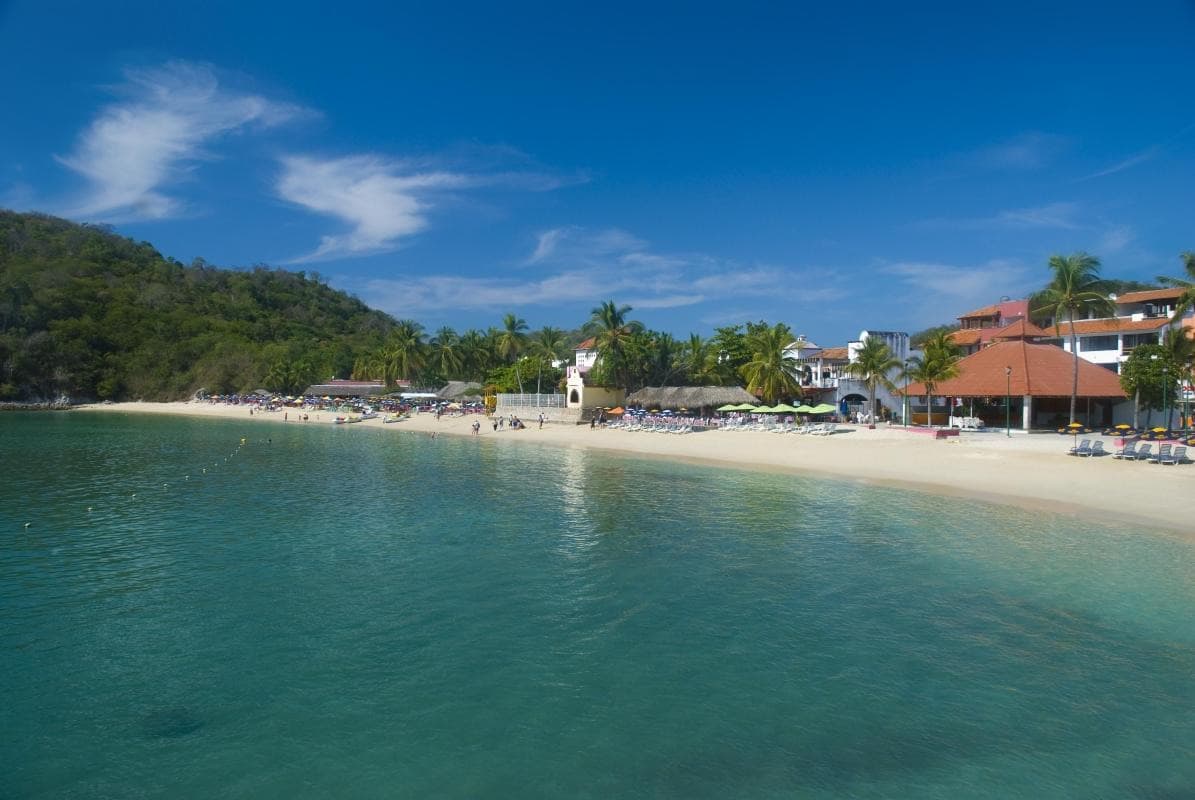
Santa Cruz Bay (Bahía Santa Cruz) is Huatulco’s lively front porch. It’s where colorful pangas and sleek yachts share the same wake, where local fishers still haul in a morning catch, and where a cluster of touring options—sunrise kayaks, seven-bay boat rides, private pangas, and even nocturnal swims to see bioluminescence—let visitors tailor their day. The coastline around Santa Cruz is geologically patient: folded cliffs and pocket beaches carved from volcanic and sedimentary layers, shallow reefs that radiate life, and the breathy drama of Bufadero—a blowhole that theatrically forces ocean through a narrow rock throat during swell.
Historically the coastline supported small fishing villages and subsistence agriculture. The arrival of tourism changed the cadence of life, but Huatulco retains a local rhythm: fish markets at dawn, palapa restaurants grilling the catch at noon, and mangrove-lined estuaries that shelter birds and juvenile fish. In 1998 the Mexican government moved to protect large swaths of these bays, preserving nine major coves and their marine ecosystems under the Huatulco National Park designation. That protection is why many of the bays still feel secret—accessible only by boat and largely unchanged.
Geology here is subtle but meaningful. The bays are carved into a coast of resistant rock and softer seams; over millennia waves breached those weaker seams to create the sheltered coves that now hold turquoise water and sandy beaches. Where currents funnel through narrow channels you’ll find healthy upwelling—plenty of nutrients, and therefore fish. That’s why snorkeling reveals a riot of color: parrotfish, angelfish, and the occasional sea turtle that tucks into the reef.
Culturally, this is Oaxaca’s coast—seafood takes local precedence, but with flavors that borrow from indigenous moles, citrus, and the abundance of local herbs. Try the Playa El Maguey specialty: pineapple hollowed and stuffed with seafood, a sweet-salty signature that speaks to how the sea and the land here feed each other.
Practicality rules the best days on Santa Cruz Bay. Sunrise kayak trips are often 2–3 hours and are worth a wake-up call: the light, the calm, and the wildlife are unmatched. Full-day seven-bay tours run 6–8 hours and pack snorkeling, beach stops, and cultural vignettes (the stone face at Órgano bay and the blowhole at Bufadero). Private pangas give you freedom—choose two or three stops and linger where you want. For a different rhythm, sign up for a bioluminescence swim: guides ferry small groups to a sheltered beach where microscopic organisms ignite with each splash—expect 30–45 minutes in the water, excellent buoyancy aided by provided life jackets, and a reflective hush broken only by excited whispers.
Safety here is straightforward: choose an operator with local guides, confirm life jackets and snorkeling gear, and be honest about your swimming ability. Water shoes matter—many shore entries are rocky or shelly—and reef-safe sunscreen is non-negotiable for protecting coral. Hydrate, bring a hat, and plan for sun that intensifies between 11 a.m. and 3 p.m.
For those who want to read the place, early mornings and late afternoons are revealing. The estuary channels off Santa Cruz collect birds—herons and frigatebirds—and if you time a visit between December and March you might catch migrating humpbacks on their way past Oaxaca’s coast. Bioluminescence, meanwhile, rewards patience and quiet; you won’t get a show if the group is loud or if you wear bright lights.
How to build a day: start with a kayak at dawn, paddle along the glassy shore to a secluded beach, and sip a light breakfast brought by your guide. Midday, board a panga for a seven-bays loop—snorkel in La India, check out the stone formations, and stop for lunch in a fishing village. If you have an evening free, ask your operator about the bioluminescence swim—this is the memory that converts a good trip into a singular one.
Santa Cruz Bay is the kind of place that invites hands-on curiosity. It doesn’t ask for mountaineering grit or long slogging approaches—just respect for the water and a willingness to be where the tide pushes you. In return, it offers peaks of light at dawn, hush-of-night bioluminescent surprise, small beaches that feel like private coves, and a direct line to the local food and culture of Huatulco. For travelers who want a day that balances ease with discovery, Santa Cruz Bay is a tidy, generous answer.
Trail wisdom
Small choices, better day.
Book sunrise kayak trips early
Morning conditions are calm and wildlife is most active—arrive before dawn and bring a light jacket for the cool start.
Use reef-safe sunscreen
Sunscreen chemicals harm coral—choose reef-safe options and reapply sparingly after swims.
Bring water shoes
Many shore entries are rocky or shelly; water shoes protect your feet and make wading easier.
Confirm bioluminescence conditions
Bioluminescence visibility varies—check moon phase and opt for new-moon nights for best glow.
Local knowledge
Read the place, not just the route.
Watch for native species including Dolphins, Green and hawksbill sea turtles.
Keep an eye out for wildlife during the transition between areas and habitats. Respect distance guidelines.
Operators in Huatulco increasingly follow park regulations—use licensed guides, avoid single-use plastics, and prioritize reef-safe sunscreen to reduce local impact.
Follow the guide's instructions on size limits, ethical handling, and leave-no-trace practices.
Mangrove channels near the Santa Cruz estuary—quiet birdwatching and easy paddle routes. Small rock pools around Bufadero at low tide—good for tide-pooling and close views of marine life
Locally recommended viewpoints and quiet spots known best to local operators.
The nine bays of Huatulco were designated for protection as part of the Huatulco National Park, preserving coastal and marine habitats and the small fishing communities that rely on them.
Maritime roots and regional tradition shape the waterways and working coasts.
Seasonal guide
Four versions of the same landscape.
Spring
Best forcalmer seas for kayaking · snorkeling in clear water · fewer crowds than peak winter
Challengesoccasional winds in late spring · warmer temperatures · brief afternoon showers near the end of season
Spring (March–May) offers warm water, clear visibility for snorkeling, and calmer sea states—ideal for kayak and boat tours.
Summer
Best forlush coastal greenery · bioluminescence in warmer nights · off-season deals
Challengeshigher chance of afternoon storms · hazy water after heavy rains · increased humidity
Summer brings abundant life and warm nights—great for bioluminescence—but prepare for sporadic rain and reduced snorkeling visibility after storms.
Fall
Best forfewer tourists · pleasant sea temperatures · wildlife beginning to change with migration
Challengestransition rains can stir water · service schedules may shift · less predictable seas
Fall is quieter and comfortable for day trips, though early rains can affect water clarity for snorkeling.
Winter
Best forwhale-watching (Dec–Mar) · dry, sunny weather · crystal-clear snorkeling conditions
Challengeshigher tourist numbers · booked tours on peak dates · slightly cooler mornings at dawn
Winter is the dry season and prime time for clear water, whale sightings, and dependable sea conditions—expect more crowds but excellent visibility.
Pack with intention
What to bring.
Good to know
Common questions.
Basic swimming ability is recommended, especially for snorkeling and the bioluminescence swim; life jackets are provided on most organized tours.
Plan the edges
The details that make the day easier.
Huatulco’s coastline is famous for its nine protected bays, which helped prompt the creation of Huatulco National Park to conserve marine and coastal habitats.
Seafood rules the menus—look for ceviche, grilled snapper, and regional Oaxacan accents like citrus, chiles, and locally made salsas; visit La Crucecita’s mercado for fresh produce and artisan goods.
- Meeting point
- Santa Cruz Marina or hotel pickup; duration: half-day to full-day; what’s included: varies—confirm snorkel gear, meals, and transport; booking: online or through local operators; permits: follow park rules and avoid anchoring on coral.
Choose guides who follow Huatulco National Park regulations, use reef-safe sunscreen, avoid single-use plastics, and respect wildlife distance—these practices protect the bays for future visitors.
Explore by topic
Follow the threads.
Keep exploring
Make the story part of the trip.
Set out from Bass Harbor for a private, customizable day on Blue Hill Bay — lighthouses, puffins, seals, and the chance to feel Acadia from the water. Small groups, local captains, unforgettable views.
In four hours you can move from shaded canyon ferns to wind-scoured coastal ridgelines, guided by someone who knows where the light—and the hidden views—live. This private half-day hike on the Monterey Peninsula or Big Sur is compact, curated, and perfect for travelers who want depth without a multiday commitment.
 Related story
Beneath a sky of shifting light, Skaftafell’s ice reads like a map of time. This three-hour guided glacier hike mixes technical instruction with geology and culture: compact, safe, and unforgettable.