
What the day feels like
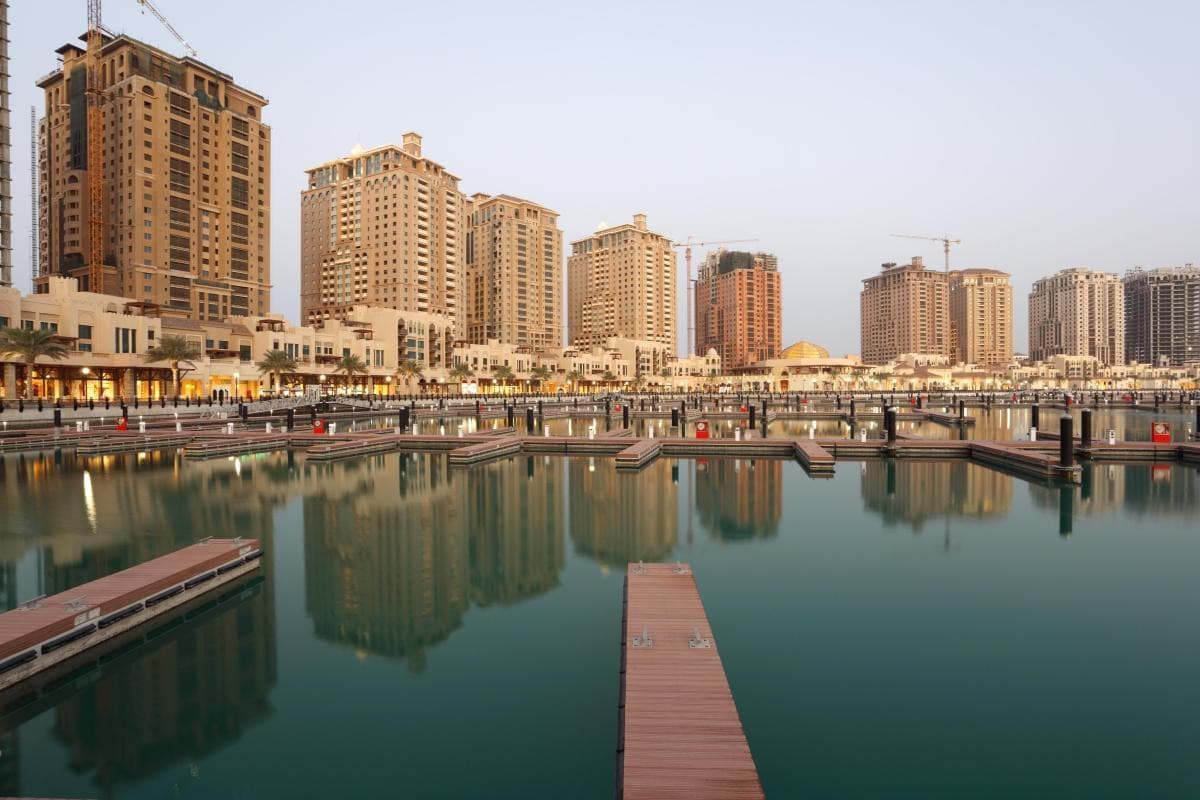
You arrive at The Pearl-Qatar as the light begins to soften, the city’s heat slipping away into a warm salt breeze that moves through narrow walkways and pastel facades. Yachts idle like patient animals in the marina, masts raking the sky; families stroll under string lights; a distant call to prayer folds gently into the hum of clinking glassware from open-air restaurants. It feels coastal and crafted, a human-scale Riviera carved from reclaimed sand and ambition. The island dares you to slow down — to walk its promenades, map its canals, and weigh the glossy luxury of its storefronts against the island’s engineered seam with the sea.
The Pearl-Qatar is an exercise in imaginative urbanism. Built on reclaimed land and launched in the early 2000s by private developers, the island deliberately reinterprets Mediterranean and European coastal motifs: Porto Arabia’s marina villas, the pastel canals of Qanat Quartier, and the crescent-shaped beaches that face the Persian Gulf. It’s an urban stage where architecture, leisure, and commerce play interchangeable parts. But beneath the boutiques and the polished terraces is a cultural thread that connects modern Qatar to an older story — a history of pearling, trade, and sea navigation that defined this coastline for centuries before oil.
Geologically, The Pearl is not a natural formation but a crafted shoreline that reshaped coastal hydrology and habitats. That engineering is visible in the way water moves through its marinas and canals: deliberate channels, boat basins, and man-made beaches that manage currents and shelter vessels. The result is a place that reads as both highly controlled and effortlessly photogenic — its engineered edges are part of the appeal.
Culture here is cosmopolitan. The Pearl attracts expats and locals alike, a mosaic of cafes serving north African tagines, Levantine grills, and high-end Mediterranean restaurants. It’s also a retail theatre: international designer boutiques sit beside local ateliers, and the promenade becomes a runway at sunset when weekend crowds arrive. Still, for all the gloss, there are quieter moments: a fisherman baiting a line at dawn, an early-morning jogger tracing the marina, couples slipping into a small café for Arabic coffee.
Why go? The Pearl is an easy, high-reward slice of Doha for travelers who want waterfront scenery without leaving the city. It’s one part seaside escape, one part retail therapy, and one part urban exploration. For photographers and writers, it offers architectural lines, dramatic reflections, and a human-scale rhythm that rewards a slow approach. For families or groups, the island’s restaurants, playgrounds, and calm water activities make a practical day out.
How to experience it: three practical routes will cover most appetites. First, the promenade circuit — start at Porto Arabia, walk through the marina, cross to the central piazza for a coffee, and follow the canals of Qanat Quartier. This 60–90 minute loop is flat and stroller-friendly. Second, a shopping-and-dining half-day that pairs boutique browsing with a waterfront lunch; book a table for sunset and watch the yachts shift into silhouettes. Third, pair The Pearl with a city tour or dhow cruise (many organized tours stop here) to stitch the island into a larger narrative of Doha’s modern development and its historic souqs.
Timing matters. The sun is intense in summer; late afternoon and evening are the most comfortable and visually dramatic times. Mornings bring quieter streets and better light for architecture; golden hour softens the stone facades and gilds the water. If you’re here during a layover, allow two to three hours for a focused visit.
Practicalities you should know: the island is easy to reach from central Doha (roughly a 15–25 minute drive from the Corniche, depending on traffic). Public transportation is limited; taxis and rideshares are the most reliable option. Dress is smart-casual; while The Pearl is liberal compared to older neighborhoods, visitors should respect Qatar’s conservative norms — keep shoulders and knees covered in public spaces outside restaurants. Bring cash for small vendors but know most shops and restaurants accept cards.
Sustainability and etiquette: The Pearl’s development changed local coastal habitats. Responsible visitors can minimize impact by avoiding feeding wildlife, carrying out trash, and choosing operators that follow marine-protection guidelines for boat trips. Local groups occasionally run clean-ups; consider checking schedules or supporting businesses with green certifications.
Bookable activities that fit the island: guided Doha city tours and private half-day shopping tours commonly include The Pearl as a highlight; dhow boat cruises and combined city-desert packages are popular ways to pair the island with the rest of Qatar’s landscape. For a focused day, a private city tour that includes The Pearl and Katara Cultural Village gives you context — history followed by a contemporary shoreline.
At the edge of the island the sea has personality: it tests anchorage, mirrors the skyline, and on a windy day will push a cool insistence underfoot. The Pearl-Qatar is not a wild place, but it’s a carefully curried one — an engineered coast that invites exploration, lingering, and a clearer understanding of a city negotiating tradition and modernity. If you come prepared — sun hat, comfy shoes, a camera, and curiosity — you’ll leave with a gallery of images and a sense of how the Gulf’s ancient maritime spirit has found a new, very intentional home.
Trail wisdom
Small choices, better day.
Walk the Marina Loop
Start at Porto Arabia and follow the marina promenade for the best mix of yachts, cafes, and people-watching—allow 60–90 minutes.
Time for Golden Hour
Plan your visit in late afternoon to catch cooler temperatures and the best light for reflections on the water.
Respect Local Dress Codes
Dress smart-casual and keep shoulders and knees covered in public spaces to respect cultural norms.
Book Dhow or Tour in Advance
If you want a sunset dhow cruise or a private city tour that includes The Pearl, reserve ahead—slots fill fast on weekends.
Local knowledge
Read the place, not just the route.
Watch for native species including terns and gulls that feed along the marina, occasional dolphins visible offshore on calm days.
Keep an eye out for wildlife during the transition between areas and habitats. Respect distance guidelines.
The construction altered coastal habitats, and local initiatives now promote responsible boating, beach clean-ups, and marine-protection practices to reduce impact on marine life.
Follow the guide's instructions on size limits, ethical handling, and leave-no-trace practices.
Qanat Quartier’s narrow canals and pastel bridges for intimate photos away from the main marina. Early-morning marina walkway near Porto Arabia for quiet views and local fishermen at work
Locally recommended viewpoints and quiet spots known best to local operators.
The Pearl-Qatar is a reclaimed island development that references Qatar’s pearling heritage and was developed in the 2000s as one of the country’s first large-scale mixed-use waterfront projects.
Maritime roots and regional tradition shape the waterways and working coasts.
Seasonal guide
Four versions of the same landscape.
Spring
Best forpleasant walks · outdoor dining · photography
Challengesoccasional wind · early heat spikes
Spring brings comfortable temperatures and good light for walks and photos; mornings and late afternoons are ideal.
Summer
Best forlate-night dining · air-conditioned shopping · evening cruises
Challengeshigh heat and humidity · limited daytime outdoor comfort
Summer is hot—save outdoor exploration for evenings and rely on indoor, air-conditioned venues during the day.
Fall
Best forsunset promenades · al fresco meals · events
Challengesintermittent humidity · busy weekends
Fall mirrors spring with cooling temperatures and lively social life; it’s one of the best times for evenings on the water.
Winter
Best forcool-weather strolls · family outings · dhow cruises
Challengeshigher visitor numbers · occasionally breezy conditions
Winter offers the most comfortable daytime weather and is perfect for long walks, dining outdoors, and boat activities.
Pack with intention
What to bring.
Good to know
Common questions.
A focused visit can be 1–2 hours; a relaxed half-day allows for shopping, a leisurely meal, and a canal-side walk.
Plan the edges
The details that make the day easier.
The Pearl-Qatar was created on reclaimed land and covers nearly four million square meters with several kilometers of waterfront—an engineered project designed to echo coastal Mediterranean towns while referencing Qatar’s pearling past.
Dine on fresh Gulf seafood and try Arabic coffee (gahwa) at a waterfront café; weekends come alive with families and musicians, and nearby Souq Waqif offers a more traditional contrast to the island’s modernity.
- Getting there
- 15–25 min by taxi from central Doha. Hours: public spaces accessible year-round; shops and restaurants follow standard retail hours. Payment: cards widely accepted. Accessibility: mostly flat and stroller-friendly.
Support operators with eco-friendly practices for boat trips, avoid single-use plastics, and respect protected areas; consider joining local beach clean-ups or patronizing businesses with sustainability commitments.
Explore by topic
Follow the threads.
Keep exploring
Make the story part of the trip.
Set out from Bass Harbor for a private, customizable day on Blue Hill Bay — lighthouses, puffins, seals, and the chance to feel Acadia from the water. Small groups, local captains, unforgettable views.
In four hours you can move from shaded canyon ferns to wind-scoured coastal ridgelines, guided by someone who knows where the light—and the hidden views—live. This private half-day hike on the Monterey Peninsula or Big Sur is compact, curated, and perfect for travelers who want depth without a multiday commitment.
 Related story
Beneath a sky of shifting light, Skaftafell’s ice reads like a map of time. This three-hour guided glacier hike mixes technical instruction with geology and culture: compact, safe, and unforgettable.