
What the day feels like
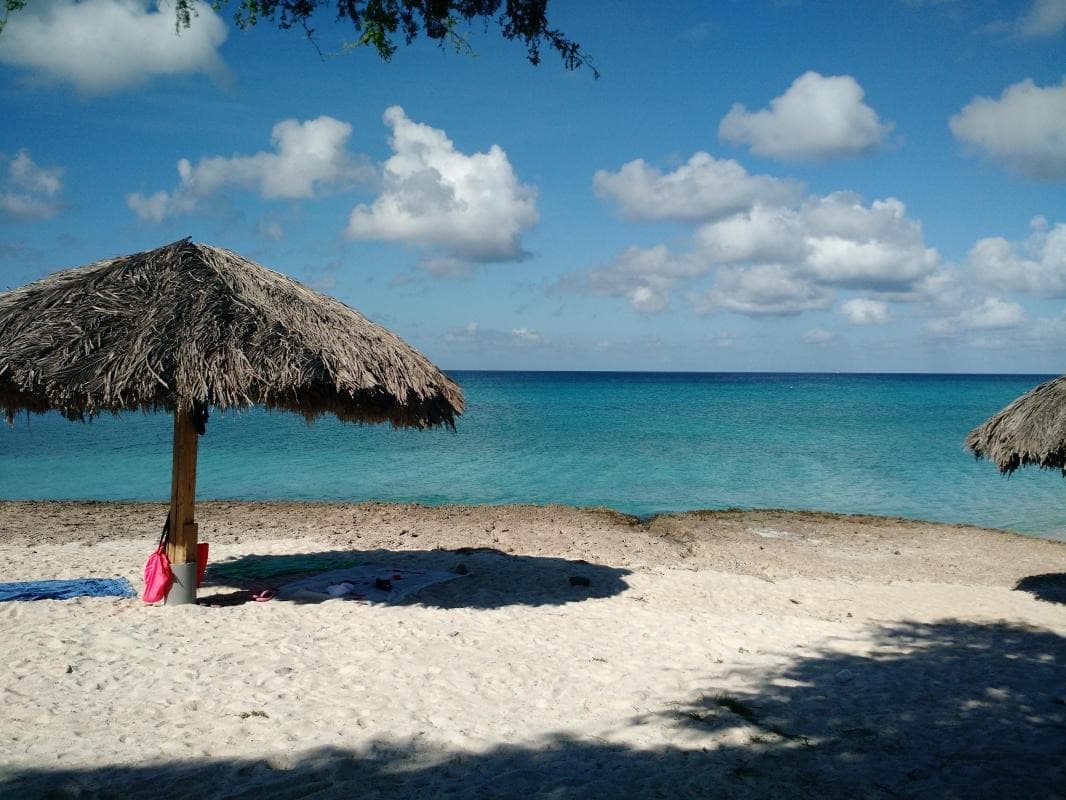
You arrive at Malmok Beach before the day crowds—just you, a soft Atlantic breeze, and the reef-line that chisels the horizon into a ribbon of darker blue. The sand underfoot is coarse with coral fragments, warm from the morning sun; the shallows are a salon of seagrass and rock, each tidepool a tiny aquarium. From the shoreline the water looks placid, but low, lipped waves whisper that the real spectacle waits a few strokes out: patches of living coral, schools of iridescent fish, and the slow, sure presence of sea turtles patrolling the weed beds.
Malmok is not flashy. It doesn’t have the broad sweep of Eagle Beach or the party scene of Palm Beach. It’s small and purpose-built for people who want proximity to the reef. That intimacy shapes the experience: here you don’t swim for the beach—you swim toward it. Boats glide offshore—private charters, half-day catamarans, and electric SEABOBs—each skimming the edge between leisure and diving curiosity. The area’s calm, shallow reefs make Malmok one of Aruba’s most reliable spots for snorkeling and for seeing marine life up close without a deep-water commitment.
Geologically, Aruba’s northwest coast is a postcard of Caribbean coastal processes. The reef terraces that fringe Malmok are a product of steady coral growth over ancient limestone shelves. The shallow sandy flats give way to patch reefs and coral heads, which break the ocean’s force and create the glassy inshore conditions snorkelers love. Contrast that with Aruba’s windward side—rockier and wilder—and you realize why Malmok became a magnet for both wildlife and the small fleet of operators who run private boat tours and reef-focused experiences.
Culturally, the beach sits near the island’s quieter northwestern edge, close to the California Lighthouse and the small communities of Noord. Local fishermen still launch from these beaches, and the turtle populations—green and hawksbill—have long been part of the local seascape. Tourism here has grown around respectful access: operators emphasize reef preservation, guided snorkeling etiquette, and small-group itineraries that keep pressure off the coral.
How to experience Malmok well: start with a morning snorkel when the water is clearest and winds are light. Private boat tours are the most flexible option—book a half-day luxury catamaran or private boat to reach the best reef patches and shipwreck sites accessible only by sea. For a different angle, take a SEABOB reef tour; these water-scooters let you cover more ground with less effort, so you can sample multiple coral gardens across the bay. If you prefer to stay on land, a short e-bike or electric scooter ride along the coastal road to the nearby California Lighthouse gives you a panoramic context for the reef below.
There’s a practical edge to all of this. The reefs are shallow—often between 2 and 10 feet—so mask fit and a low-profile snorkel matter more than apnea skills. Wear reef-safe sunscreen, and maintain neutral buoyancy to avoid inadvertent contact with living coral. Tides at Malmok are modest, but a brisk trade wind can push a current along the reef line; plan your swim with the shore in sight and an eye on the horizon. For anglers, private boat charters offer bottom fishing in nearby deeper water, where snapper and grouper are commonly targeted—ask your skipper about local rules and best practices.
Operators on site offer a range of experiences that fit different styles. A private catamaran half-day delivers a polished, social outing—mimosas, charcuterie, and floating hammocks—followed by snorkeling at Malmok or nearby Tres Trapi. Private luxury boats run customized itineraries that combine snorkel stops with shallow-water fishing or visits to small wrecks. The SEABOB tour takes the technical work out of the swim, letting you glide across the reef like a fish and linger where the turtles graze. On land, a coastal e-bike or electric scooter ride from Palm Beach to the California Lighthouse strings together vistas and photo stops, a neat complement to a morning on the reef.
For planning: come light and prepared. A quality mask and snorkel, a thin rashguard or wetskin for sun and abrasion protection, reef-safe sunscreen, and water shoes will make your time far more comfortable. If you’re booking a boat, ask whether gear is included (masks, snorkels, fins) and whether the skipper provides a quick reef briefing—operators who do are often better oriented to marine life hotspots and sensitive areas.
If you want to avoid the crowds, book an early slot or a late afternoon snorkel; many private charters will tailor times to your preference. And if you’re interested in photography, plan for the golden hour: the low, soft light on the northwest coast tints the water and the lighthouse in a way that daylit overhead sun never does.
Malmok’s appeal is direct and honest. It doesn’t promise the most secluded stretch of sand or the deepest dive; it promises proximity to the reef, reliable marine life sightings, and a set of experiences—boat, SEABOB, e-bike—that are especially suited to the small-scale, discoverable charm of Aruba’s northwest shore. For travelers who prefer a measured, active beach day—snorkeling with turtles in the morning, a chilled catamaran lunch, and a coastal ride to the lighthouse at sunset—Malmok is a compact, high-value base for a day that feels like a tasteful arranged conversation between the sea and you.
Trail wisdom
Small choices, better day.
Go at dawn for calm water
Morning glassy conditions mean clearer snorkeling and better turtle sightings before trade winds pick up.
Bring a low-volume mask
Shallow reefs require frequent looks; a well-fitting mask reduces fogging and lets you focus on marine life.
Choose reef-safe sunscreen
Protect coral by using mineral-based sunscreen and reapplying on the boat rather than in the water.
Book a small private charter
Small boats or semi-private SEABOB tours avoid crowded reefs and offer flexible, wildlife-focused stops.
Local knowledge
Read the place, not just the route.
Watch for native species including Green sea turtle, Parrotfish.
Keep an eye out for wildlife during the transition between areas and habitats. Respect distance guidelines.
Local operators emphasize reef-safe practices—many require mineral sunscreen and brief guest briefings to minimize contact with coral; support guides who contribute to reef-cleaning initiatives.
Follow the guide's instructions on size limits, ethical handling, and leave-no-trace practices.
Small coastal caves near the California Lighthouse for sunset photos. The nearby Tres Trapi reef for varied coral formations
Locally recommended viewpoints and quiet spots known best to local operators.
Malmok lies near the California Lighthouse and has long been a spot for local fishermen; the northwest coastline has been shaped by reef growth over ancient limestone terraces.
Maritime roots and regional tradition shape the waterways and working coasts.
Seasonal guide
Four versions of the same landscape.
Spring
Best forCalmer seas · Clear snorkeling visibility · Turtle activity
ChallengesOccasional trade winds · Higher visitor traffic around spring holidays
Spring brings stable water clarity and active turtle sightings; plan for morning sessions to avoid afternoon winds.
Summer
Best forWarmer water · Longer days for boating · SEABOB tours
ChallengesStronger sun exposure · Occasional short showers
Summer is excellent for extended boat trips and SEABOB runs—pack sun protection and stay hydrated.
Fall
Best forQuieter beaches · Good deals on charters · Clear visibility between storms
ChallengesHurricane season in the basin can bring rougher seas occasionally
Fall is quieter and often cheaper; check weather windows and choose morning outings for best conditions.
Winter
Best forBest overall visibility · Peak marine life viewing · Comfortable temps
ChallengesPeak tourist season and higher charter prices · Brisk trade winds some days
Winter offers superb snorkeling clarity and consistent marine activity—book early and consider private tours to avoid crowds.
Pack with intention
What to bring.
Good to know
Common questions.
Yes—there are accessible shallow reef patches reachable from the shore, but many best sites are easiest to reach by short boat ride.
Plan the edges
The details that make the day easier.
Malmok’s shallow reefs are regular feeding grounds for green and hawksbill sea turtles—Aruban conservation groups monitor nesting and foraging habitats along the northwest coast.
Nearby Noord and Palm Beach serve up fresh seafood, local pastechi snacks, and relaxed beach bars—try a roadside fisherman’s catch or a small beach grill after your snorkel to taste Aruba’s coastal flavors.
- Where
- Northwest coast, near California Lighthouse. Best time: Morning. Book: Private catamaran, SEABOB, or semi-private e-bike. Duration: Half-day options common. Accessibility: Easy shore access; boats useful for best reef sites.
Choose operators who use reef-safe practices, avoid touching or standing on coral, and use mooring buoys instead of anchors where possible; support local reef-cleaning efforts or donation programs.
Explore by topic
Follow the threads.
Keep exploring
Make the story part of the trip.
Set out from Bass Harbor for a private, customizable day on Blue Hill Bay — lighthouses, puffins, seals, and the chance to feel Acadia from the water. Small groups, local captains, unforgettable views.
In four hours you can move from shaded canyon ferns to wind-scoured coastal ridgelines, guided by someone who knows where the light—and the hidden views—live. This private half-day hike on the Monterey Peninsula or Big Sur is compact, curated, and perfect for travelers who want depth without a multiday commitment.
 Related story
Beneath a sky of shifting light, Skaftafell’s ice reads like a map of time. This three-hour guided glacier hike mixes technical instruction with geology and culture: compact, safe, and unforgettable.