
What the day feels like
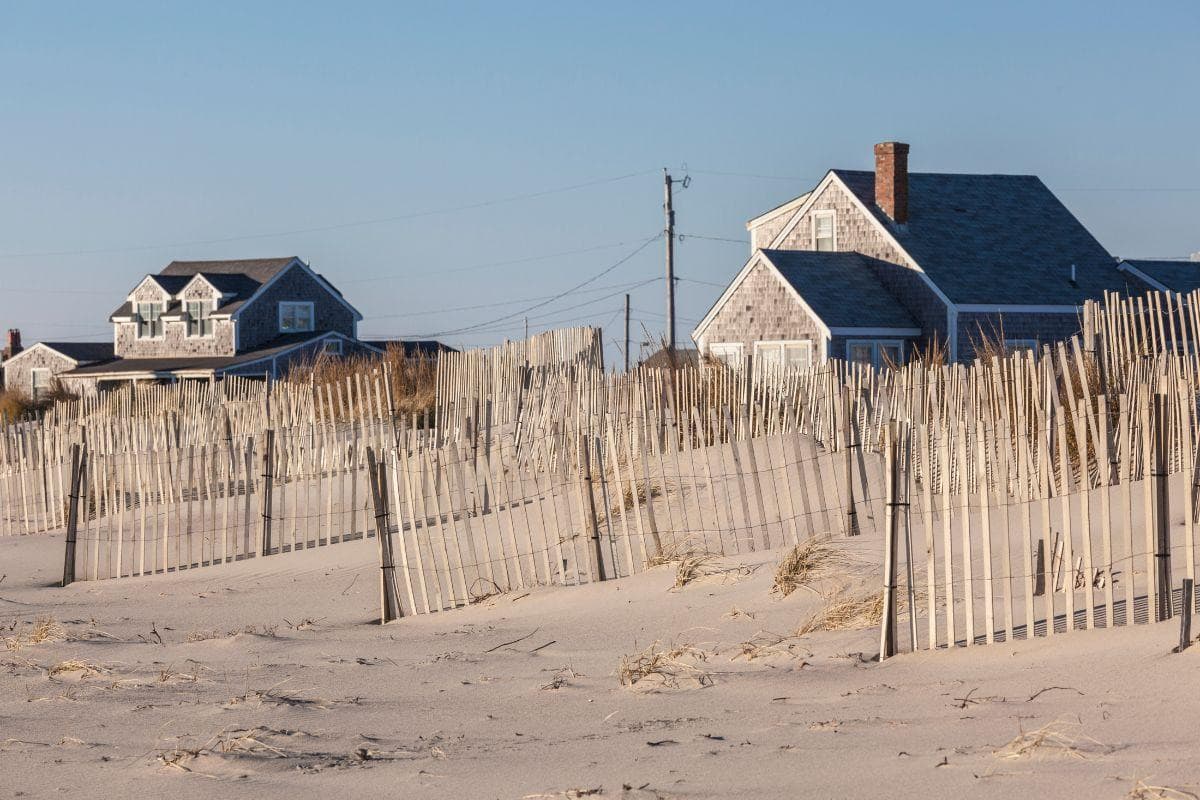
If you stand at the western lip of Nantucket as the sun begins to tip toward the horizon, Madaket Beach will do two things: it will make you breathe slower and it will demand that you pay attention. The sand here slopes long and low, a ribbon of pale shore curving from the harbor past dune grasses and low, wind-scoured ridges. The Atlantic stretches wide and open; waves arrive in a steady, approachable rhythm that asks for a surfboard as readily as it invites an evening walk. People come here for the same reason fishermen and photographers have for generations — the light is clear, the water is honest, and the wind keeps you alive to the elements.
Madaket sits roughly 6–7 miles (10–12 km) west of Nantucket town, at the island’s far edge where the coastline loosens into tidal flats and a harbor that breathes with the day's tides. Unlike the manicured bustle of downtown, Madaket reserves its space for low-key pleasures: surf sessions in modest swells, families building intricate sandcastles, anglers casting into troughs, and birders keeping a practiced, patient stillness as migratory shorebirds work the flats. The beach stretches about 1.5 miles of open sand interspersed with dune hummocks and occasional rocky outcrops, giving visitors a variety of micro-environments to explore in a single visit.
Geologically, Nantucket is the remnant of a terminal moraine left by retreating ice sheets, and Madaket's landscape reflects that glacial past in its hummocks, gravelly pockets, and the shallow, shifting bars just off shore. Those bars are part of why the surf is so consistent: sandbars shape small, rideable waves that are forgiving for beginners but still fun for experienced surfers wanting fast, punchy rides. The tidal flats and harbor are also biologically productive, making Madaket a seasonal magnet for migrating birds and migrating seals in colder months.
The island’s cultural history threads through Madaket quietly. Nantucket’s 19th-century whaling era left the island wealthy and architecturally distinctive; whalemen and fishermen shaped communities along the shore. Madaket has long been where working-class islanders and visiting summer residents meet the sea on equal footing — a place of practical maritime knowledge that still hums in the cadence of boat launches and the shorthand of weather forecasts exchanged on the dunes.
For an adventure traveler, Madaket is a blend of accessible activity and elemental exposure. The surf is ideal for shortboard and longboard sessions when the swell is modest; beginners find plenty of forgiving whitewater, while more skilled surfers can find punchier rides over shifting sandbars. Kayakers and SUP paddlers favor the harbor and the calmer coves when the wind is down — and when it’s not, the wind itself becomes an invitation for kite surfers and windsurfers to test their skills. Anglers come for the early morning stripers and the occasional false albacore in season, while photographers come to compress land, sea, and sky into glassy, cinematic frames at dusk.
Practical guide: reach Madaket from downtown Nantucket via Madaket Road; allow a 20–30 minute drive in summer traffic, or opt for a bike ride (12–18 miles round trip, depending on your route and ferry arrival point). Parking is limited during peak season; aim for early morning sessions or a late-afternoon sunset to avoid the crowding and to catch the best light. The shore is mostly exposed sand with intermittent dune grass; sturdy, water-friendly footwear will get you through spongy patches near the flats. Note that facilities are minimal — pack water, sunscreen, and a wind layer. Tides run a strong pattern here; check tide charts before paddling or beachcombing. Rip currents can and do occur; if you're unsure about conditions, talk to a local surf shop or arrange a guided lesson.
Timing makes the trip: late summer and early fall offer the warmest water and smaller crowds, while spring brings migrating shorebirds and the chance of seeing seals hauled out on sandbars. Sunrise and sunset are distinct experiences — the dawn is quiet and reflective, the dusk is loud with wind and light and locals who stay to watch the sky change.
Whether you want to surf a new break, watch piping plovers forage at the dune edge, or simply sit with a thermos and watch the tide invert the sand patterns, Madaket rewards a low-key, attentive approach. Bring patience; the island operates at the pace of weather and tide. Respect the protected nesting areas, take the trash with you, and leave the shells for the next visitor. Do that, and Madaket will keep returning its particular kind of calm — a west-facing shore that asks you to slow down and feel the Atlantic moving through you.
Trail wisdom
Small choices, better day.
Time your visit around tides
Low tide exposes tidal flats and shelling areas; high tide brings better paddle conditions and stronger surf—check local tide charts before you go.
Arrive early or stay late
Parking is limited in summer—plan dawn surf sessions or dusk to avoid crowds and catch the best light.
Respect nesting zones
Piping plovers and other shorebirds nest here; keep dogs leashed and avoid roped-off dune areas to protect habitats.
Prepare for wind
Layers and windproof shells are useful even in summer—the ocean breeze can be sharp as soon as the sun dips.
Local knowledge
Read the place, not just the route.
Watch for native species including Harbor seals, Migratory shorebirds (including piping plovers).
Keep an eye out for wildlife during the transition between areas and habitats. Respect distance guidelines.
Beach-nesting birds are protected here—obey posted closures and keep dogs leashed; minimizing disturbance helps fragile shorebird populations recover.
Follow the guide's instructions on size limits, ethical handling, and leave-no-trace practices.
Tidal flats around Madaket Harbor for unique shelling and exposed patterns at low tide. West-end sandspits where seals sometimes haul out at low tide—best viewed from a distance
Locally recommended viewpoints and quiet spots known best to local operators.
Nantucket was a global whaling hub in the 19th century; Madaket has long been a working shore where fishing and small-boat culture persist.
Maritime roots and regional tradition shape the waterways and working coasts.
Seasonal guide
Four versions of the same landscape.
Spring
Best forbirdwatching · quiet walks · seal sightings
Challengescooler water temperatures · unpredictable weather
Spring brings migrating shorebirds and increasing seal activity; expect cool air and variable weather—pack layers.
Summer
Best forsurfing and swimming · sunset gatherings · paddleboarding
Challengescrowds and limited parking · strong sun and UV exposure
Warmest water and longest days make summer ideal for water play—arrive early to beat crowds and bring sun protection.
Fall
Best forsurf sessions · photography · calmer crowds
Challengescooling temperatures · shorter daylight hours
Late summer into fall offers clean swell, fewer people, and crisp light—an excellent time for surfers and photographers.
Winter
Best forstorm-watching · solitude · off-season birding
Challengescold winds, limited services, rough seas
Winter is quiet and raw—good for rugged beach walks and stormy-sky photography, but come prepared for wind and cold.
Pack with intention
What to bring.
Good to know
Common questions.
Madaket is about a 20–30 minute drive west on Madaket Road; many visitors bike or drive—allow extra time for summer traffic and limited parking.
Plan the edges
The details that make the day easier.
Nantucket was the world’s dominant whaling port in the early 19th century, and the island’s maritime legacy still shapes communities like Madaket.
Madaket’s community blends seasonal visitors with lifelong islanders: expect practical, unpretentious hospitality, locally sourced seafood in town, and a slower pace that values the sea’s rhythms.
- Get there
- Ferry or seasonal flights to Nantucket → 20–30 min drive to Madaket; Parking: limited in summer; Facilities: minimal; Safety: watch tides and rip currents; Best time: early morning surf or sunset.
Stay on designated pathways, keep dogs leashed during nesting season, pack out all trash, and avoid removing shells or disturbing wildlife to protect fragile coastal ecosystems.
Explore by topic
Follow the threads.
Keep exploring
Make the story part of the trip.
Set out from Bass Harbor for a private, customizable day on Blue Hill Bay — lighthouses, puffins, seals, and the chance to feel Acadia from the water. Small groups, local captains, unforgettable views.
In four hours you can move from shaded canyon ferns to wind-scoured coastal ridgelines, guided by someone who knows where the light—and the hidden views—live. This private half-day hike on the Monterey Peninsula or Big Sur is compact, curated, and perfect for travelers who want depth without a multiday commitment.
 Related story
Beneath a sky of shifting light, Skaftafell’s ice reads like a map of time. This three-hour guided glacier hike mixes technical instruction with geology and culture: compact, safe, and unforgettable.