
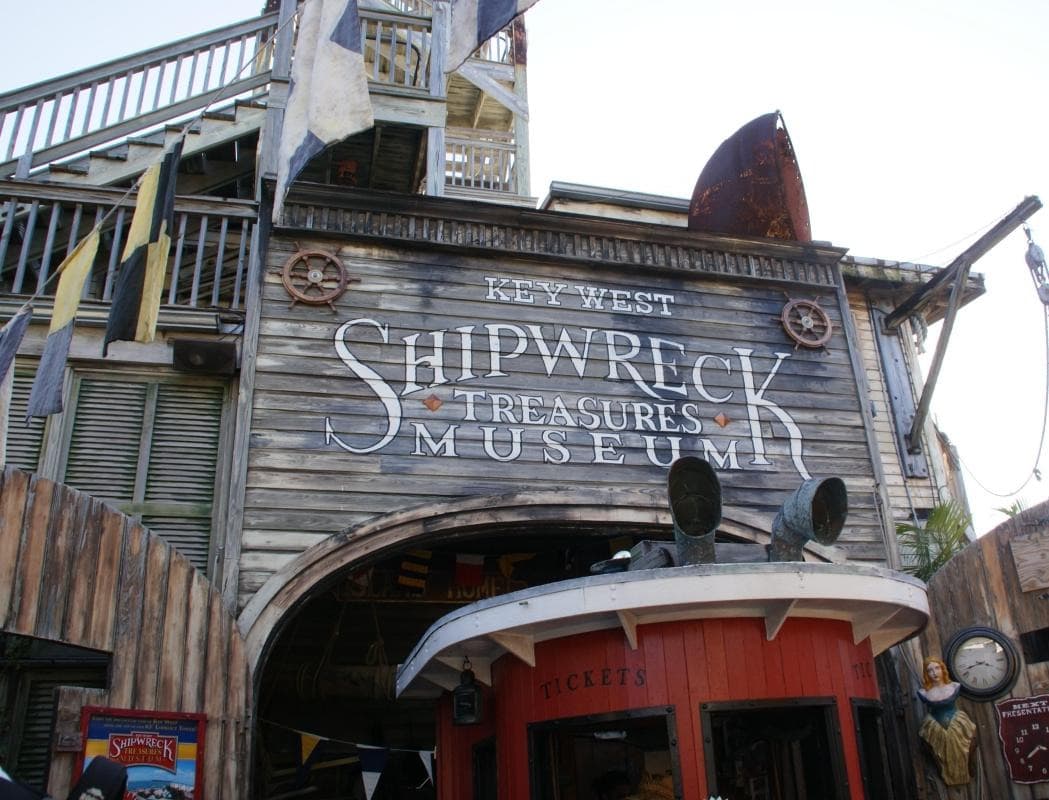
What the day feels like
The stairwell breathes history. As you climb past wooden beams worn by countless visitors, the harbor widens and sunlight slants through louvers, turning salt spray into glitter. From the 65-foot lookout tower of the Key West Shipwreck Treasure Museum, the Atlantic and the bustle of Old Town fold into one luminous panorama—swaying masts, the low curve of the island, and the gulls that treat the harbor like a highway. Downstairs, the museum’s rooms feel grounded and tactile: coiled ropes, iron anchors, a salvager’s locker, and the hush of relics that once rode the deep.
The museum is not just a collection of objects; it’s the narrative spine of Key West’s most consequential industry. In the 19th century, wrecking—salvaging stranded ships from the coral-strewn shoals—was law, craft and commerce. Salvagers were both heroes and opportunists, their fortunes made on the generosity and cruelty of the sea. Key West’s boom years were built on such finds; at one point the town boasted a higher per-capita income than many American cities because of wrecking. The Shipwreck Treasure Museum translates that story into a compact, vivid experience: interactive exhibits, costumed interpreters, original artifacts and an authentic lookout that still plays the old role of watching the horizon for distress.
Geology and human hubris sit side by side here. The Florida Reef Tract—North America’s only living coral barrier reef—creates the shoals and channels that made wrecks both likely and lucrative. The museum shows how ships, wind and coral conspired against captains: shallow shoals hidden beneath a deceptively calm blue, currents that push and grind. You’ll see fragments of galleons and 19th-century merchant ships; cannon balls and anchors that still carry the salt of decades. It’s a maritime classroom, but one told as theater. Actors enact rescues and negotiations, turning legal codes and salvage lore into something immediate. That theatricality makes the museum ideal for all kinds of travelers: history buffs, families, and anyone who wants a quick, dense primer on why Key West grew from a sleepy island to a global shipping node.
The museum’s place in town makes it an excellent base for a day of exploration. Start here—an hour to ninety minutes is usually enough—and then step into the surrounding streets. The Conch Tour Train is a short ride away and pairs well with museum admission for a broad historic sweep of the island. If you want local color, the Southernmost Key West walking tour moves at a human pace: Cuban sandal shops, lime-washed conch houses, and the Southernmost Point buoy are all minutes away. When the sun leans toward evening, the island’s spookier side comes alive with the Ghosts and Gravestones trolley, which threads darker narratives through alleys and under lamplight. For multilingual travellers or those who prefer a private pace, the small “Key West Private Tour in French” option offers a compact, curated look at the island’s culture.
Practicalities are straightforward. The museum sits within Old Town, a flat, walkable grid of shaded lanes and colorful storefronts—so comfortable shoes and sunscreen are more important than technical gear. Expect plenty of steps if you climb the lookout; the views reward the short effort. The site is best experienced in dry, pleasant weather; humidity and afternoon showers in summer are typical, so plan early-morning visits for cooler air and softer light.
A visit here is also a lesson in stewardship. The artifacts are finite, the reef is fragile, and the same waters that made Key West rich now face pressure from tourism and climate stress. The museum’s displays implicitly encourage respect: don’t touch artifacts, choose reef-safe sunscreen before a swim, and consider local guided tours that keep earnings on island and minimize environmental impact.
For planning: allow 1–2 hours for the museum proper, add another 1–3 hours if you pair with the Conch Tour Train or a walking tour. Combine the museum in a single-day loop with lunch at a nearby seafood shack and an afternoon kayak or a harbor stroll. Evening ghost trolleys run seasonally and sell out on holiday weekends, so book ahead. For families, the interactive elements and lookout tower keep kids engaged; for history seekers, the salvaging legalities and authentic finds provide unexpectedly deep material.
This museum is a lesson you can touch: the grit of a salvager’s palm, the weight of an anchor link, the creak of an old timber lifted from the deep. It is part spectacle and part archive, and it’s best experienced as an entry point to the island’s stories—economic, maritime and social. When you walk back into the sun, the harbor will still be there, daring you to read it differently: as a strip of commerce that made fortunes and a living coastline that asks for careful travel in return.
Why go: because it compresses decades of island history into a single, accessible place; because you can climb a lookout that once helped save lives; because the museum sits at the practical center of walking tours, trains and night trolleys that let you shape the rest of the day. It’s not a hike or a plunge, but it’s an adventure of a different sort—a dense, story-driven stop that equips you with context and curiosity for everything else you’ll do on Key West.
Trail wisdom
Small choices, better day.
Climb the lookout early
The tower offers the best light and cooler breezes in the morning—expect stairs and bring a bottle of water.
Buy a combo ticket
Pair museum admission with the Conch Tour Train or a walking tour to save time and get broader context.
Use reef-safe sunscreen
If you plan on swimming or snorkeling later, choose reef-safe formulas to protect coral ecosystems.
Bring a compact daypack
A small pack for water, sunscreen and a light layer keeps hands free for photos and climbing.
Local knowledge
Read the place, not just the route.
Watch for native species including bottlenose dolphins, brown pelicans.
Keep an eye out for wildlife during the transition between areas and habitats. Respect distance guidelines.
The museum encourages reef-safe practices and supports local interpretation; visitors are urged to avoid touching coral and to choose sustainable tour operators.
Follow the guide's instructions on size limits, ethical handling, and leave-no-trace practices.
Sails to Rails Museum (often included with the Conch Tour Train). Quiet alleys off Greene and Simonton Streets with local art galleries and coffee shops
Locally recommended viewpoints and quiet spots known best to local operators.
Key West’s wrecking industry in the 1800s made the town one of the wealthiest per capita in the United States, thanks to salvage rights and maritime trade.
Maritime roots and regional tradition shape the waterways and working coasts.
Seasonal guide
Four versions of the same landscape.
Spring
Best formilder temperatures · walking tours · photography at golden hour
Challengescrowds during spring break · higher hotel rates
Spring offers warm, comfortable days and excellent light—ideal for walking the museum and the island’s streets.
Summer
Best formarine activities · long daylight hours
Challengeshigh heat and humidity · frequent afternoon thunderstorms
Summer brings hot afternoons and short storms; plan indoor activities like the museum for midday and beach time in the morning.
Fall
Best forfewer crowds · off-season rates
Challengeshurricane season risk · variable weather
Fall sees thinning crowds and better deals, but keep an eye on tropical weather forecasts and flexible bookings.
Winter
Best fordry, sunny weather · peak birdwatching and festivals
Challengeshigher visitor numbers · advance bookings required
Winter is dry and pleasant—perfect for exploring the museum and island tours, but book tours and lodging early.
Pack with intention
What to bring.
Good to know
Common questions.
Most visitors spend 60–90 minutes in the museum; combine with a short train ride or walking tour to make a half-day.
Plan the edges
The details that make the day easier.
In the 19th century Key West’s wrecking industry made it one of the wealthiest cities per capita in the United States, thanks to salvage claims and maritime commerce.
Key West cuisine blends Cuban, Caribbean and American flavors—look for conch fritters, Cuban coffee, and fresh seafood. Evening sunset celebrations at Mallory Square and live music on Duval Street are essential island rituals.
- Location
- Old Town Key West (near Whitehead St). Time: 60–90 minutes. Best combine with: Conch Tour Train or walking tour. Accessibility: lookout via stairs; facility is generally family-friendly.
Choose reef-safe sunscreen, support local guides and museums, and avoid touching or removing any natural or cultural artifacts to preserve Key West’s maritime heritage.
Explore by topic
Follow the threads.
Keep exploring
Make the story part of the trip.
Set out from Bass Harbor for a private, customizable day on Blue Hill Bay — lighthouses, puffins, seals, and the chance to feel Acadia from the water. Small groups, local captains, unforgettable views.
In four hours you can move from shaded canyon ferns to wind-scoured coastal ridgelines, guided by someone who knows where the light—and the hidden views—live. This private half-day hike on the Monterey Peninsula or Big Sur is compact, curated, and perfect for travelers who want depth without a multiday commitment.
 Related story
Beneath a sky of shifting light, Skaftafell’s ice reads like a map of time. This three-hour guided glacier hike mixes technical instruction with geology and culture: compact, safe, and unforgettable.