
What the day feels like
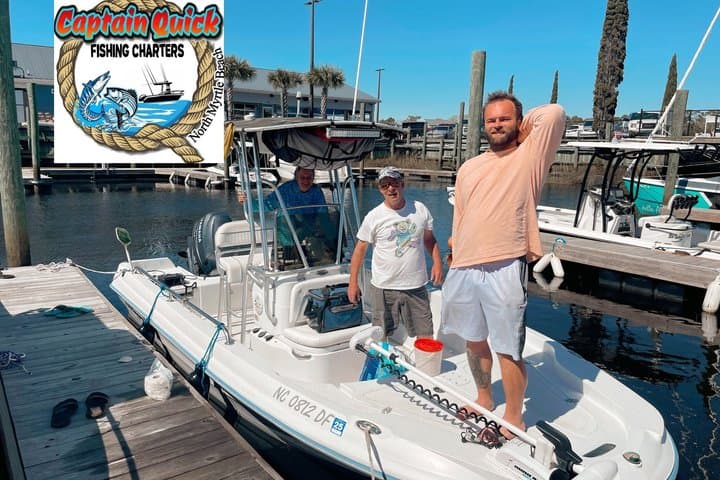
The first light over the Grand Strand is thin and electric, a pale promise that lives in the space between tide and horizon. Onboard Captain Quick’s charter, the engine hums like a patient animal, the boat cutting a path through water that alternately mirrors and dares the sky. Children press their faces to the rail; the current nudges the hull forward with a steady insistence. Within minutes the shore shrinks to a sliver, and the everyday world—traffic, packed boardwalks, the clamor of coconut shacks—slips away. Here, the sea gets the first word.
Myrtle Beach sits on a long sweep of Atlantic sand known as the Grand Strand—more than 60 miles of coastline shaped by the meeting of shoals, inlets, and the slow, relentless churn of the Gulf Stream. That dynamic coastline is what makes this corner of South Carolina a reliable stage for both inshore teasing and offshore punch: shallow bays and estuaries that birth speckled trout, red drum, and flounder; deeper channels and reefs where king mackerel and cobia stage their shows. A morning on a charter like Captain Quick’s is as much a lesson in local geology and currents as it is a quest for the next bite.
There’s a cultural logic to fishing here. For generations, families have made a living and a life from these waters; today, charters translate that knowledge into a hands-on experience for visitors. Captain Quick, a licensed and insured guide who bills the trips as family-friendly, blends patient instruction with an appetite for results. He brings rods, tackle, and a few dozen small comforts—what you don’t have to bring is the gear. What you should bring is curiosity and a cooler. Booking a private trip (about 3.5 hours, per the charter) sets you up for a compact trip that fits a morning, an afternoon, or a half-day between other Grand Strand plans.
The practical differences between inshore and offshore tactics are plain on deck: inshore trips hug the curving coastline, threading channels and marsh mouths where fish gather to feed; offshore trips head for structure—reefs, wrecks, and drop-offs—where predators hunt. Captain Quick’s approach is hands-on and family-centered. Expect to learn to cast, bait hooks, and handle a fish, all while the captain explains how tide, wind, and the underwater terrain influence where the fish are lying. For anglers with targets in mind, seasons matter: spring and fall are prolific for migrating species; summer brings spearfish and Spanish mackerel closer to shore.
Beyond the catch, the sensory payoff is immediate. Sea spray writes a temporary gloss on your sunglasses, gulls thread the air like punctuation marks, and the water’s temperature and color shift as you move away from the shore’s pale shelf into deeper blue. The ocean behaves like a living map—currents as contour lines, temperature breaks as hints to the life beneath. That is both the romance and the rigour of sportfishing: a relationship of attention and response.
If you’re planning a trip, start with timing and comfort. A 3.5-hour charter is long enough to get you into productive water without flattening the day. Bring layered clothing (it can be cool on the water early), sun protection, motion-sickness preventative if you’re prone, and a camera or phone with a dry bag—because the triumphant, salt-splashed selfie after a first catch is a defining moment. Captain Quick supplies rods and tackle, which keeps logistics simple for families and casual anglers; pack a cooler if you want the captain to fillet and bag your catch on return.
Booking-wise, the price point (from about $319.99) reflects a private, guided experience with gear included. The captain’s emphasis on family-friendly instruction means even first-timers will come away competent and excited. For anglers who want to tip the odds further in their favor, ask about tide windows and species timing when you reserve your spot—your captain will recommend the best day and time for your targets. And if conservation matters to you, ask how the captain handles catch-and-release and fish handling: reputable charters in Myrtle Beach are increasingly intentional about minimizing harm and following local regulations.
The region’s history and the practical knits of coastal life are part of the trip. Local seafood markets and dockside stalls still echo the rhythms of shrimp seasons and inshore nets; the charter experience is one way to connect to that tradition in a responsible, low-impact way. For families, the trip becomes a story—a child’s first flopping red drum, the measured calm of a guided cast, the collective laugh when a bigger-than-expected fish runs the line. For anglers, it’s a focused day fine-tuning technique against a living, moving backdrop.
If you want to extend the day, the shore returns with its own pleasures: beer on a pier, a plate of fresh-caught flounder, a sunset that spreads peach and gunmetal across the ocean. Book smart—look for private, insured captains with strong reviews, confirm what they provide, and go early to catch slick water and active feeding lanes. Then stand ready: the ocean will steer the narrative, but for a few hours, the line you cast will decide the plot.
Trail wisdom
Small choices, better day.
Bring a small cooler
Captain Quick provides tackle and rods but not coolers—bring one if you want your catch filleted and packed to take home.
Time your trip with the tide
Ask the captain for the best tide window for your target species—fishing improves around moving water and incoming tides.
Protect your skin
Sun reflects intensely off the water—use broad-spectrum sunscreen, a hat, and polarized sunglasses.
Pack motion-sickness remedies
Even in protected inshore waters, the swell can unsettle some; bring meds or pressure bands if you’re prone to seasickness.
Local knowledge
Read the place, not just the route.
Watch for native species including Brown pelican, Bottlenose dolphin.
Keep an eye out for wildlife during the transition between areas and habitats. Respect distance guidelines.
Local charters follow South Carolina fishing regulations and many practice selective catch-and-release to protect breeding stocks; avoid over-chumming and respect size limits.
Follow the guide's instructions on size limits, ethical handling, and leave-no-trace practices.
Hunt’s Pier for a quick post-trip boardwalk stroll. Local dock markets near the marina for fresh, locally-sourced seafood
Locally recommended viewpoints and quiet spots known best to local operators.
The Grand Strand developed in the late 19th and early 20th centuries with commercial fishing and tourism intertwined; today recreational charters continue that maritime tradition.
Maritime roots and regional tradition shape the waterways and working coasts.
Seasonal guide
Four versions of the same landscape.
Spring
Best forMigratory fish runs · Comfortable temperatures · Family outings
ChallengesUnpredictable weather fronts · Early-season cool water patches
Spring brings migratory species and active inshore fishing—expect comfortable air temps but variable sea conditions as fronts pass.
Summer
Best forWarm-water species · Long daylight hours · Late-afternoon trips
ChallengesHigher humidity · Bigger afternoon thunderstorms · Stronger sun exposure
Summer offers steady warm-water action and long days; plan around afternoon storms and prioritize sun protection.
Fall
Best forTopwater action · Kingfish and cobia · Calmer seas
ChallengesShortening daylight · Busy holiday weekends
Fall is a prime season for both inshore and offshore targets as migrating predators feed ahead of cooler months—generally calm and productive.
Winter
Best forQuiet marinas · Targeted species like sea trout · Lower crowds
ChallengesCooler water and air · Limited nearshore species diversity
Winter charters are quieter and can be rewarding for dedicated anglers comfortable with cooler conditions and targeted outings.
Operator details
What the booking data adds.
Included
- ✓Life jackets
- ✓Trolling motor
- ✓Fish Finder
- ✓All rods, reels, bait, tackle, fishing liscenses, and fish cleaning are fully included
Not included
- —Alcoholic Beverages
- —Snacks
- —Soda/Pop
- —Personal Cooler
Good to know
- ✓Service animals allowed
- ✓Public transportation options are available nearby
- ✓Infants are required to sit on an adult’s lap
- ✓Suitable for all physical fitness levels
Pack with intention
What to bring.
Good to know
Common questions.
Charter operations typically cover license requirements for their guests—confirm with your captain when booking, but most private charters include licensing in the price.
Plan the edges
The details that make the day easier.
The Grand Strand is a continuous stretch of beach more than 60 miles long, making Myrtle Beach one of the most extensive coastal tourism corridors on the East Coast.
After the trip, head to local favorites like Sea Captain’s House for fresh fillets or a dockside fish market for to-go seafood; grab a local craft beer at a surf-themed brewery and watch the light fade over the pier.
- Closest airport
- Myrtle Beach International Airport (MYR) — ~10–20 minutes from many marinas; Driving distance from central Myrtle Beach: 10–25 minutes depending on marina; Cell service: good near shore, variable offshore; Permits: charter usually covers required licenses—verify when booking.
This area’s fisheries are managed by state regulations—ask your captain about catch limits and handling practices, avoid single-use plastics, and pack out trash to protect estuaries and shoreline habitats.
Explore by topic
Follow the threads.
Keep exploring
Make the story part of the trip.
Set out from Bass Harbor for a private, customizable day on Blue Hill Bay — lighthouses, puffins, seals, and the chance to feel Acadia from the water. Small groups, local captains, unforgettable views.
In four hours you can move from shaded canyon ferns to wind-scoured coastal ridgelines, guided by someone who knows where the light—and the hidden views—live. This private half-day hike on the Monterey Peninsula or Big Sur is compact, curated, and perfect for travelers who want depth without a multiday commitment.
 Related story
Beneath a sky of shifting light, Skaftafell’s ice reads like a map of time. This three-hour guided glacier hike mixes technical instruction with geology and culture: compact, safe, and unforgettable.