
What the day feels like
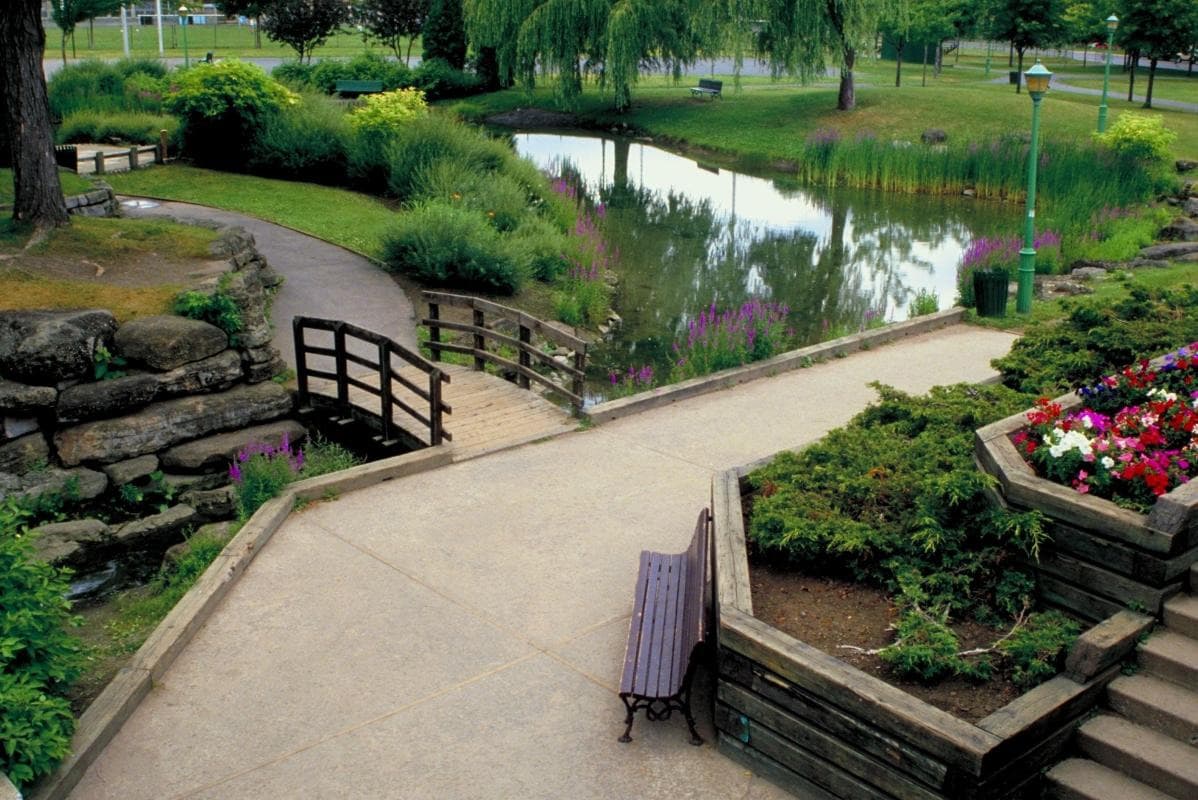
You emerge from the hum of the Metro and suddenly the city exhales: plane trees arch overhead, tramlines disappear into quiet avenues, and the pitched roofs of century-old rowhouses peer through scaffolds of climbing ivy. Outremont is the pause in Montreal’s pulse—an island of residential calm that nonetheless hums with food, fashion, and a long-settled cultural life. It’s the kind of neighborhood built for walking, for slowing down, and for paying attention to textures: the crackle of a baker’s oven, the brass of a deli counter, the muffled laughter spilling out of a café patio.
Centuries are folded into blocks here. Outremont began as an estate in the 19th century and grew into an independent municipality before rejoining Montreal in the early 2000s; its streets still wear the imprint of that old municipal pride—well-tended parks, ornate façades, and a scattering of cultural institutions. Beneath the urban calm is a layered history: francophone Montrealers, an established Jewish community with deep roots in the Mile End and surrounding neighborhoods, and a new wave of designers and chefs who have taken the borough’s quiet streets and given them a fresh, contemporary edge.
On a practical level, Outremont is where the city’s taste and texture meet. Start with food: the neighborhood is a gateway to those canonical Montreal bites. Two bookable experiences that land here are the Jewish Neighborhood Food Tour and Beyond the Bagel: Montreal Jewish Food Walking Tour—each a guided, tasting-led walk through the borough and adjacent Mile End. These tours are not purely culinary; they are walking histories. Over four hours you’ll sample rival smoked meats, debate the case for Montreal’s water-boiled bagel versus New York’s, and learn why certain delis and bakeries became neighborhood institutions. Tasting stops are short and focused—perfect for curious palates rather than gluttons—and the guides tie recipes to migration patterns, synagogue histories, and the ways food anchored community life.
If you prefer wheels to soles, the Bike / E-bike tour: Plateau, Mile-End, Jean-Talon Market by Fitz unfurls a loop that uses quiet bike paths and green laneways to stitch Outremont into the larger city. From leafy Outremont the route presents a framed view of Mont-Royal, then slips into the Plateau’s painted staircases, through Mile-End’s record-store storefronts, and onto the vegetable riot of Jean-Talon Market. The ride is social but manageable: expect urban grades, a few short climbs up toward Mont-Royal, and plenty of stops for photos and coffee.
Outremont also quietly brands itself as a place to shop—local boutiques and ateliers line certain stretches—so the Self Guided Montreal Local Fashion Shopping Tour and Small-Group Montreal Designers Shopping Tour with a Style Coach map well here. These experiences suit travelers who want a curated way to discover Montreal’s wearable-arts culture without relying on big malls. A style coach points out local designers, explains Montreal’s design DNA, and opens doors to studios that would otherwise stay hidden.
Why does Outremont work for these activities? Because its scale is human. Streets are short enough to walk end-to-end in an afternoon but rich enough to reward that close attention. The neighborhood’s geography—nestled on the northeastern slope of Mont-Royal—creates small elevation changes that keep a walk interesting without exhausting a visitor. Parks intersperse with storefronts, so food stops and boutique browsing feel like chapters rather than nonstop consumption.
Practicalities matter. Food tours typically last about four hours and require comfortable walking shoes and an appetite for taste-sized samplings rather than full meals. The bike/e-bike tour lasts roughly 2.5–3.5 hours and benefits from basic bike-handling skills; e-bikes make the Mont-Royal climb friendlier if you’re not a climber. For shopping tours, expect a mix of private studios and small boutiques—bring a lightweight bag for purchases and consider booking in advance; many shops are small and prefer scheduled visits.
Timing is everything. Late-morning tours catch bakeries at their peak; late-afternoon rides deliver soft light over Mont-Royal and quieter streets. Montreal’s language is primarily French; English is widely understood in hospitality, but a few French phrases—bonjour, s'il vous plaît—open doors more quickly. As for money, most places accept cards but carrying a small amount of cash helps at older delis and markets.
Outremont’s temperament also calls for a particular travel ethic: slow down. Let a smoked-meat sandwich anchor a pause. Let a style coach explain the cut of a jacket while you try it under filtered sunlight. Let the trees set the pace—this neighborhood rewards lingering more than speed.
On the map Outremont is modest in area, but its mix of food, design, and quiet urbanity makes it a high-return stop on any Montreal itinerary. Take a walking tour to hear the stories, book a bike loop to feel the city’s edges, and leave room for an unplanned detour into a small gallery or pastry shop. You’ll return to the busier parts of Montreal with a new sense of the city’s textures: calmer rhythms, confident local flavors, and residential streets that still feel like they belong to the people who live there.
Trail wisdom
Small choices, better day.
Book tasting tours in advance
Popular food and shopping tours fill quickly—reserve early, especially on weekends and during festivals.
Wear comfortable shoes
Cobblestones and short steep streets make supportive footwear a must for walking tours.
Carry a refillable water bottle
Hydrate during longer food or bike tours—there are refill stations at parks and public markets.
Mind local etiquette
French is the dominant language—greeting with 'bonjour' and being polite goes a long way in small shops.
Local knowledge
Read the place, not just the route.
Watch for native species including Squirrels, Various songbirds in parked trees (robins, sparrows).
Keep an eye out for wildlife during the transition between areas and habitats. Respect distance guidelines.
Local groups work to protect mature street trees and promote pedestrian-first streets; supporting small businesses helps reduce travel-related emissions by encouraging neighborhood-based trips.
Follow the guide's instructions on size limits, ethical handling, and leave-no-trace practices.
Église Saint-Viateur d’Outremont: an ornate church with Art Deco details and quiet gardens. Rue Bernard side streets: small ateliers and vintage shops tucked between cafés
Locally recommended viewpoints and quiet spots known best to local operators.
Outremont began as a 19th-century estate and grew into an independent town with strong municipal identity before being merged into Montreal in 2002; it has long been home to an established Jewish community and distinctive residential architecture.
Maritime roots and regional tradition shape the waterways and working coasts.
Seasonal guide
Four versions of the same landscape.
Spring
Best forPatisseries and light outdoor dining · Blooming trees and quieter streets
ChallengesUnpredictable rain showers · Daytime chill in early spring
Spring brings flowering plane trees and the first outdoor café service—pack a light rain jacket and layers for cool mornings.
Summer
Best forBike and e-bike tours · Outdoor markets like Jean-Talon
ChallengesHigher tourist numbers · Occasional heat waves
Summer is ideal for cycling and market visits; plan morning rides to avoid afternoon heat and reserve tours ahead of time.
Fall
Best forLeaf-peeping on Mont-Royal · Seasonal culinary menus
ChallengesShortening daylight · Cooler nights
Fall offers crisp air and vivid tree color—perfect for photos and cozying into cafés; bring a warm mid-layer for evenings.
Winter
Best forCozy delis and indoor shopping tours · Snow-dusted architecture photography
ChallengesCold temperatures and icy sidewalks · Reduced outdoor market activity
Winter is quieter and beautiful when snow-dusted; prioritize indoor tours and wear traction-friendly boots.
Pack with intention
What to bring.
Good to know
Common questions.
Take the Metro—Outremont station on the blue line is centrally located; several bus routes and bike lanes also connect downtown to Outremont.
Plan the edges
The details that make the day easier.
Outremont was an independent municipality until the 2002 municipal mergers that restructured Montreal’s boroughs.
Outremont’s streets blend French-Canadian cafés, Jewish delis and modern ateliers—expect smoked meat, boiled bagels, boutique-ready outerwear, and an easygoing café culture where locals linger over espresso.
- Getting there
- Outremont Metro (Blue Line). Typical tour lengths: 2–4 hours. Language: French primary, English widely spoken. Currency: CAD. Best transit: walk, bike or Metro; limited street parking.
Favor walking and e-bike options to reduce emissions, bring reusable utensils and bottles for tastings, and support small local shops to keep tourism benefits within the community.
Explore by topic
Follow the threads.
Keep exploring
Make the story part of the trip.
Set out from Bass Harbor for a private, customizable day on Blue Hill Bay — lighthouses, puffins, seals, and the chance to feel Acadia from the water. Small groups, local captains, unforgettable views.
In four hours you can move from shaded canyon ferns to wind-scoured coastal ridgelines, guided by someone who knows where the light—and the hidden views—live. This private half-day hike on the Monterey Peninsula or Big Sur is compact, curated, and perfect for travelers who want depth without a multiday commitment.
 Related story
Beneath a sky of shifting light, Skaftafell’s ice reads like a map of time. This three-hour guided glacier hike mixes technical instruction with geology and culture: compact, safe, and unforgettable.